



Rafting at noon, mantra at dawn
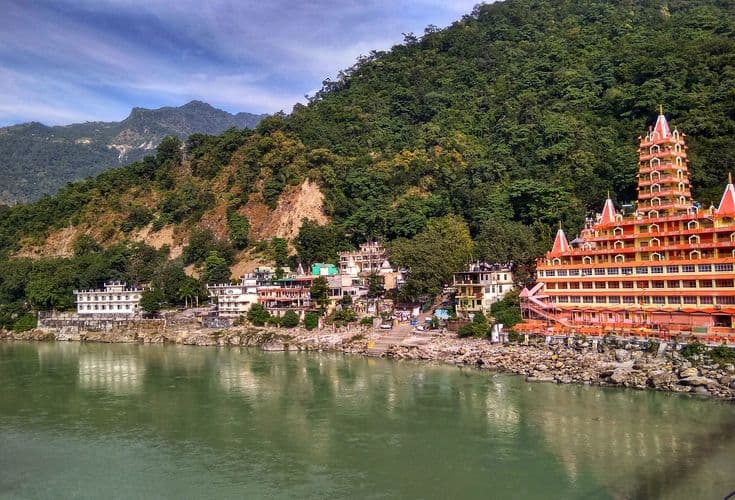
Stand on the Ram Jhula footbridge at first light. Two yellow rafts slide past the granite spur at Shivpuri. On the far bank a sadhu in saffron wraps up his pranayama. Saints and adrenaline share one frame here, and that single view tells you most of what Rishikesh is about.
From forest hermitage to global yoga hub
This stretch of the Ganga has hosted meditators since at least the 8th century, when Adi Shankaracharya set up a monastery on the right bank. Global fame, though, arrived in February 1968. That is when The Beatles landed at the ashram of Maharishi Mahesh Yogi in Chaurasi Kutiya. John, Paul, George and Ringo spent weeks meditating, wrote 48 songs (many of which ended up on the White Album), and accidentally invented the modern wellness retreat. After the Maharishi left, the ashram fell into ruin. In 2015 it reopened as the Beatles Ashram (officially Rajaji Tiger Reserve Chaurasi Kutiya), the meditation cells now plastered in street art and lyrics.
Today, Tapovan and Laxman Jhula host over 200 registered yoga schools. The International Yoga Festival, held every March, draws 1,500 practitioners from 100 countries. A 200-hour teacher-training certification from a Rishikesh school is the global gold standard — and at ₹30,000–₹90,000 ($360–$1,080) for a month, it costs a fraction of the Bali or Costa Rica equivalent.
Rafting the Ganga: Grade III–IV rapids
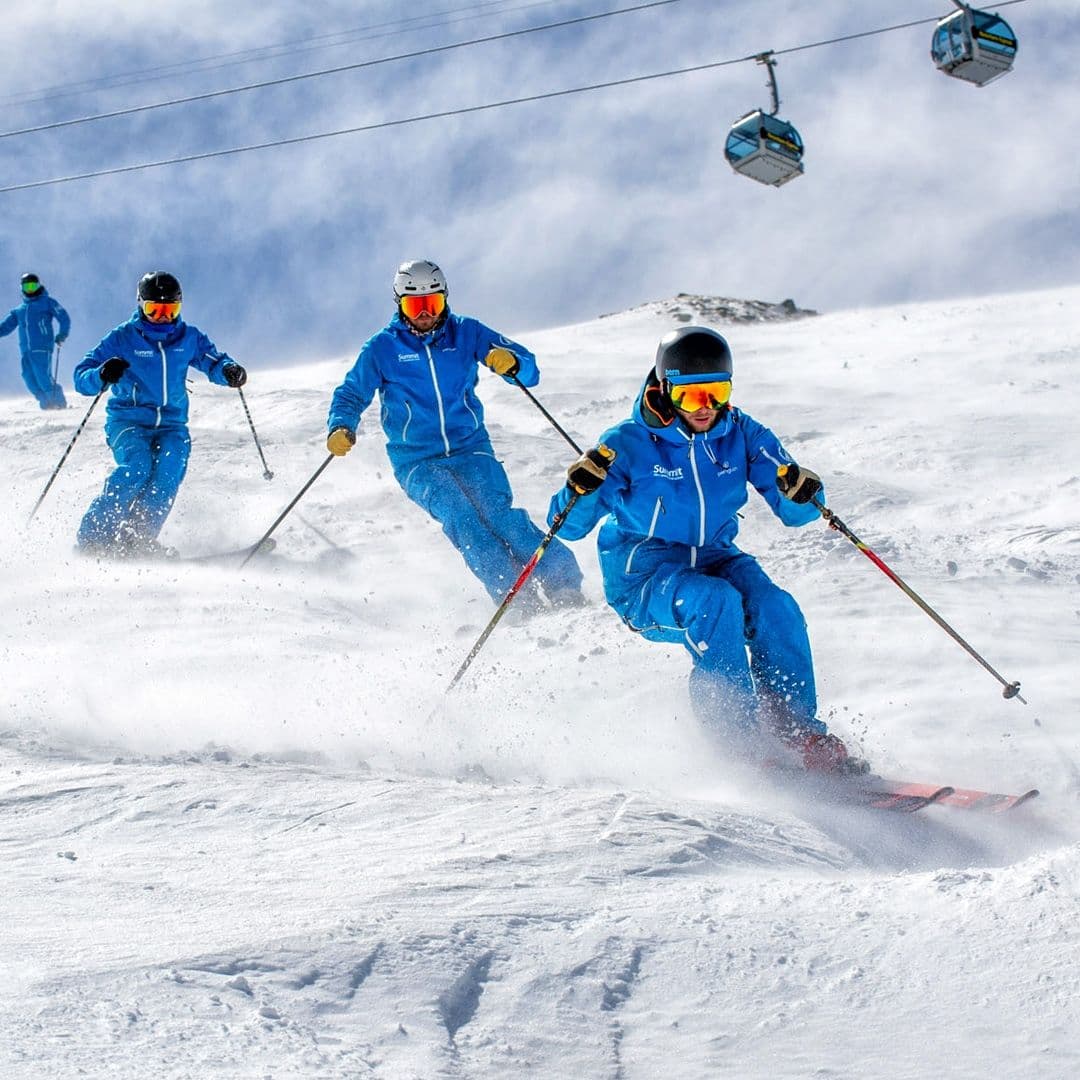
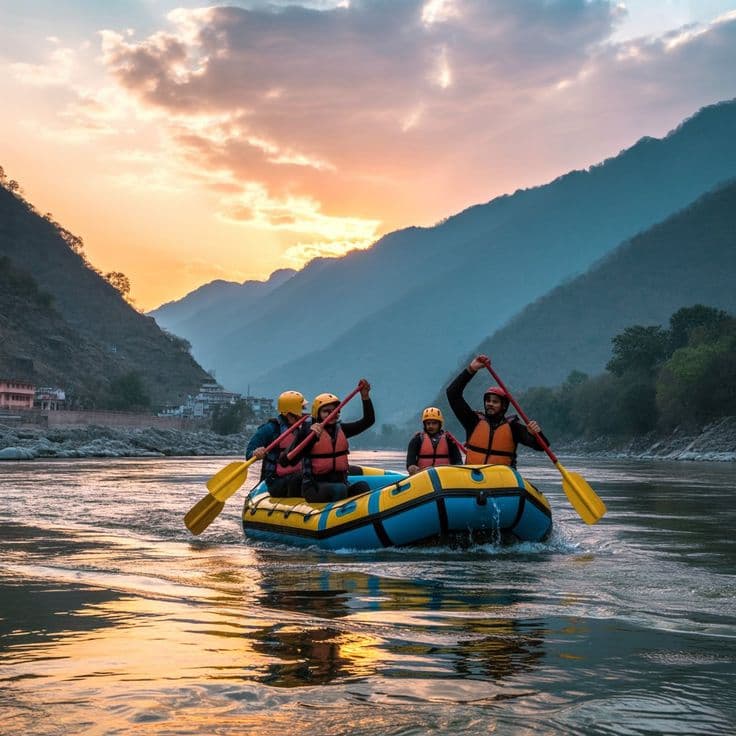
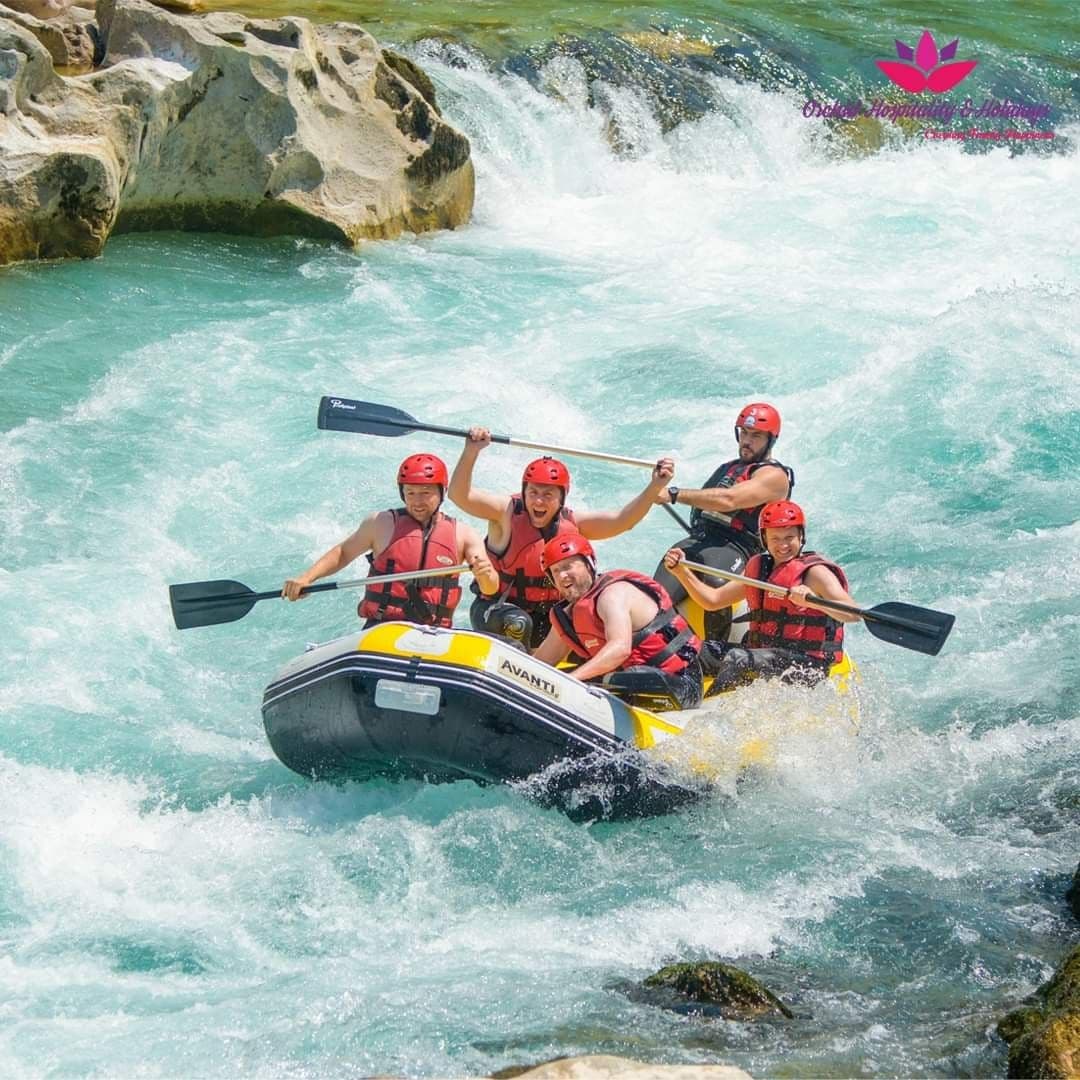
Between September and May, the 16 km stretch from Shivpuri to Rishikesh offers some of the best commercial white-water rafting in India — Grade III rapids with names like Roller Coaster, Golf Course and The Wall. Half-day trips cost ₹700–₹1,500. For adrenaline chasers, India’s highest bungee jump (83 m, operated by Jumpin Heights near Mohan Chatti) is 16 km upriver. The Giant Swing and Flying Fox round out the menu.
Ganga Aarti at Triveni Ghat and Parmarth Niketan
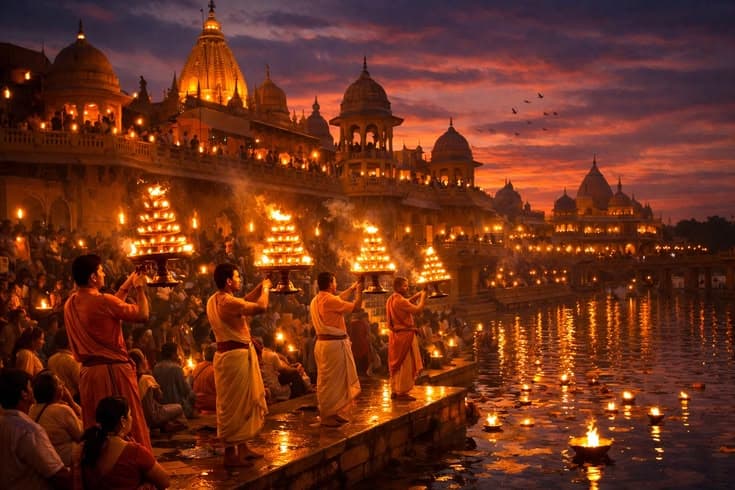
Every evening at sunset, the Triveni Ghat and Parmarth Niketan ashram hold Ganga Aarti — a ceremony of fire, chanting and floating flower lamps that rivals (some say surpasses) the famous aarti at Varanasi. The difference is scale: Rishikesh’s aarti is intimate, with 200–500 people seated on the ghats rather than 10,000.
Where Rishikesh leads next
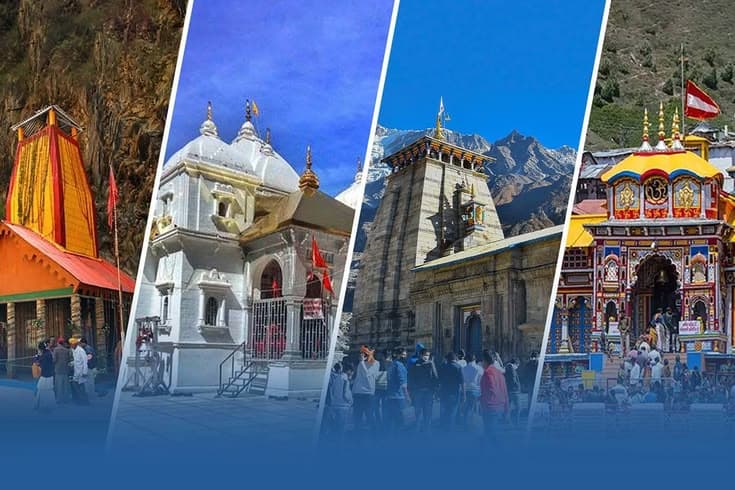
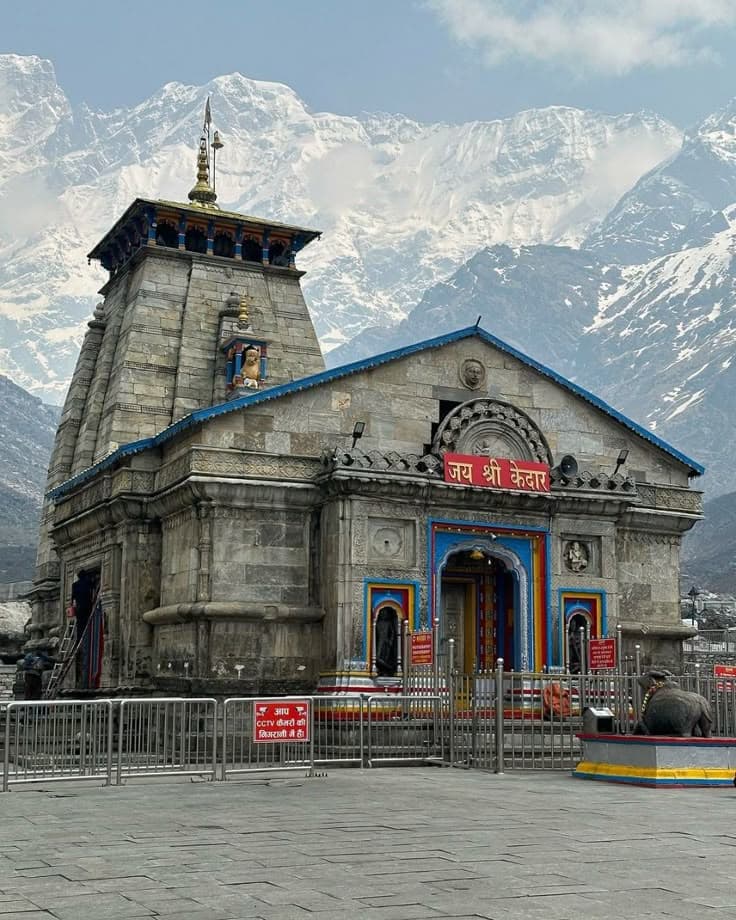
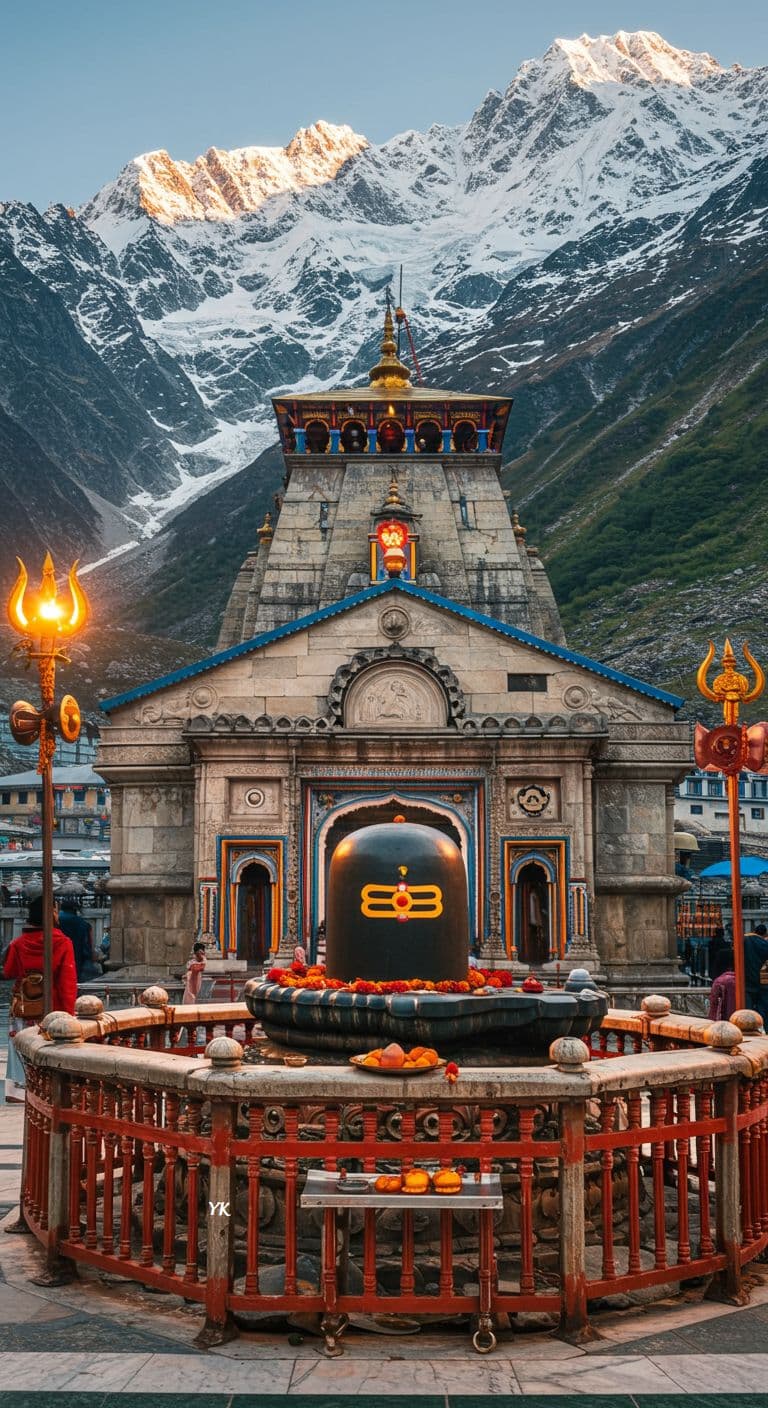
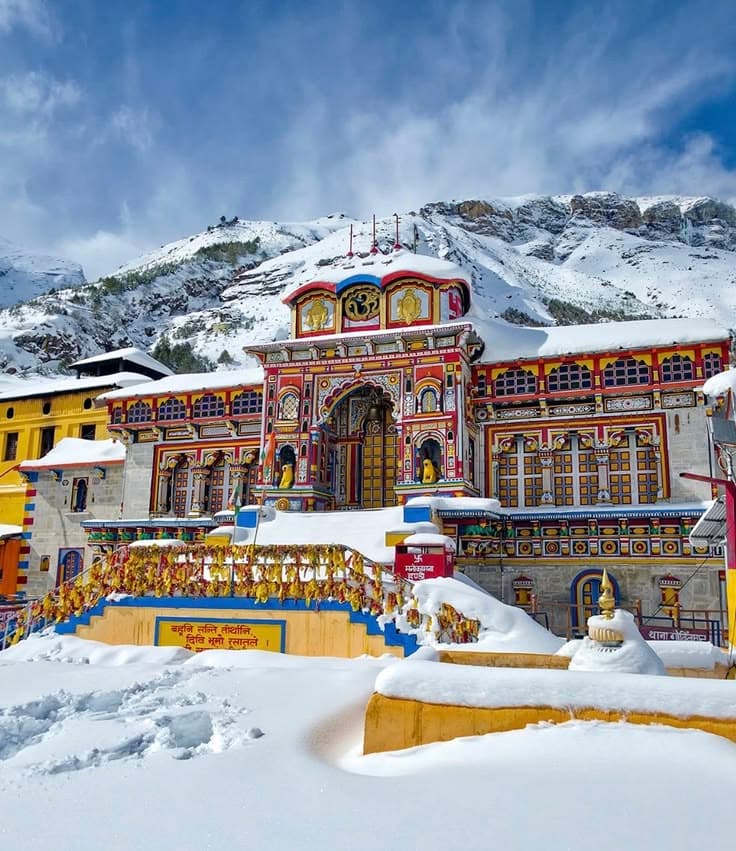
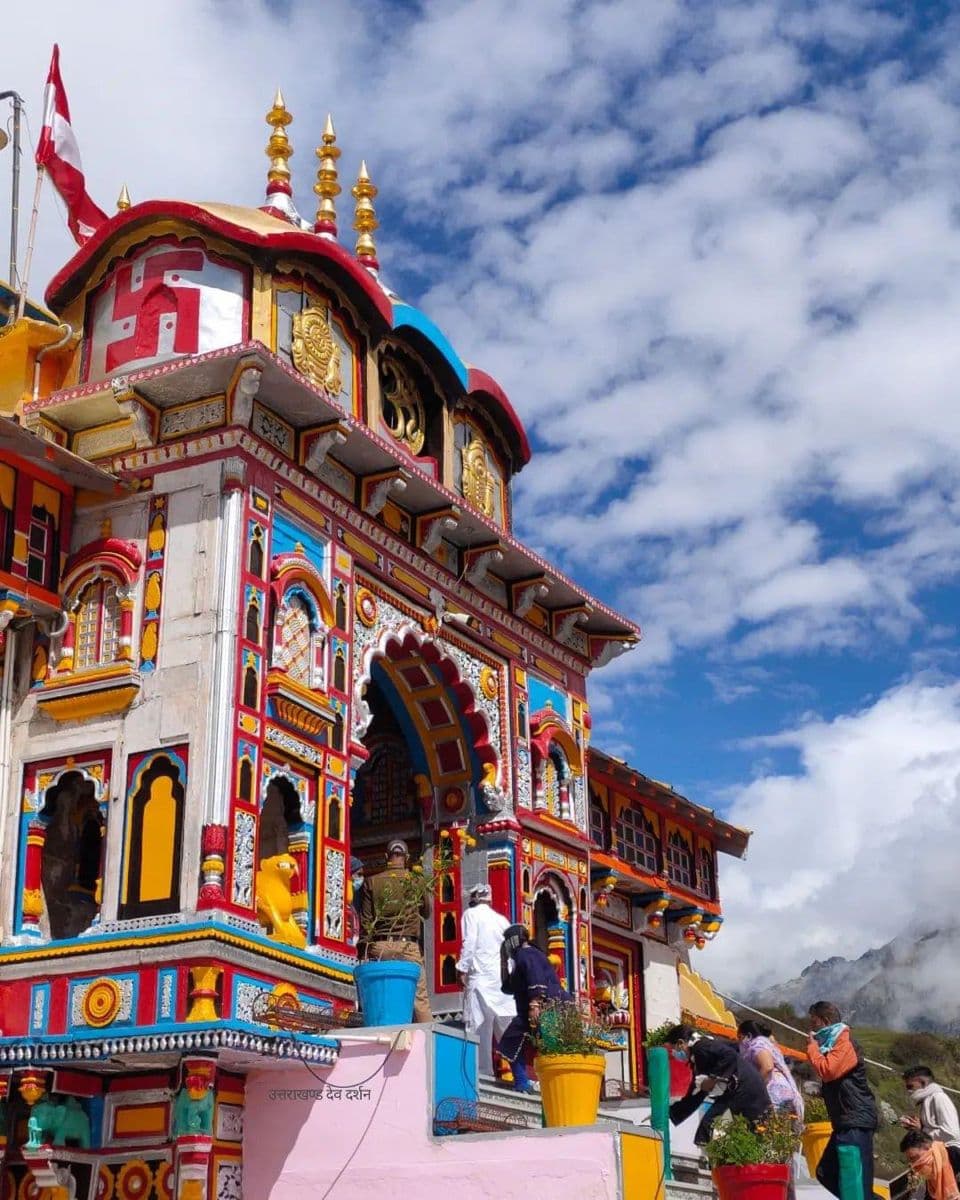
Rishikesh is the gateway to the Char Dham — the four sacred Himalayan shrines of Yamunotri, Gangotri, Kedarnath and Badrinath. Jim Corbett National Park is 5 hours east. Shimla is 8 hours via Dehradun. And for the devotional counterpoint, Varanasi is an overnight train away. See more Wildlife and Himalayan connections to plan your yatra.
“In Rishikesh, the river does the talking. You just learn to listen.”

About the author
Devansh MehtaFood · City
Mumbai-based food and cities writer who treats every neighbourhood as an eating route, mapping Indian metros one street stall at a time.
More from Devansh MehtaFrequently asked questions
- Is Rishikesh safe for solo travellers?
- Very safe. The town is dry (alcohol is banned), vegetarian and heavily policed. Solo female travellers are common, especially in the yoga-school belt of Tapovan and Laxman Jhula. Standard precautions apply after dark.
- When is the best time for rafting in Rishikesh?
- September to November (post-monsoon, highest water levels, strongest rapids) and February to May (pleasant weather, moderate rapids). Rafting is closed during the monsoon (July–August) when the Ganga is dangerously high.
- How much does a yoga course cost in Rishikesh?
- A 200-hour yoga teacher training (1 month) costs ₹30,000–₹90,000 ($360–$1,080) including accommodation and meals. Drop-in classes run ₹200–₹500 per session. Multi-day retreats range from ₹5,000 to ₹25,000 depending on the ashram.
Discover India
Planning a trip to India?
Most of our editors live and travel across India. Here are some of the destinations and stories worth bookmarking before you go.