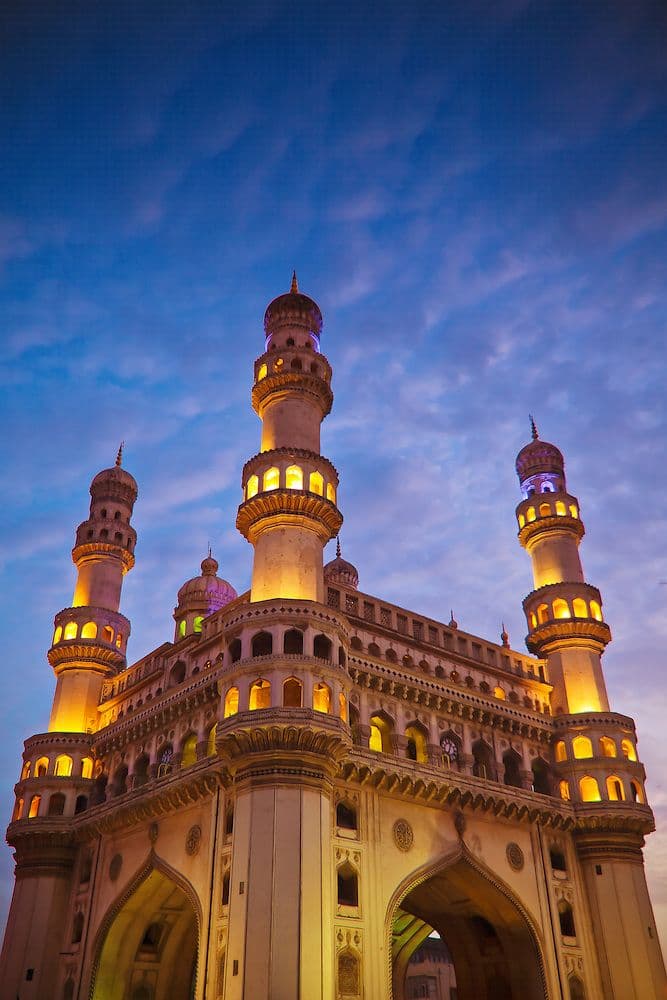
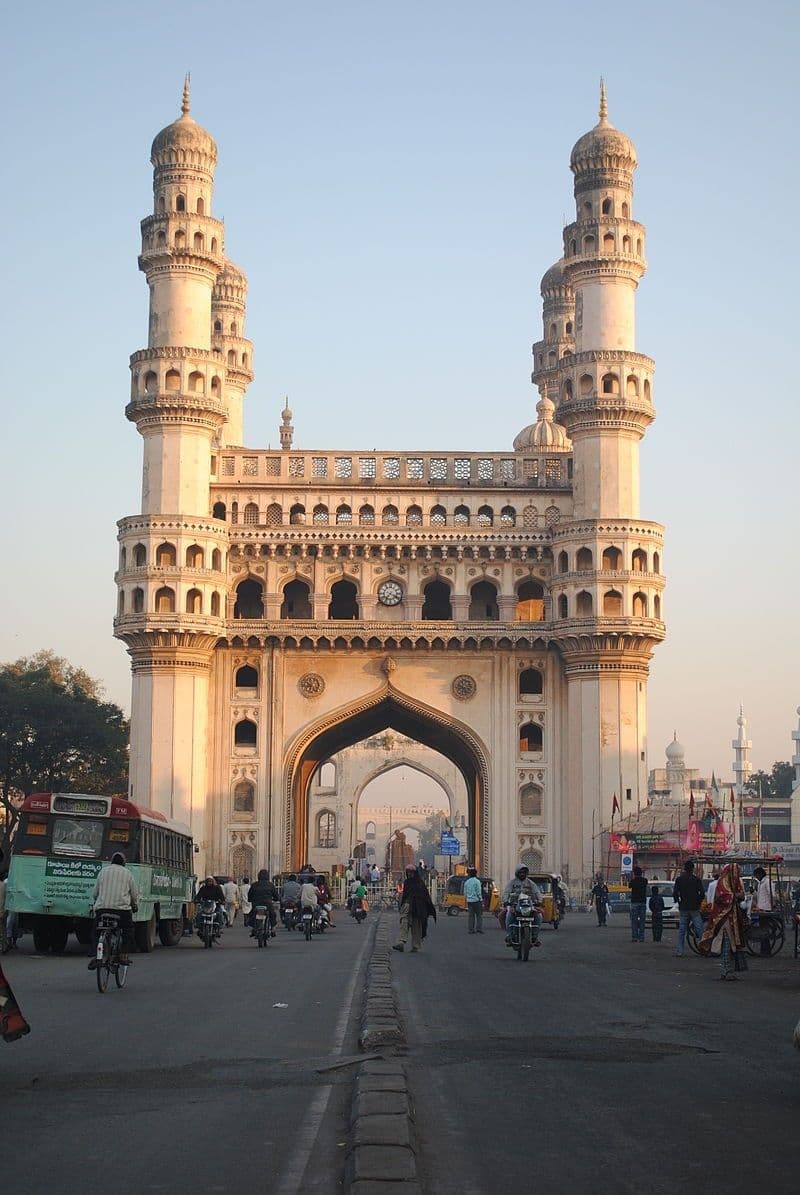
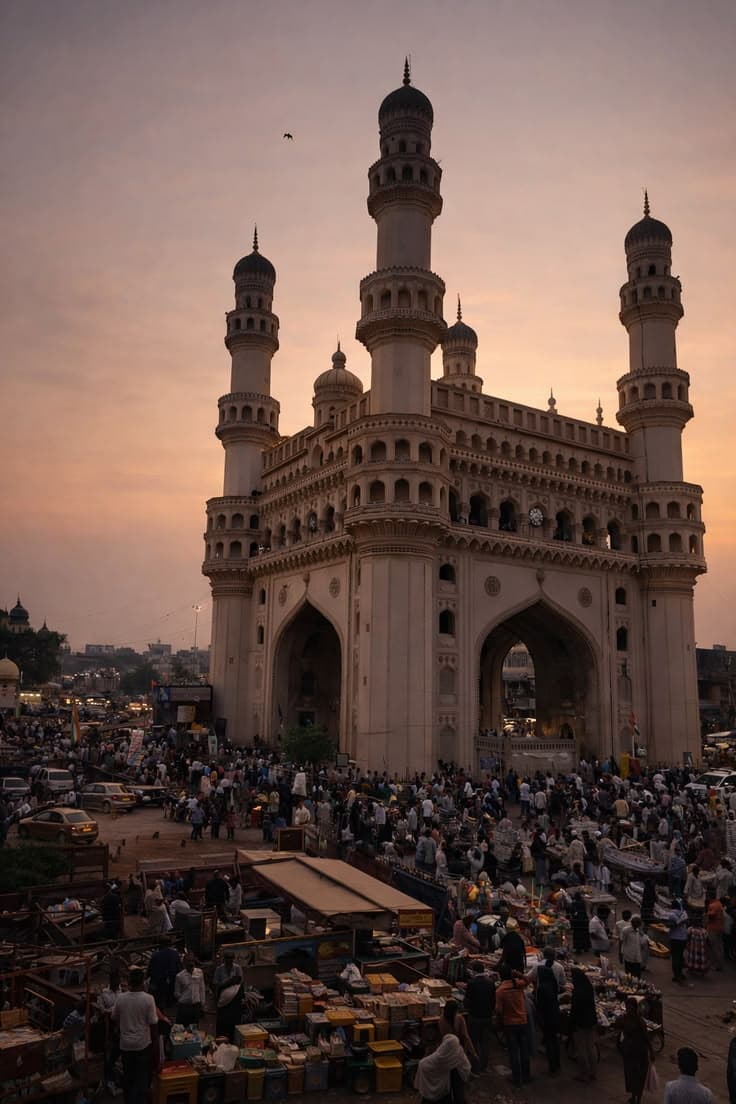
The year was 1591. Muhammad Quli Qutb Shah — 26 years old, fifth sultan of the Qutb Shahi line — had just shifted his court out of the medieval fort of Golconda. On the bank of the Musi he laid out a fresh grid he called Bhagyanagar, 'the city of fortune', named for his Hindu wife Bhagmati. At its dead centre he set a single gate. Four arches. Four minarets. 20 metres across and 56 metres tall. The name was simple — Charminar, or 'four minarets'. Renamed Hyderabad, the city now holds 10 million people. That gate is still the bullseye.
Built to thank a god for ending a plague
Chronicles disagree on why Charminar was built. The most persistent story: a plague was decimating the city's population, and the young sultan vowed that if the outbreak ended, he would build a monument at that exact spot. Other historians argue it was conceived as the architectural centrepiece of a grand urban plan — the intersection of two ceremonial roads aligned to Mecca and Golconda. Whichever is true, the monument became the city's symbol. Every subsequent dynasty — the Mughals, the Nizams, and finally the Indian state — kept it intact.
The Qutb Shahis ruled for 171 years (1518–1687), growing rich on the diamond trade — the Golconda diamond mines 11 km away produced the Koh-i-Noor, the Regent, the Hope and the Daria-i-Noor, among others. When Aurangzeb's Mughal army finally besieged Golconda in 1687 — it took him seven months to breach the walls — Hyderabad's Qutb Shahi era ended and the Nizams began. The seven Nizams of Hyderabad ruled for another 230 years, the richest princely state in British India. When the last Nizam, Osman Ali Khan, died in 1967, he was still reputed to be the richest private individual on earth.
The Old City: two hours of Hyderabadi essentials
- Climb Charminar — 149 spiral steps, open 9:30 am–5:30 pm, ₹25 for Indians.
- Mecca Masjid (100 m west) — 1694, bricks from Mecca in its central arch, can hold 10,000 worshippers.
- Laad Bazaar — 500-year-old market for Hyderabadi bangles, pearls and attar perfumes. Bargain hard.
- Chowmahalla Palace (15 minute walk) — the Nizam's official residence, now a museum; Rolls-Royces and 1896 clock.
- Shadab or Shah Ghouse Hotel for Hyderabadi biryani — the dum-cooked 'kachchi' style was perfected here.
The Deccan heritage circuit
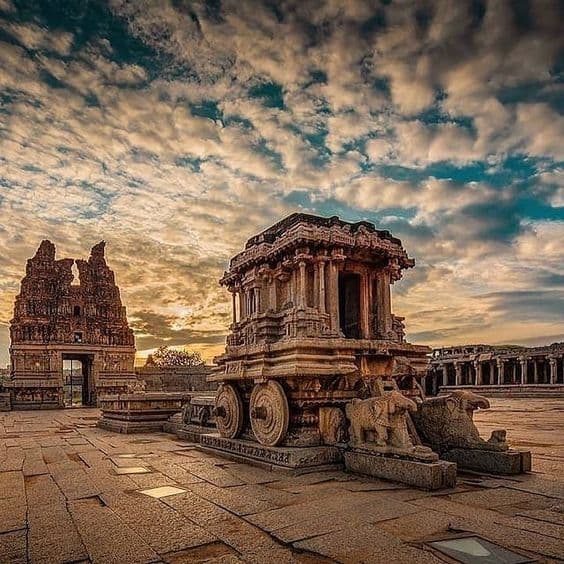
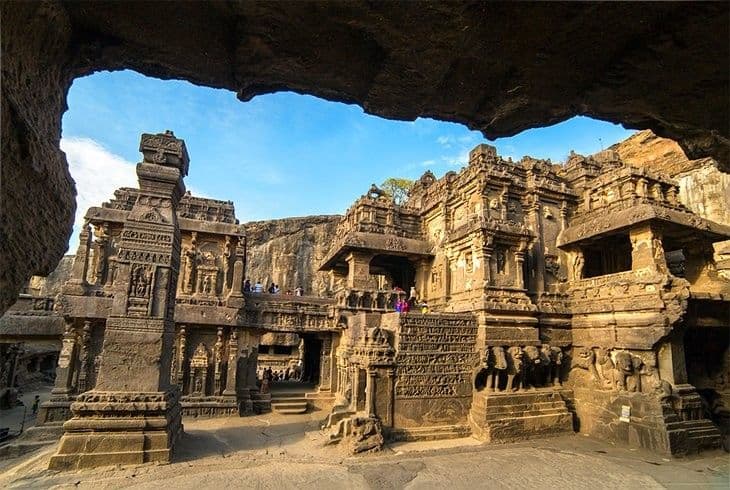
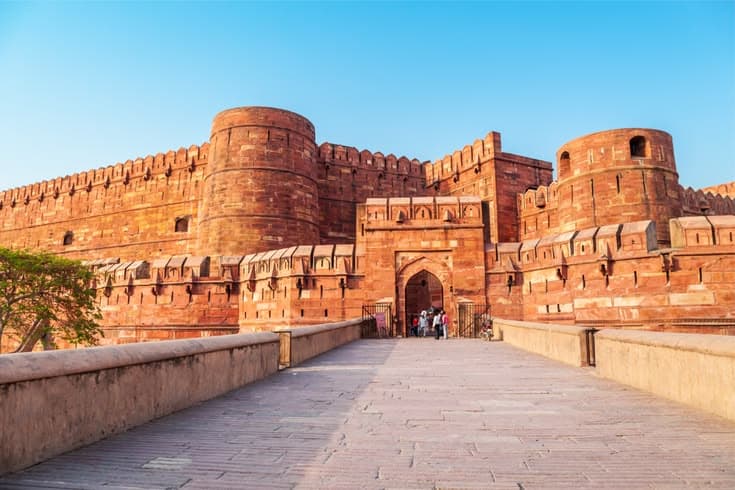
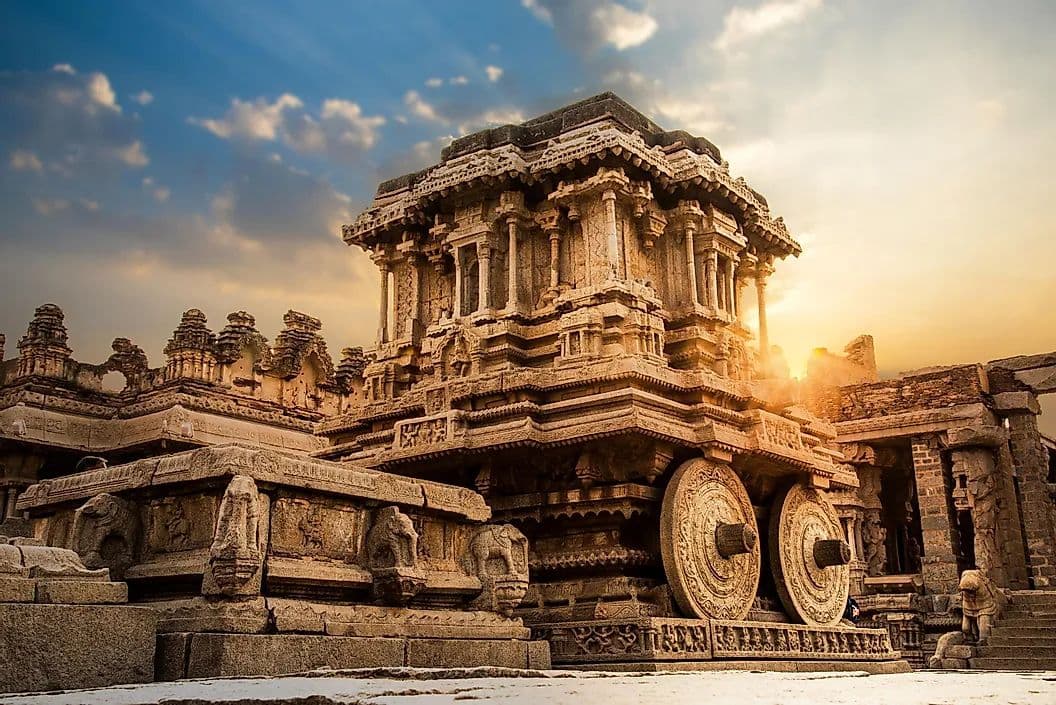
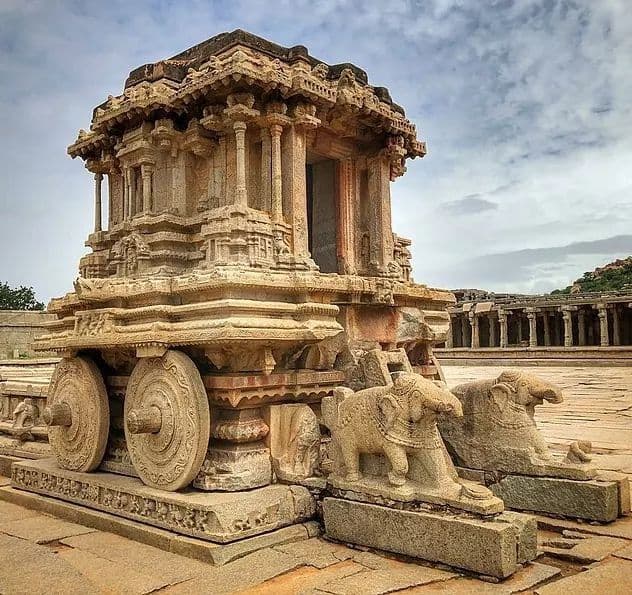
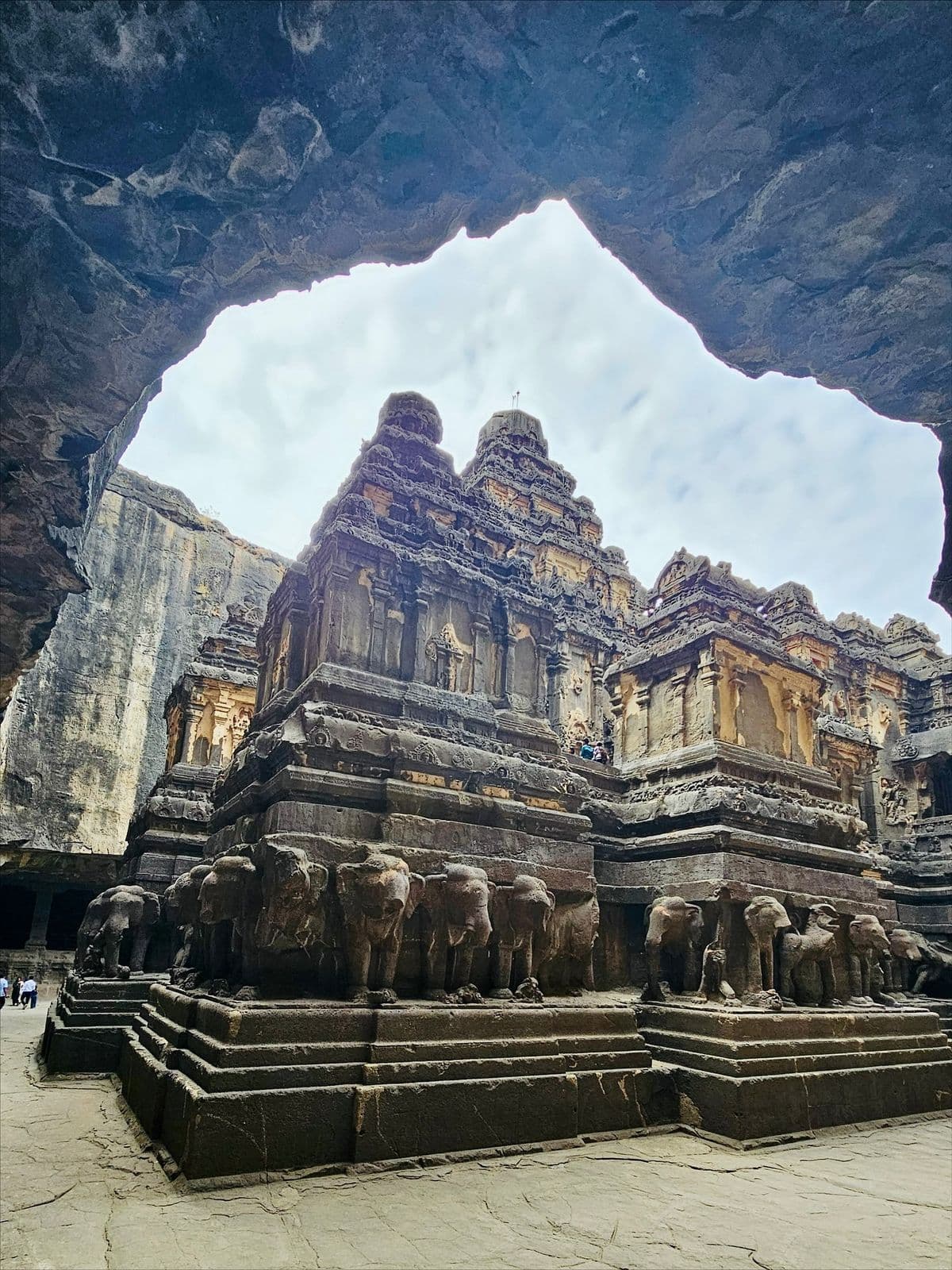
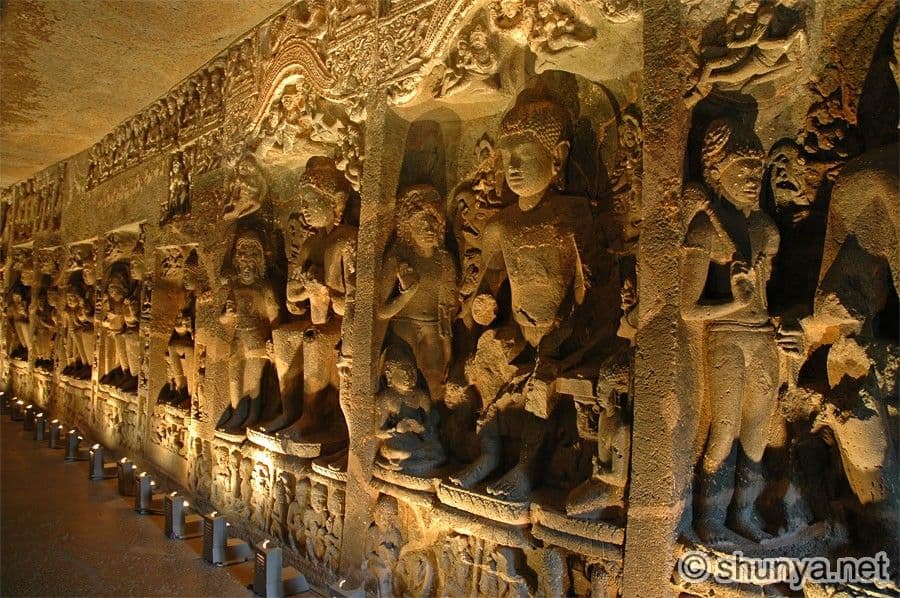
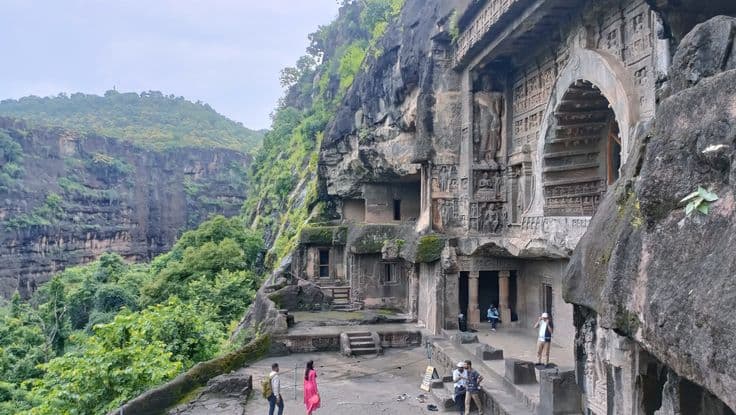
Hyderabad is the anchor of a grand Deccan Plateau heritage route. North-west lies the Hindu ruin of Hampi — the Vijayanagara empire that was the Qutb Shahis' rival. Further north-west are the Buddhist and Hindu rock-cut temples of Ajanta and Ellora. For the Mughal chapter that followed, head to Agra Fort. See all Telangana destinations or browse Heritage sites.
“Hyderabad is where the Deccan remembers that it was once richer than Europe.”

About the author
Priya ThomasBeach · Family
Kochi-based writer mapping family-friendly beaches, backwater stays and slow South Indian itineraries for parents who refuse to stop travelling.
More from Priya ThomasFrequently asked questions
- How much time do I need at Charminar?
- Two hours for Charminar and Laad Bazaar. Add Mecca Masjid (free, next door) and Chowmahalla Palace (15 minutes away). For Golconda Fort and Qutb Shahi Tombs, add a second half-day.
- Where do I eat the real Hyderabadi biryani?
- Shadab (near Charminar) and Shah Ghouse (Lakdikapul) are the old-school favourites. Paradise is a chain but reliable. Bawarchi (RTC X Roads) is popular with locals. Avoid hotel biryani — it's always milder.
- Is Hyderabad safe at night?
- Yes, especially the Old City and HITEC City/Gachibowli. Charminar is well-lit and busy until 10 pm; the post-Ramadan night markets are safe and vibrant. Uber and Ola are widely used.
Discover India
Planning a trip to India?
Most of our editors live and travel across India. Here are some of the destinations and stories worth bookmarking before you go.