
A fortress older than the tigers: Ranthambore’s 1,000-year story
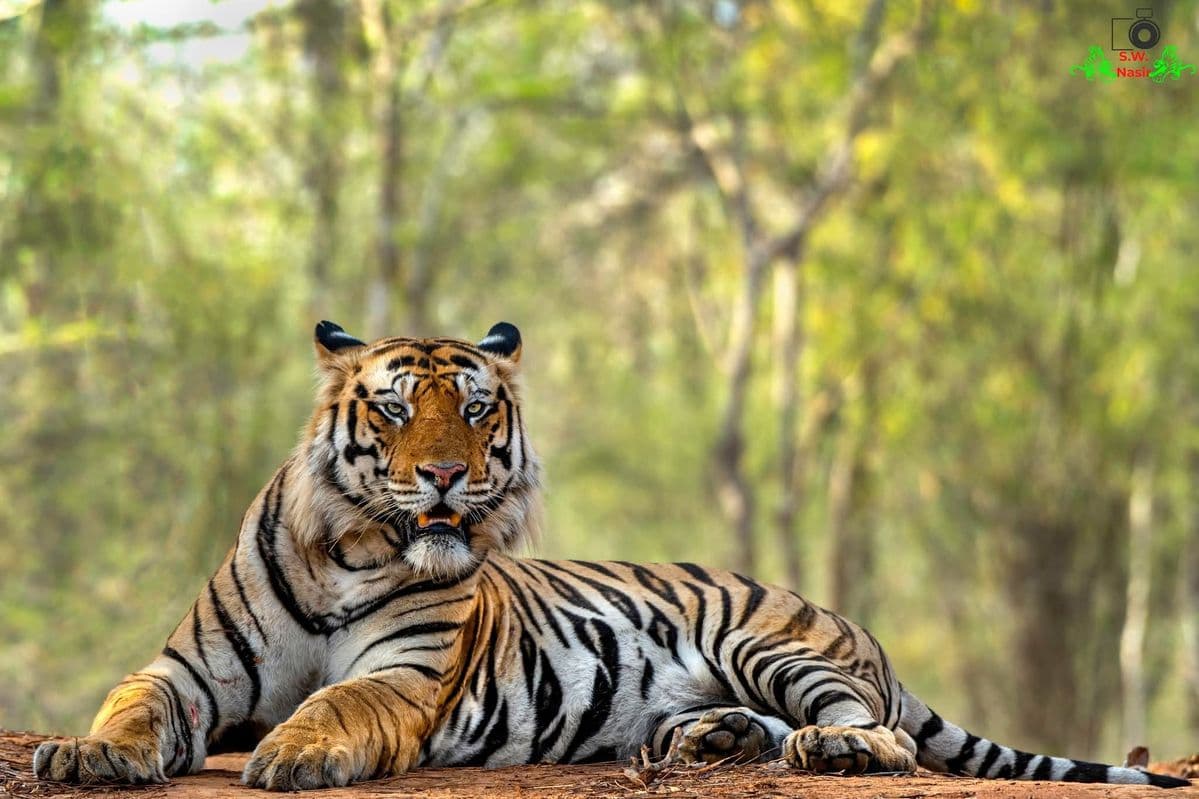
Ranthambore Fort went up in 944 CE under the Chahamana dynasty. Armies never broke it open. The fort changed hands only through betrayal: Prithviraj III stared down Muhammad of Ghor; Alauddin Khalji finally wore it down in 1301 with a blockade that ended in jauhar, the mass self-immolation of Rajput women. Mughal emperors arrived next, but as hunters rather than conquerors. Akbar shot tigers in these same ravines. The crumbling chhatris of long-dead Rajput nobles still hold their ground between the lake and the fort walls. When Project Tiger gazetted the reserve in 1973, this became the only medieval citadel anywhere where big cats actually sleep on the ramparts.
Machli: the queen of Ranthambore
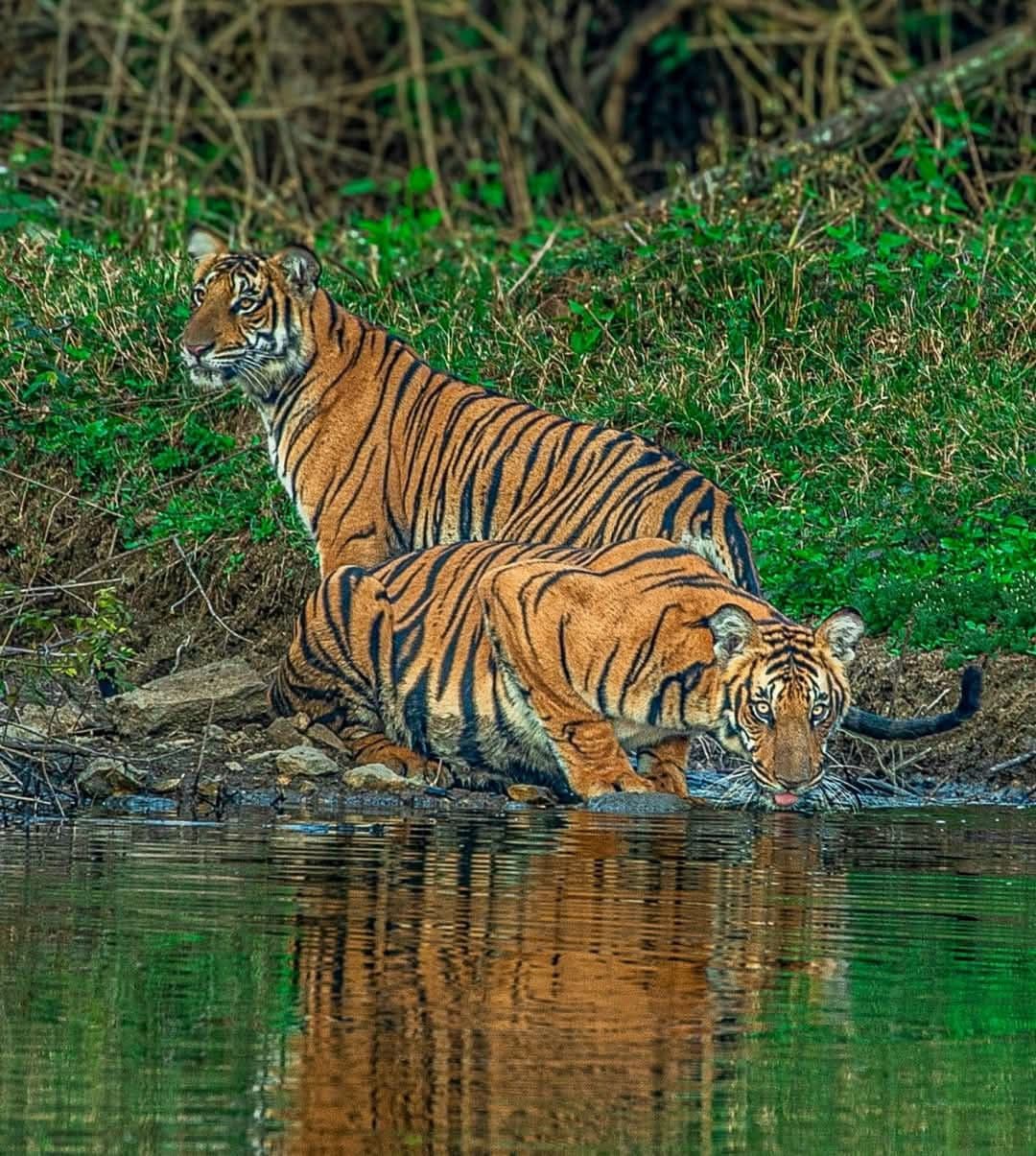
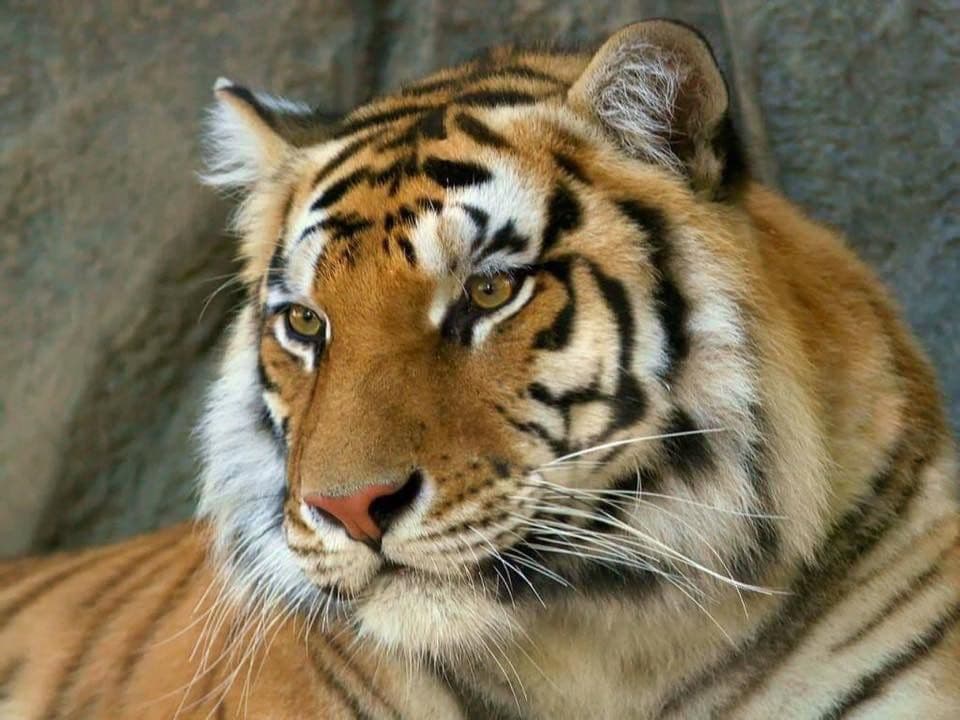
Tigress T-16 Machli (1997–2016) was the most photographed wild tiger in history. She once killed a 14-foot crocodile in a fight witnessed by a busload of tourists. She raised 11 cubs — four litters — and her descendants now account for roughly half the tiger population of Ranthambore. National Geographic, BBC and Discovery all filmed her. When she died at 19 (ancient for a wild tiger), the forest department gave her a state funeral with Vedic rites. Her legacy is the reason Ranthambore’s tiger-sighting odds — roughly 40–60% per safari — are the highest in India.
How a safari works
- The park is divided into 10 zones. Zones 1–5 are the "premium" zones with the best tiger density; zones 6–10 are buffer zones with more birdlife and leopard sightings.
- Safaris run twice daily: morning (6:00–10:00 AM, Oct–Mar) and afternoon (2:30–6:00 PM). Book on the official rajasthanwildlife.in portal 90 days in advance — premium zones sell out fast.
- Choose a Canter (20-seat open bus, ₹800) for budget or a Gypsy (6-seat jeep, ₹2,500) for a quieter, closer experience.
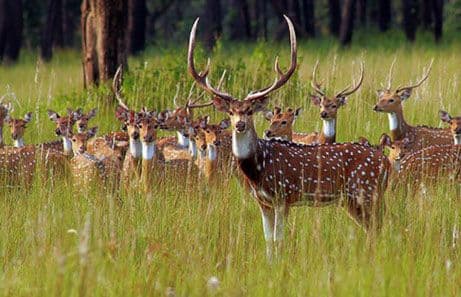
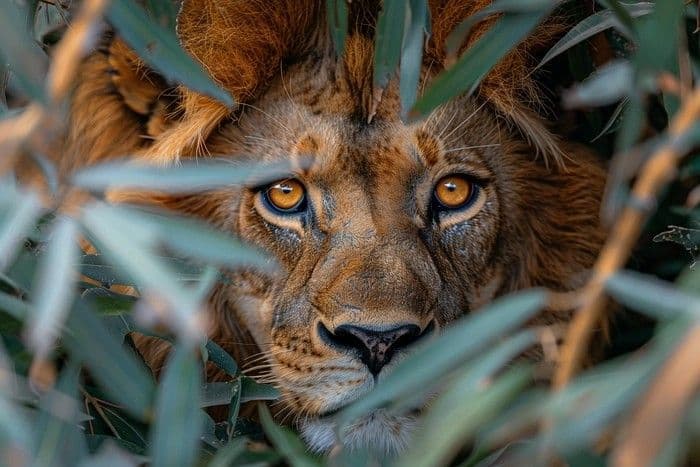
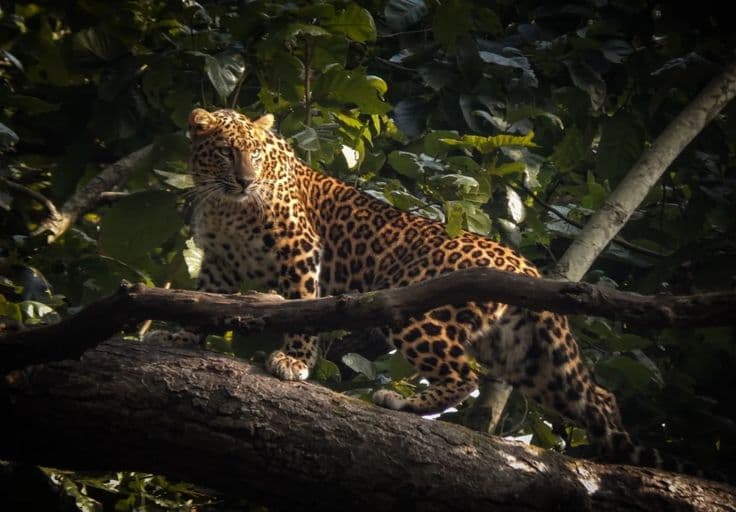
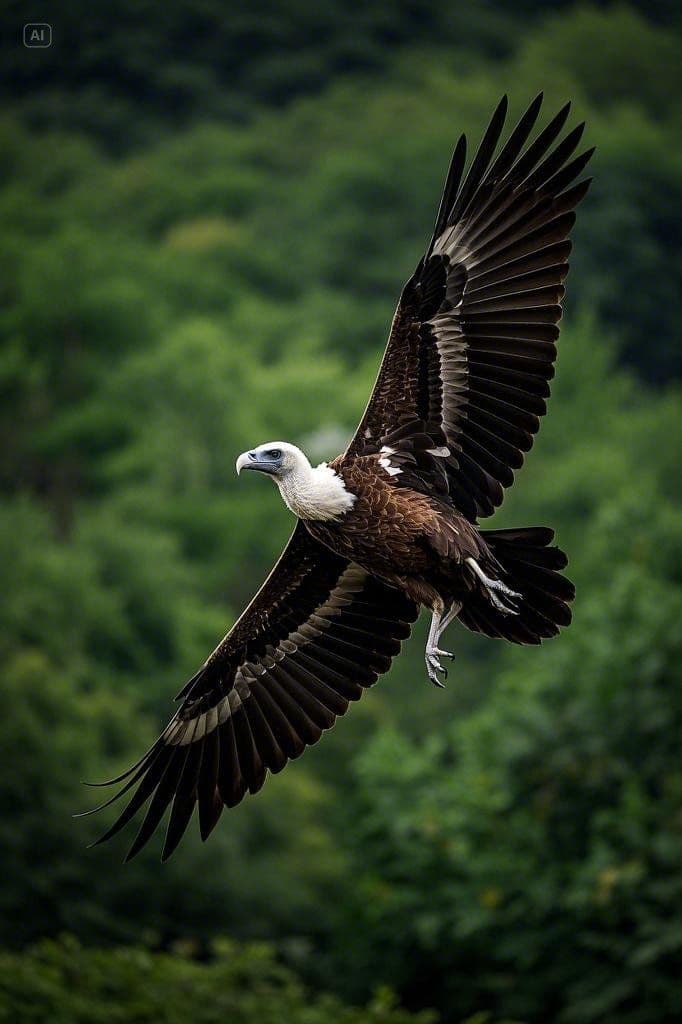
- Besides tigers, look for leopards, sloth bears, sambar deer, marsh crocodiles and over 270 bird species including Indian Grey Hornbill and Bonelli’s Eagle.
India’s tiger trail
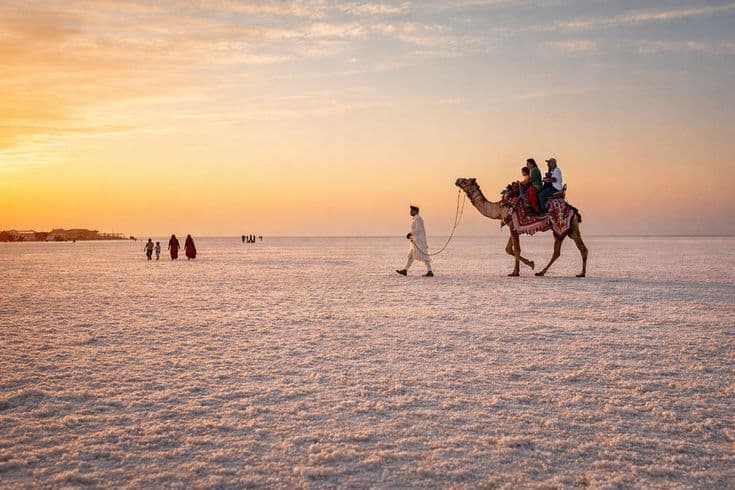
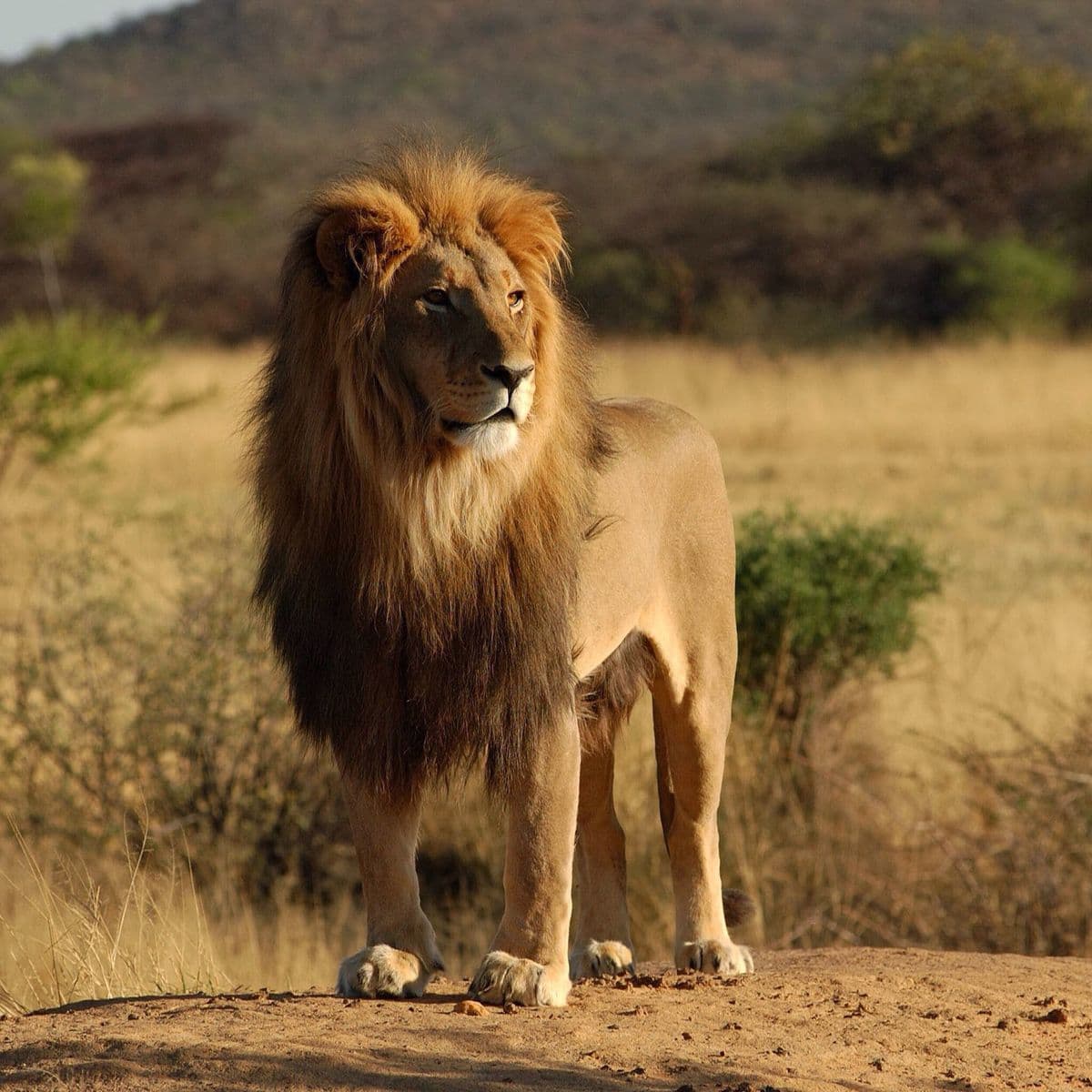
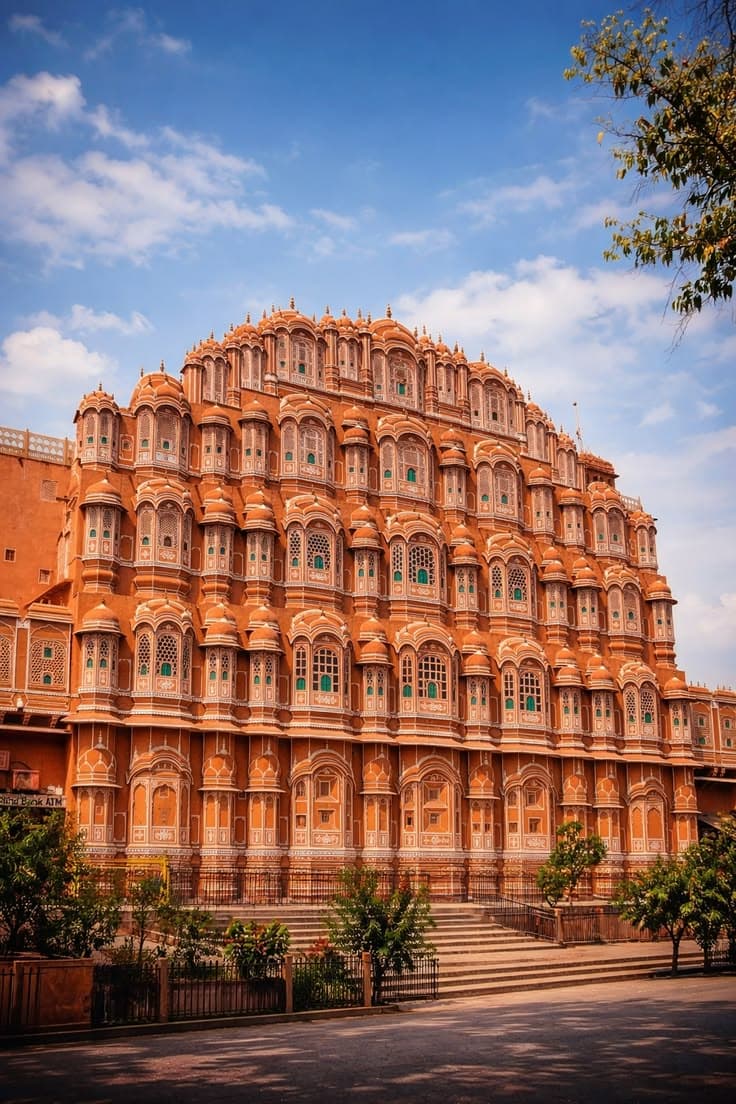
Ranthambore is one leg of India’s great tiger circuit. Jim Corbett in Uttarakhand is the oldest national park. Kaziranga in Assam combines tigers with one-horned rhinos. Gir in Gujarat is the last home of the Asiatic lion. Thread Ranthambore with the palaces of Jaipur (3 hours) and the textile villages of Kutch for a Rajasthan-Gujarat wildlife-and-culture arc. See all Wildlife destinations.
“In Ranthambore, the fort belongs to the tigers. We are the guests.”

About the author
Arjun BanerjeePilgrimage · Heritage
Kolkata-based historian and travel writer who walks India's pilgrimage routes, reading temple towns as living archives of language, ritual and trade.
More from Arjun BanerjeeFrequently asked questions
- What are the chances of seeing a tiger in Ranthambore?
- Roughly 40–60% per individual safari in the premium zones (1–5). Over a 2-day trip (4 safaris), most visitors see at least one tiger. Winter mornings (November–February) offer the best odds as tigers come to the lakes to drink.
- When is Ranthambore open?
- October 1 to June 30. The park closes during the monsoon (July–September). Best months: November to February (cool, tigers active near water). March–May is hot but has the highest sighting rates as vegetation thins.
- How do I get to Ranthambore?
- The nearest station is Sawai Madhopur, connected by direct trains from Delhi (5 hours), Jaipur (2.5 hours) and Mumbai (12 hours). Most hotels arrange pickups from the station. The park gate is 10 km from town.
Discover India
Planning a trip to India?
Most of our editors live and travel across India. Here are some of the destinations and stories worth bookmarking before you go.