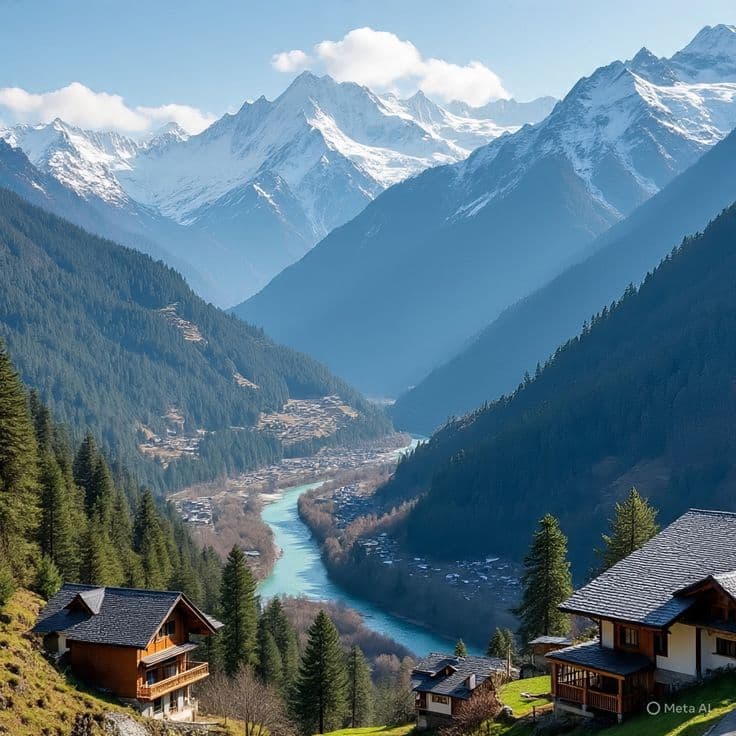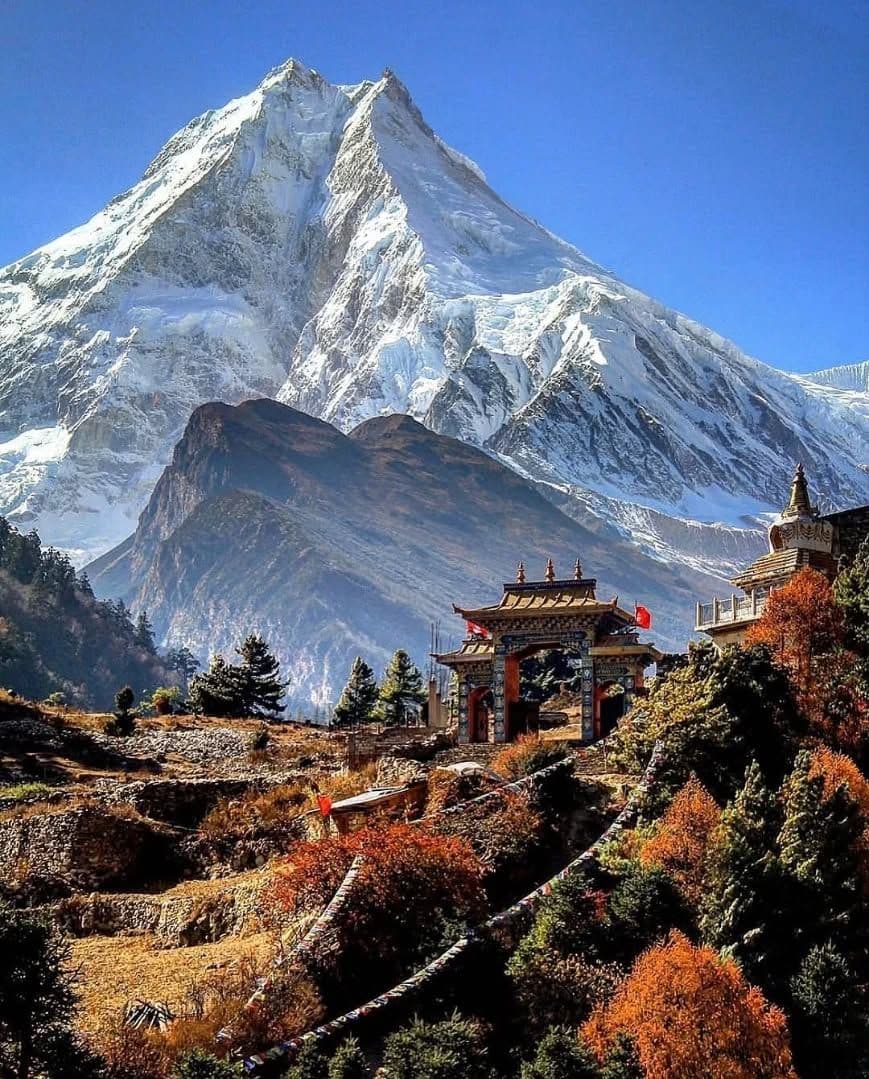
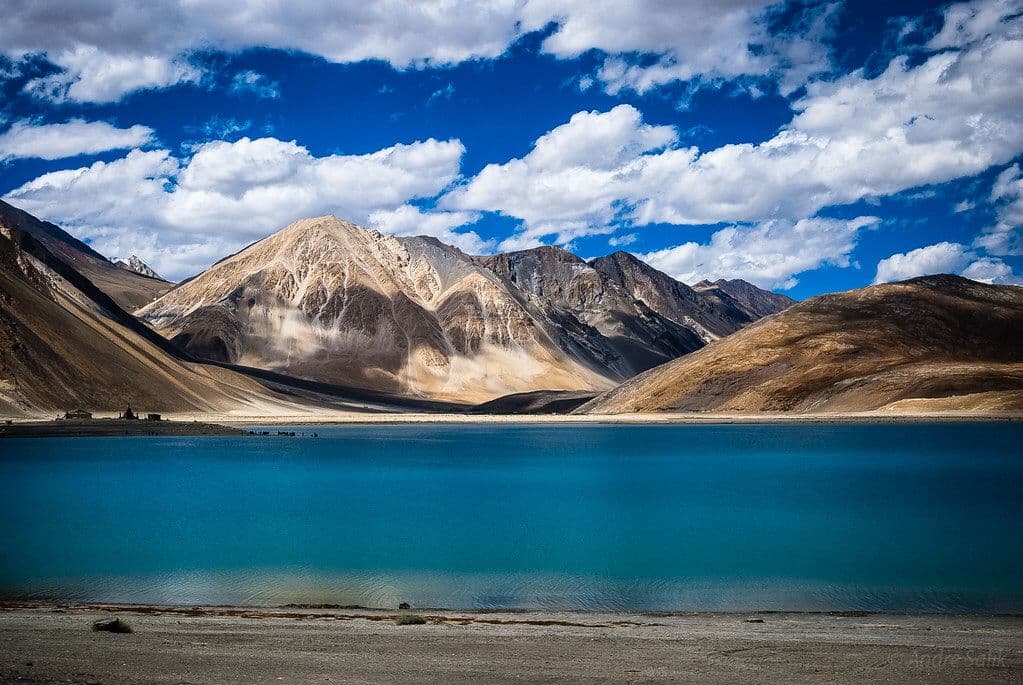
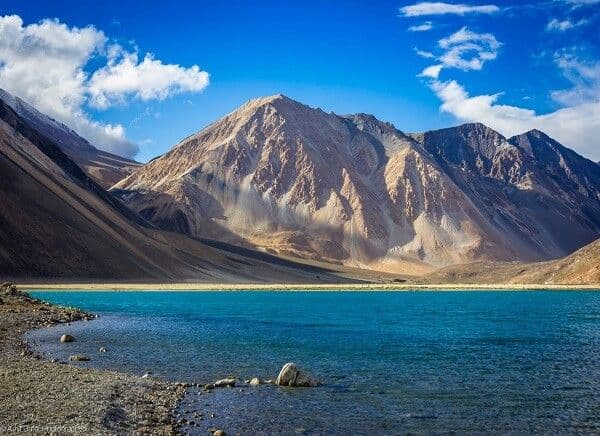
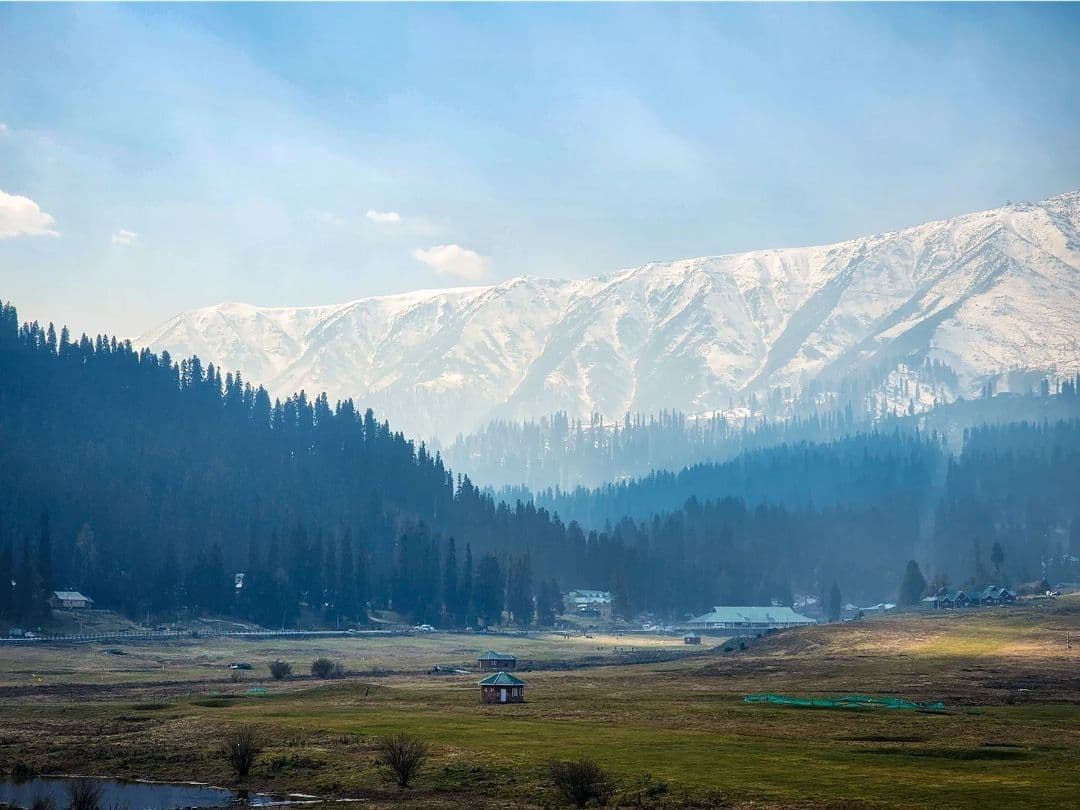


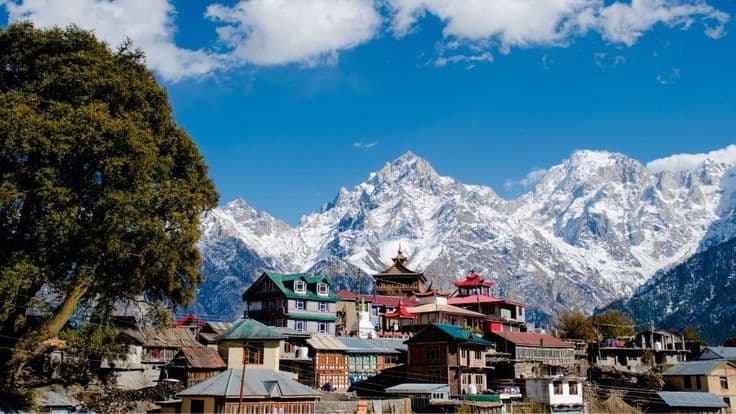

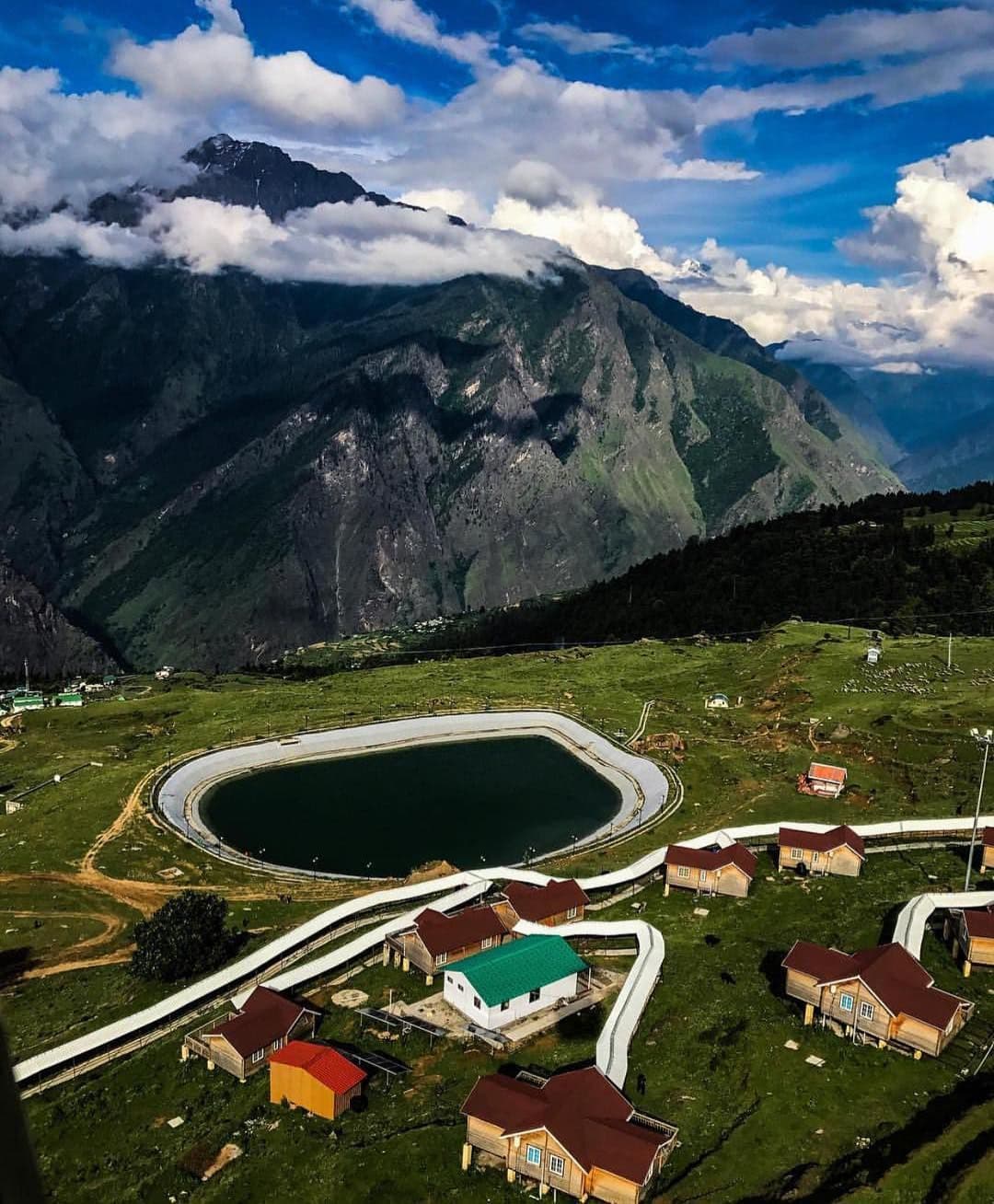


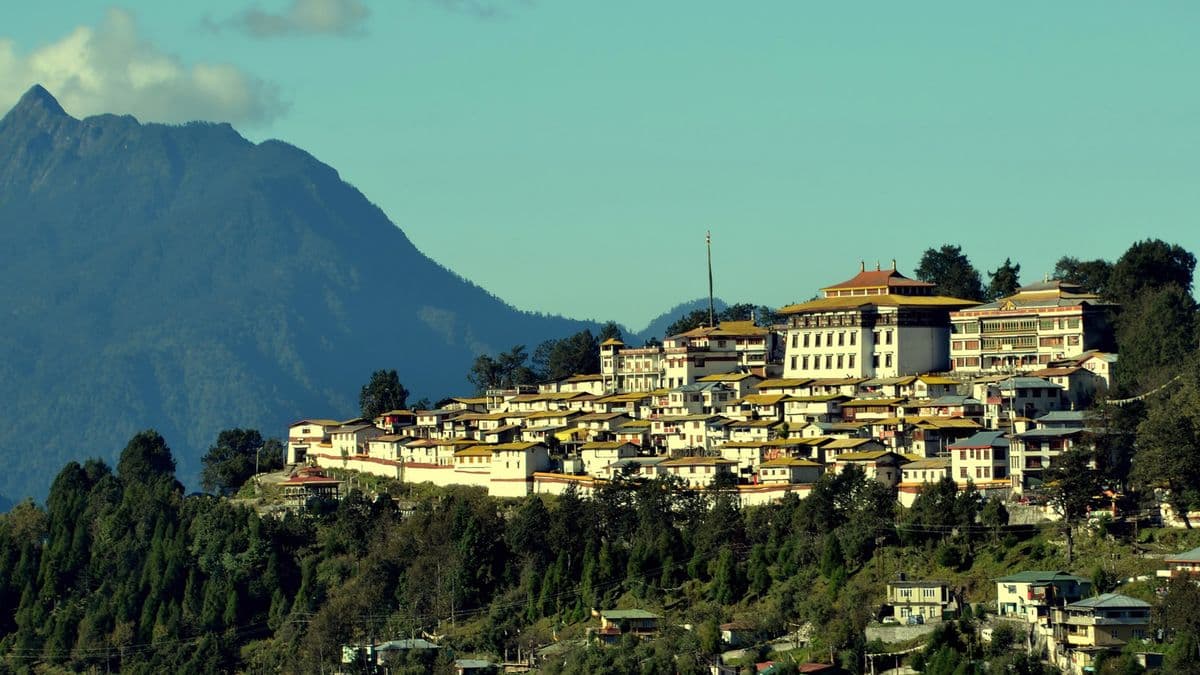
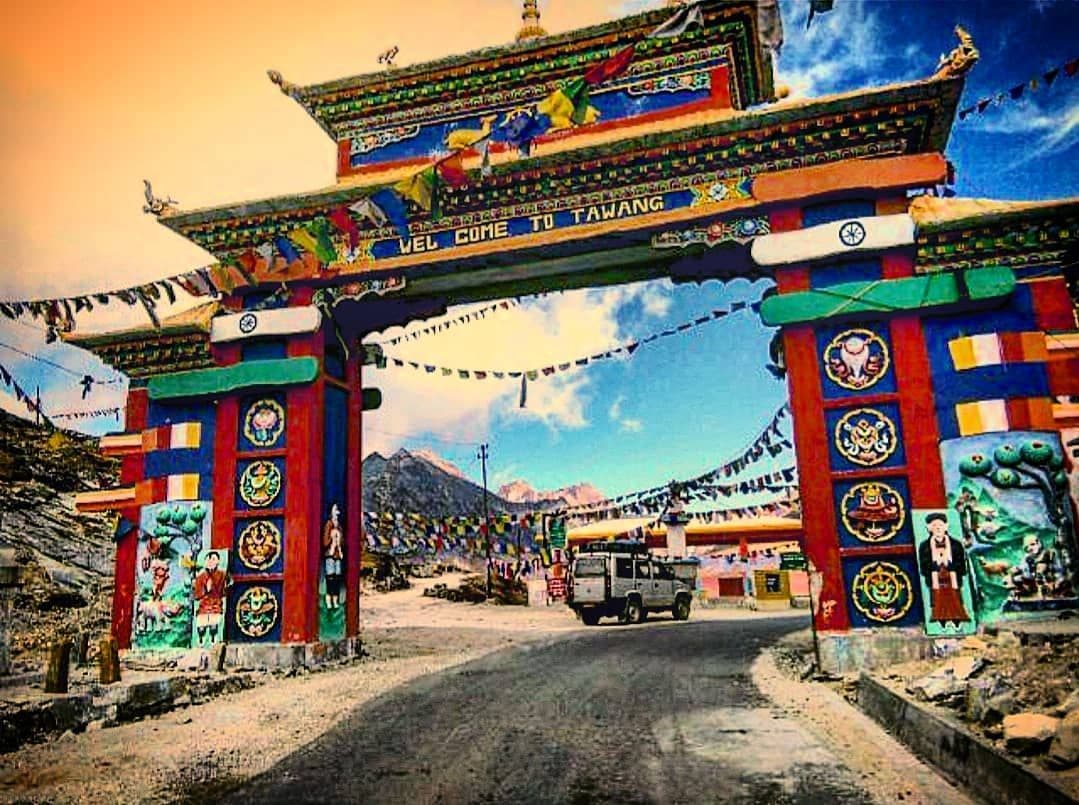
North of the Rohtang pass the air thins and the country changes its tone entirely. Tucked into the folds of the Greater Himalayas, whitewashed monasteries — gompas — grip the cliffs above villages that look ready to slide away. This is the northernmost ground of Tibetan Vajrayana Buddhism. A handful of these halls still hold paintings finished before Europe started the Renaissance.
The Silk Road’s last prayer halt: how Buddhism came to the clouds
No army from the plains ever took Ladakh. The faith arrived from the far side instead. In the 1st century CE the Kushan Empire carried Buddhism east along the Silk Road, and monks cut the first cave monasteries into the valleys between the Karakoram and the Zanskar ranges. The 8th century deepened it: the Tibetan king Trisong Detsen sent scholars to India, and they came home with the Vajrayana texts that underpin every gompa you walk into today. Later the Namgyal dynasty, founded in 1460, drew Ladakh together and raised the nine-storey Leh Palace, modelled on the Potala in Lhasa, as its seat of power.
A 17th-century Mughal-Tibetan war closed with a treaty: Ladakhi kings kept their faith in return for a token mosque in Leh, which still stands on Main Bazaar Road. The British, arriving in the 19th century, mapped the place but ruled it loosely — keeping Russia away from India mattered far more to them than converting mountain Buddhists. Then 1947 turned this into a front line. The 1962 Sino-Indian war played out in the frozen passes above Pangong Lake, and the Indian Army still holds the Line of Actual Control at 5,400 metres. In 2019 Ladakh became a Union Territory, its first administrative identity of its own since the Namgyal kings. The monasteries outlasted all of it. Alchi’s 11th-century murals are 400 years older than the Sistine Chapel; Hemis’s library keeps manuscripts older than any European university. Up here, time runs on prayer wheels, not parliaments.
Thiksey: the small Potala
Twenty kilometres east of Leh, Thiksey Gompa climbs twelve storeys in ochre and gold. Come at 6 a.m. Eighty monks file into the assembly hall, and the first blast of the conch will rattle you into silence. Inside stands a 15-metre statue of the Maitreya Buddha — the one yet to come — alongside a library of 4,000 palm-leaf and wood-block scriptures, some written in the vanishing Zhang-Zhung script.
Hemis, Alchi, Lamayuru
- Hemis (45 km from Leh): Ladakh’s richest monastery. In July, the Hemis Festival brings masked cham dances that have not changed in four centuries.
- Alchi (70 km from Leh): Tiny, flat, 11th-century — and home to arguably the oldest surviving Buddhist wall paintings in India.
- Lamayuru (120 km from Leh, on the Srinagar road): Built on "moonland" geology, it is the oldest continuously inhabited monastery in Ladakh.
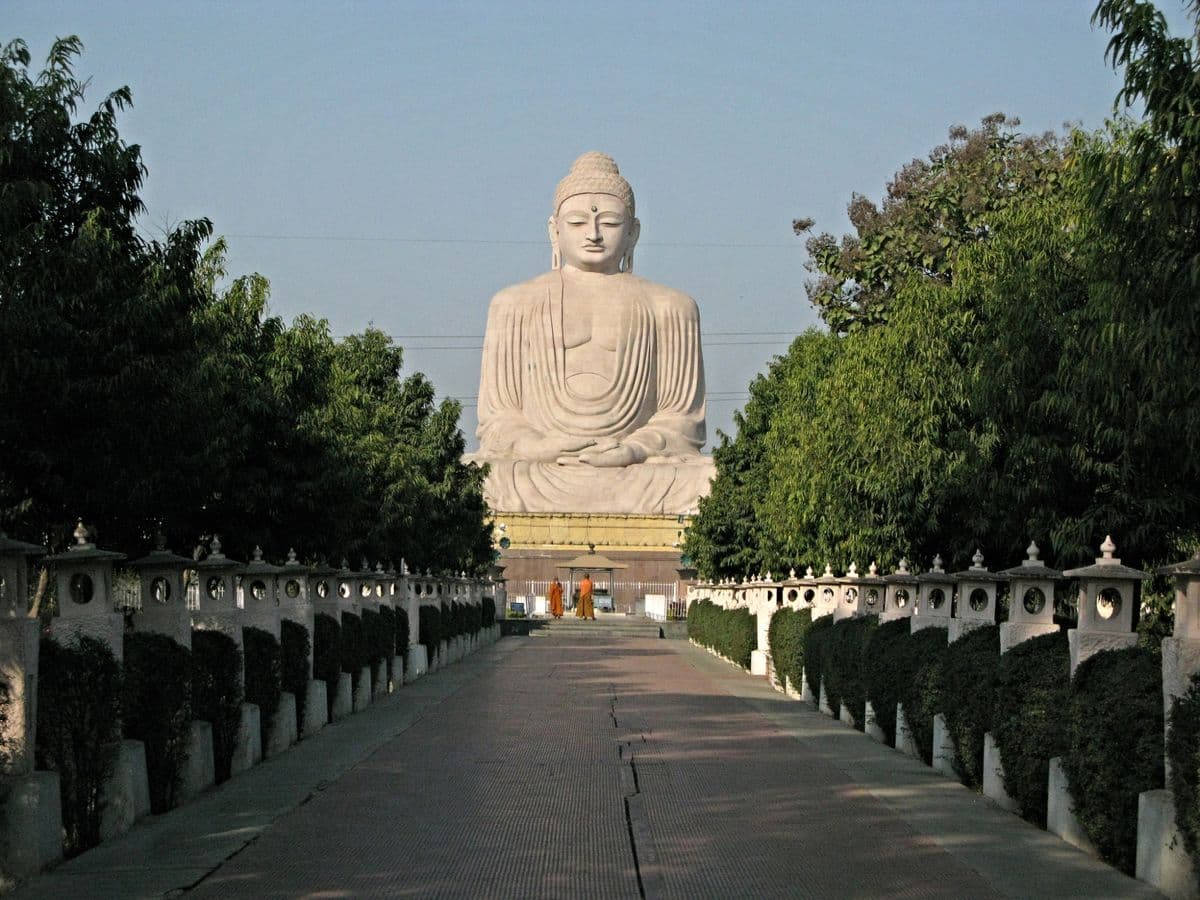
- Diskit in Nubra Valley: 32-metre Maitreya statue, facing Pakistan, meant to preserve peace.
Spiti: the India you did not know was yours
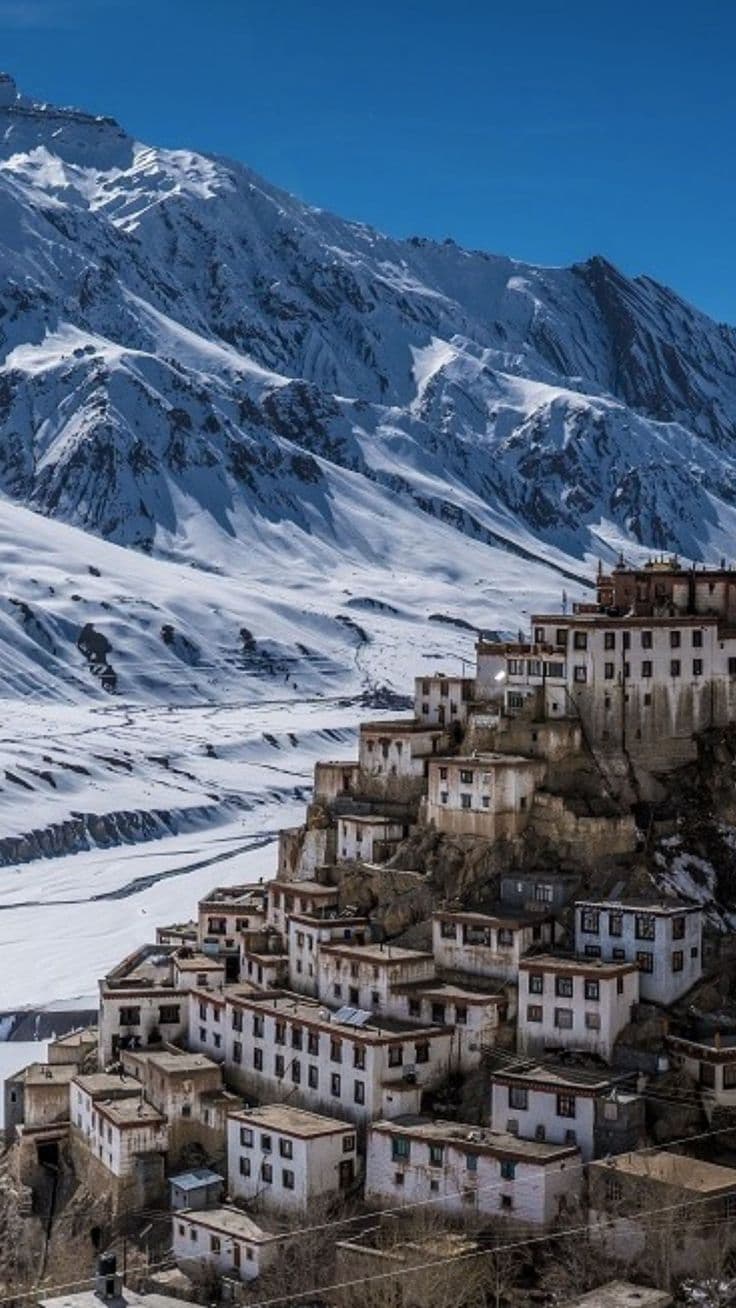
Over the Baralacha La pass, in Himachal Pradesh, sits Spiti Valley — drier, harder, higher still. Key Gompa at 4,166 m gets called the "classic postcard" of the Indian Himalayas; Tabo (founded 996 AD) keeps the finest frescoes this side of Tibet and earns the nickname "the Ajanta of the Himalayas" — a deliberate nod to the Ajanta caves far south in Maharashtra.
Before you go
- Best months: June to mid-September. The rest of the year, most passes close.
- Acclimatise at Leh for at least 48 hours before ascending further. Diamox helps; thick chapatis and butter tea help more.
- Monasteries ask for silence and a small donation (₹20–₹100). Do not point your feet at the altar. Remove shoes.
- You still need Inner Line Permits for Nubra, Pangong and Tso Moriri — your homestay host will arrange them.
Where this journey fits in India
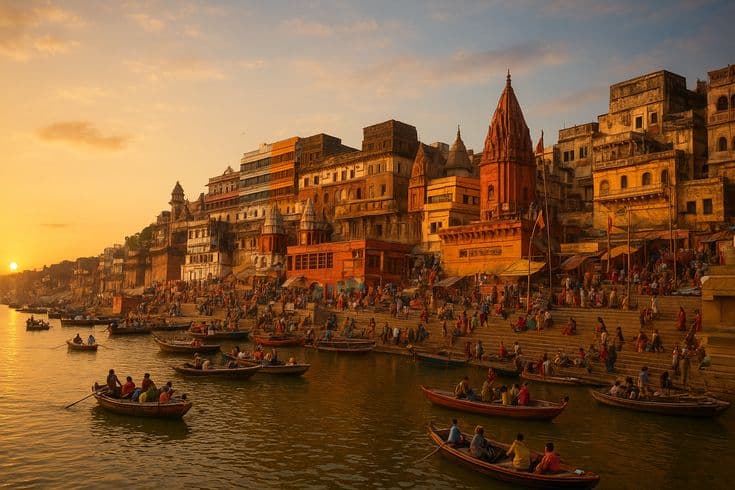
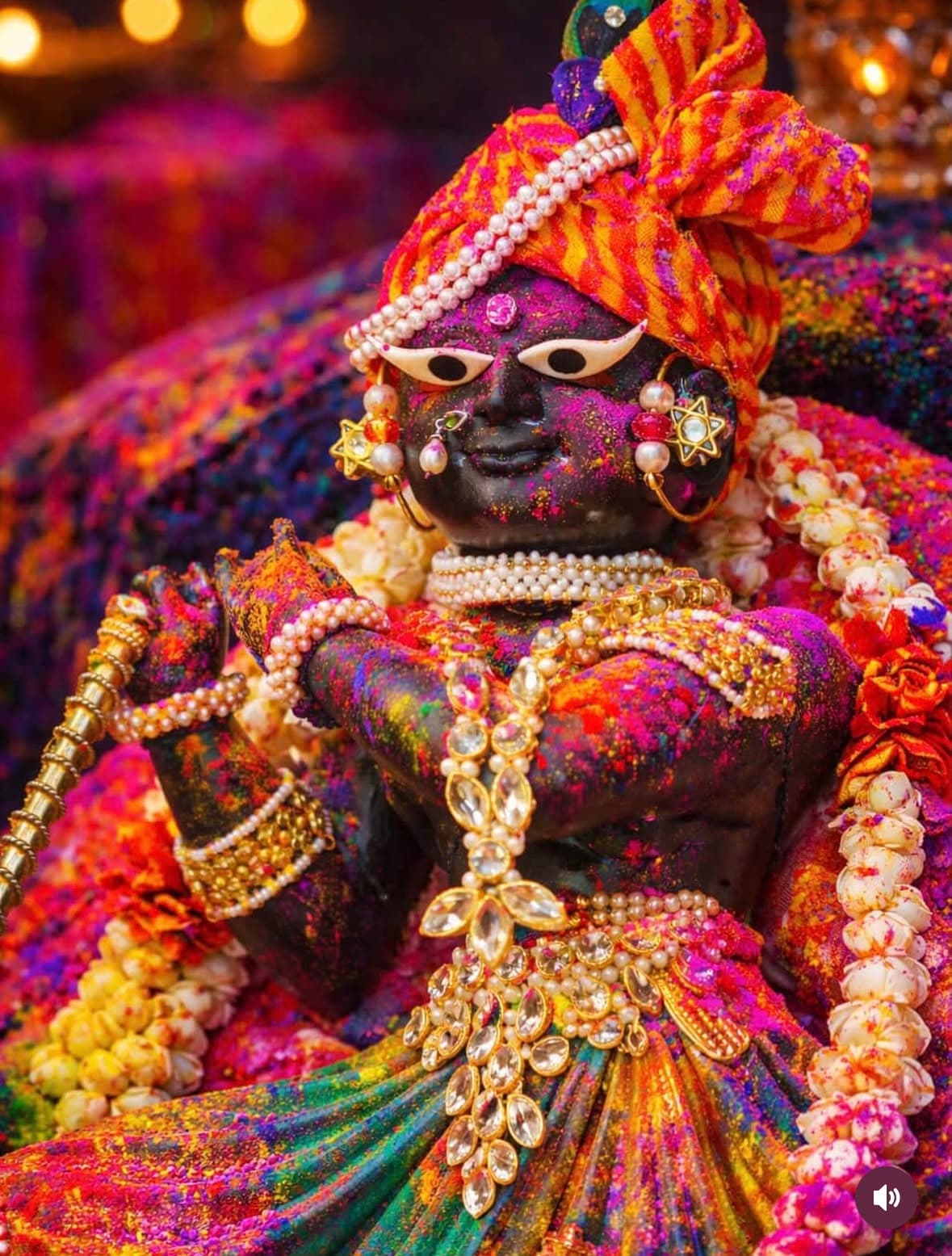
This Himalayan loop is the Vajrayana chapter of a far older devotional map. Want the Hindu-Saivite opening? Begin in Varanasi. For a Vaishnavite middle, give a week to Braj at Holi. As a quiet south-Indian close, fly down to the Kerala backwaters. The road has no real start or end. It only changes colour. For the practical stops that join the dots, look to Pangong Lake, Rishikesh, and the hill stations of Shimla and Darjeeling.
“In the mountains, the gods do not descend. They simply agree to be visible for a while.”

About the author
Arjun BanerjeePilgrimage · Heritage
Kolkata-based historian and travel writer who walks India's pilgrimage routes, reading temple towns as living archives of language, ritual and trade.
More from Arjun BanerjeeFrequently asked questions
- What is the best time to visit Ladakh monasteries?
- June to mid-September. The Manali–Leh and Srinagar–Leh highways are open, temperatures are bearable (5–25 °C) and most festivals including the Hemis Festival (July) happen in this window.
- Do I need a permit for Ladakh?
- Indian tourists need an Inner Line Permit (ILP) for Nubra Valley, Pangong Lake, Tso Moriri and Hanle. Foreign nationals need a Protected Area Permit (PAP). Your homestay or travel agent can arrange both within a day in Leh.
- How do I avoid altitude sickness in Ladakh?
- Spend at least 48 hours acclimatising in Leh (3,500 m) before going higher. Stay hydrated, avoid alcohol for the first two days, eat light carb-heavy meals, and consider prophylactic Diamox (consult your doctor before travel).
Discover India
Planning a trip to India?
Most of our editors live and travel across India. Here are some of the destinations and stories worth bookmarking before you go.