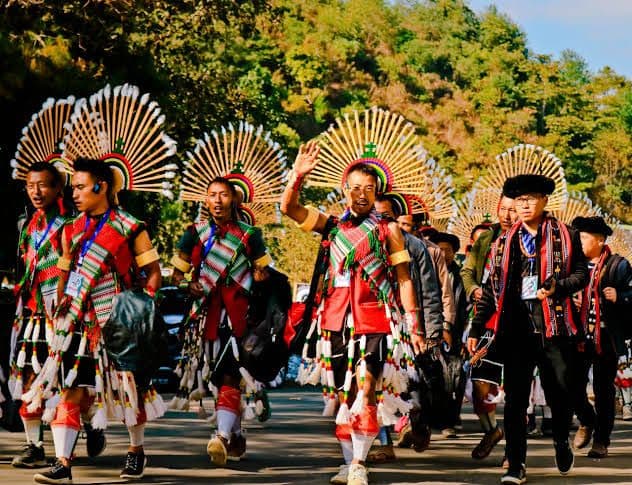
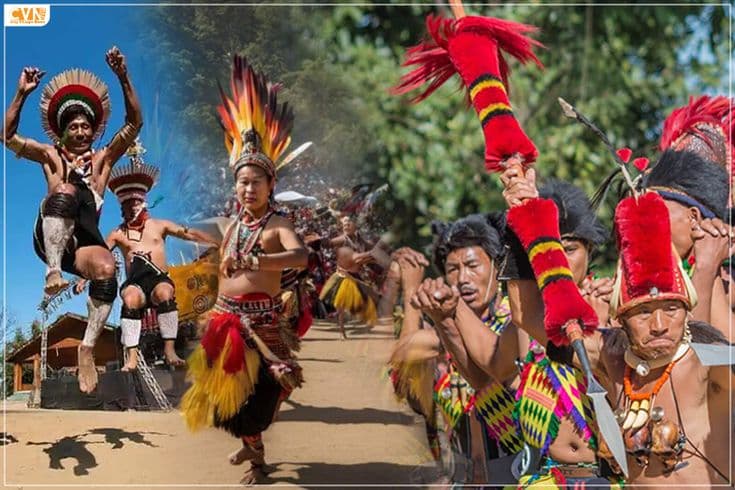
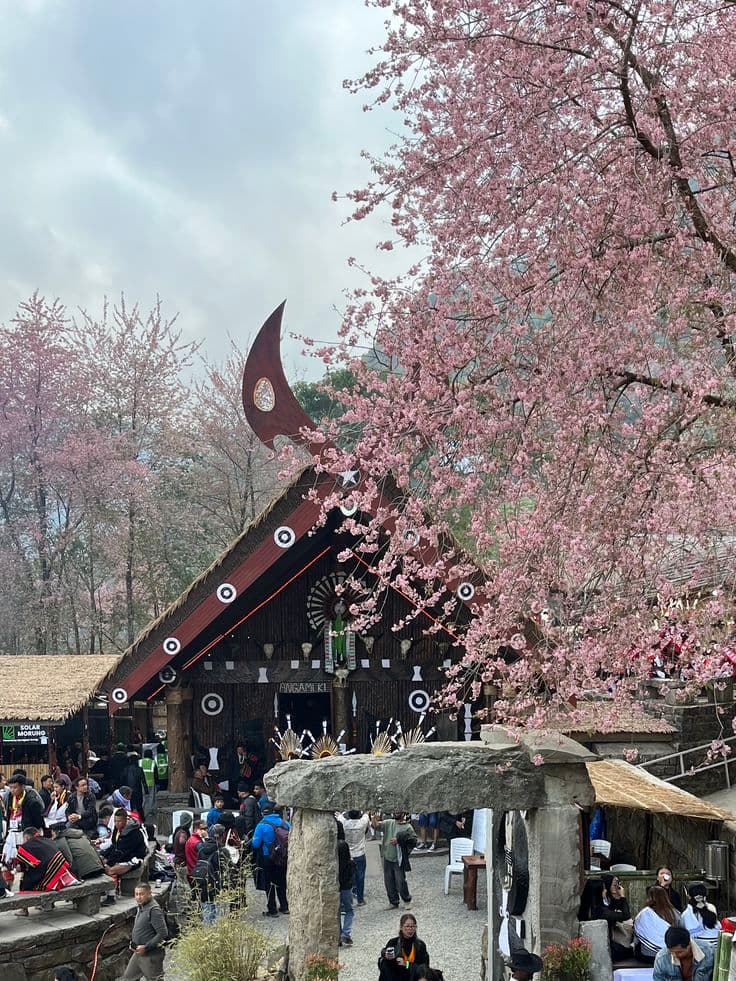

Smoke, drums, and a low earth-shaking rhythm that no other Indian festival produces: the sound of mithun-horn war trumpets. For one week every December the hills around Kohima carry it. Seventeen tribes come down to the Kisama Heritage Village from places that still keep head-hunting memorials, Christian harvest rites, and oral histories older than any written record. The 10-day Hornbill Festival is the Naga people presenting themselves on their own terms. Unfiltered. None of the tourist-board gloss that flattened tribal festivals everywhere else in the country.
A people who were never Hindu, never Muslim, never colonised
The Naga tribes are a group of Tibeto-Burman peoples — Angami, Ao, Sema, Lotha, Konyak, Chakhesang, Rengma and 10 others — who settled the hills between the Brahmaputra and the Chindwin river around 1000 BCE. They farmed, hunted, and took the heads of rival villages as trophies. They resisted the Mughals, the Ahoms, the British (who only subdued the hills in 1879 after 30 years of fighting), and then the Japanese in 1944. Most tribes remained animist until 19th-century American Baptist missionaries arrived — today 88% of Nagas are Christian, the highest percentage of any Indian state. Sundays in Kohima are genuinely silent.
The state joined India in 1963 after a long separatist insurgency. The hardliner Naga National Council never signed the ceasefire; pockets of resistance continued until 1997. The Hornbill Festival was launched by the state government in 2000 as a unifying cultural showcase — and against everyone's expectations, it worked. All 17 tribes participate. The name comes from the great hornbill, the sacred bird whose feathers crown every chief's headdress.
What happens in the 10 days
- Morungs — each tribe's traditional bachelor's lodge is reconstructed at Kisama. Walk through all 17 to see the carved door-posts and mithun skulls.
- War dances — daily performances, 10 am and 3 pm. The Konyak chest-slapping dance is the most intense.
- Traditional food courts — smoked pork with axone (fermented soybean), bamboo-shoot stews, rice beer in bamboo cups.
- Naga music festival — Dimapur venue, evenings; rock bands from across the Northeast.
- Hornbill International Film Festival — short films and documentaries from tribal filmmakers.
- Opening and closing ceremonies — full traditional dress parades of all 17 tribes.
The battlefield next door: Kohima, 1944
Kohima is also where the British Empire made its last stand against the Japanese advance into India. From 4 April to 22 June 1944, 2,500 British and Indian soldiers held off an entire Japanese division on a tennis court at the deputy commissioner's bungalow. The hand-to-hand fighting was so close, Japanese officers ordered grenades thrown across what was a standard lawn tennis court. The battle turned the tide of the Burma campaign. The Kohima War Cemetery still preserves 1,420 graves, and the epitaph over the main gate — 'When you go home, tell them of us and say, for your tomorrow, we gave our today' — is one of the most-quoted in military history.
Pair with the Northeast circuit
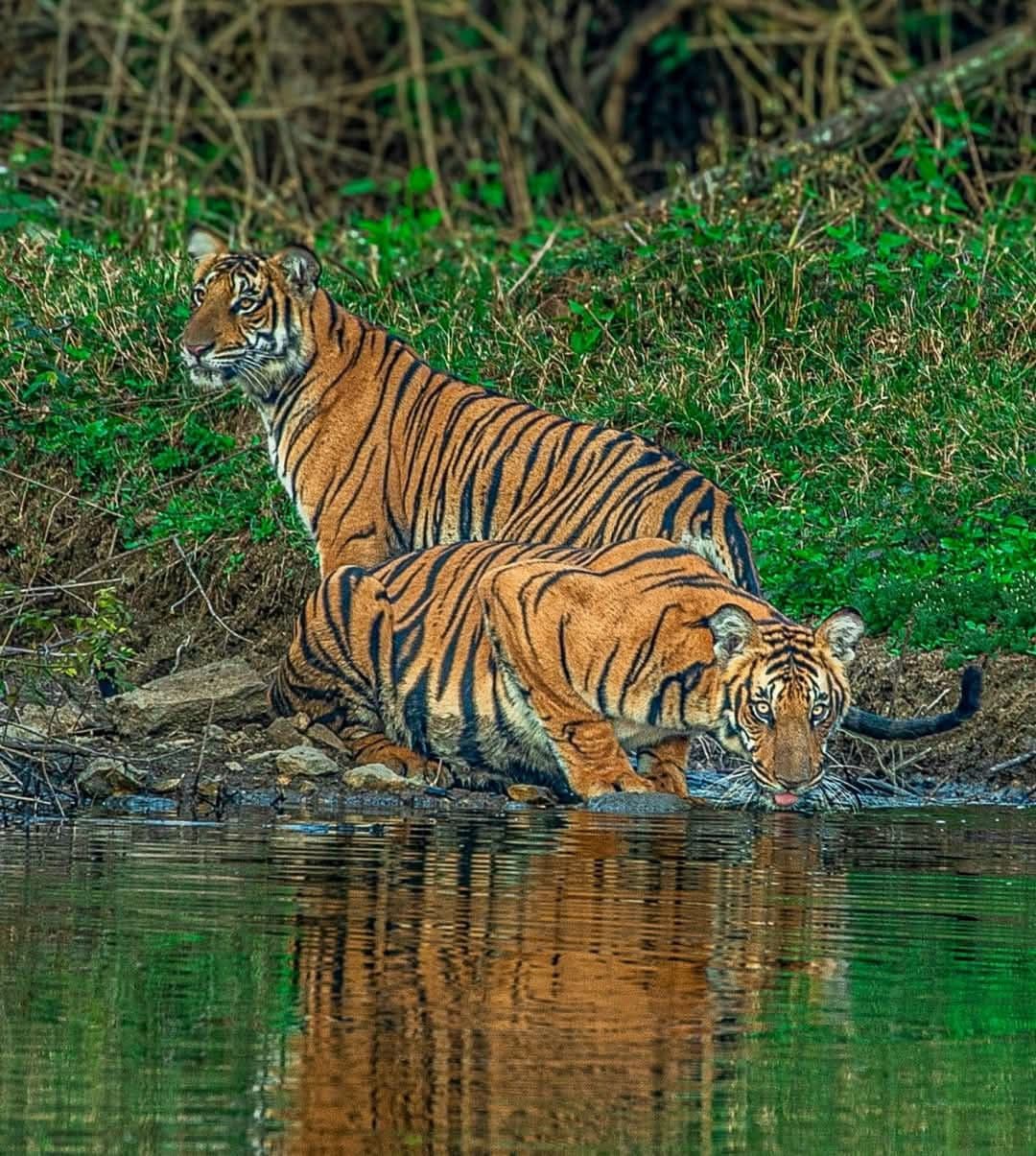
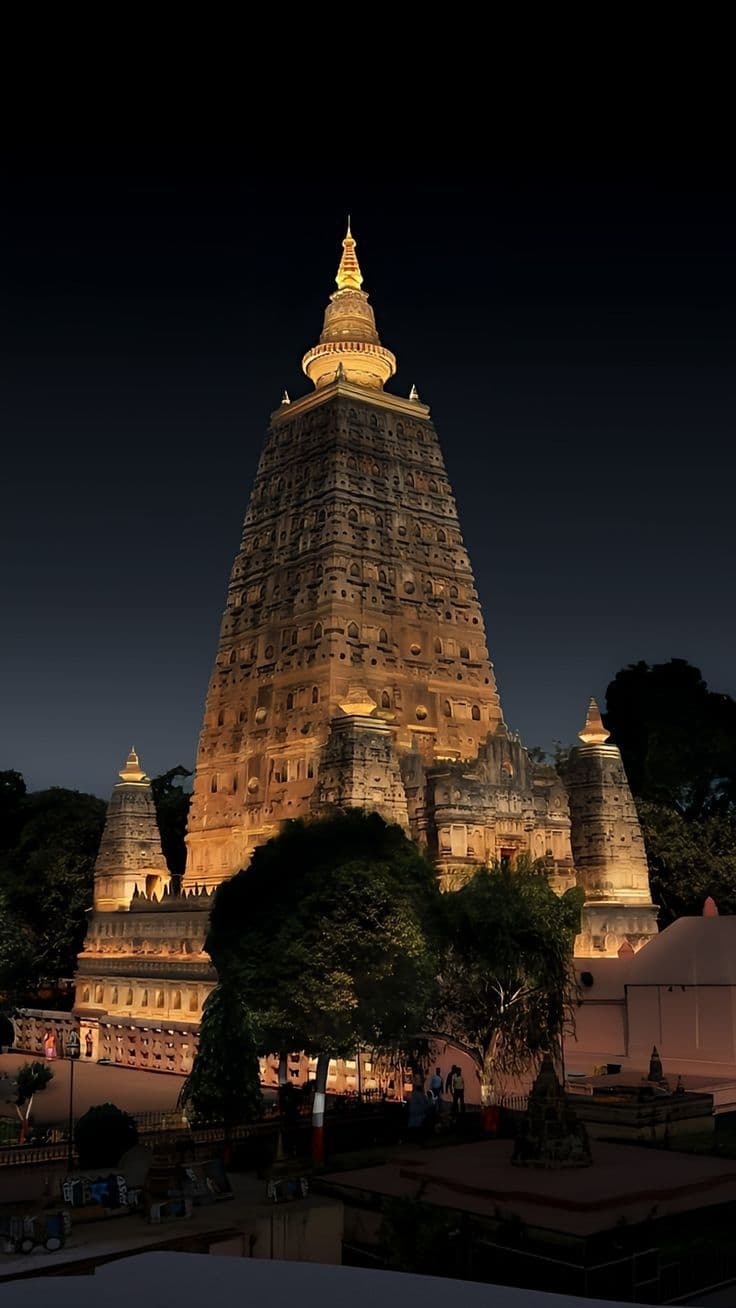
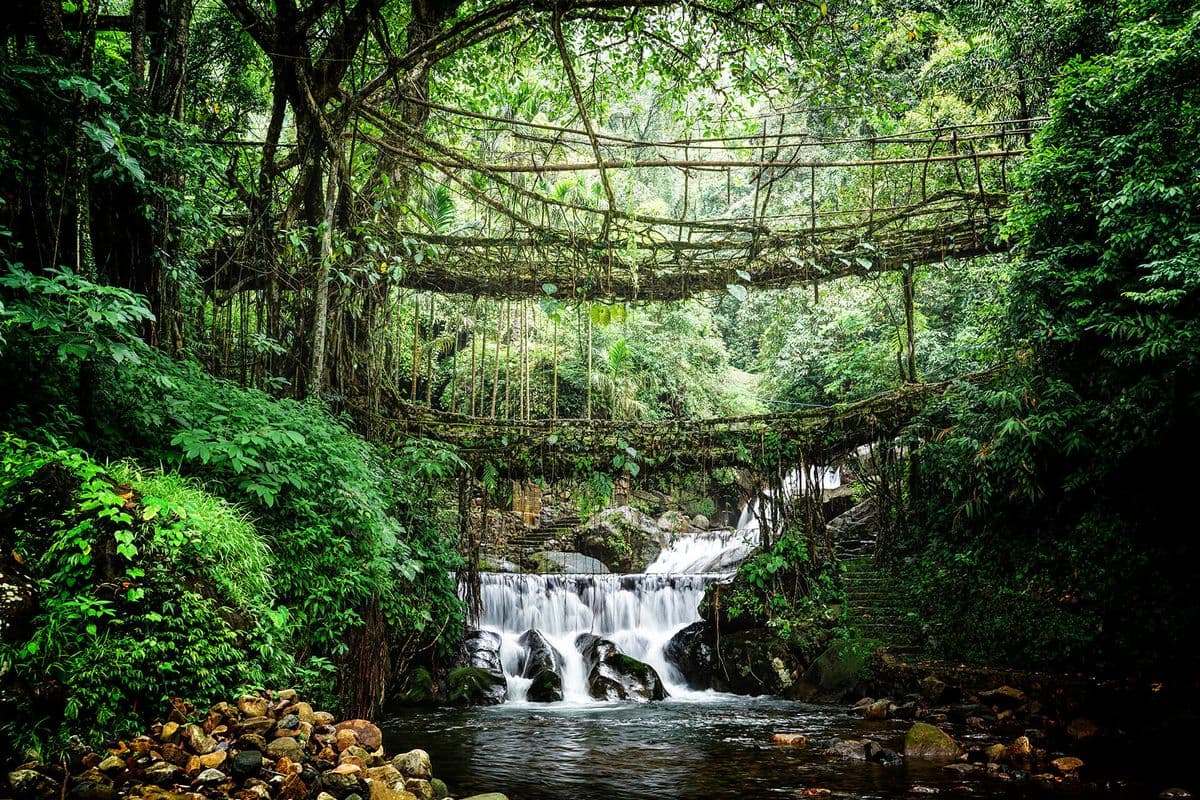
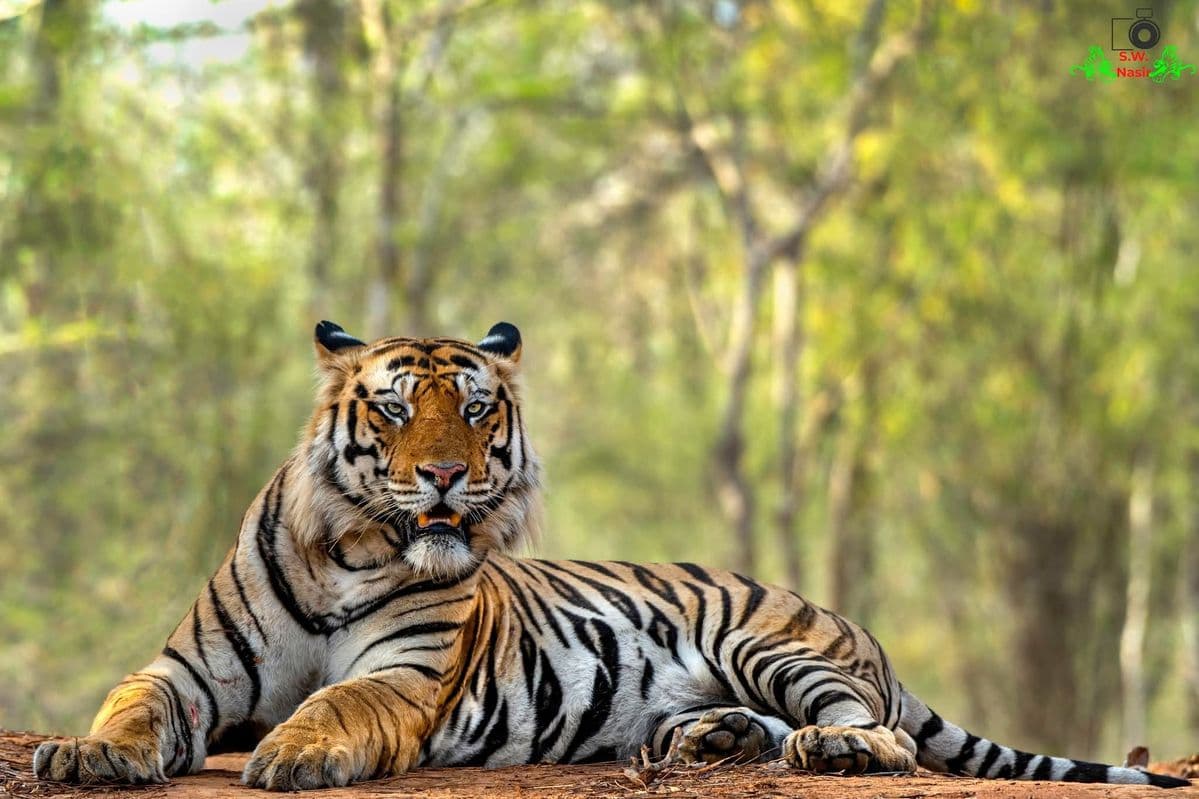
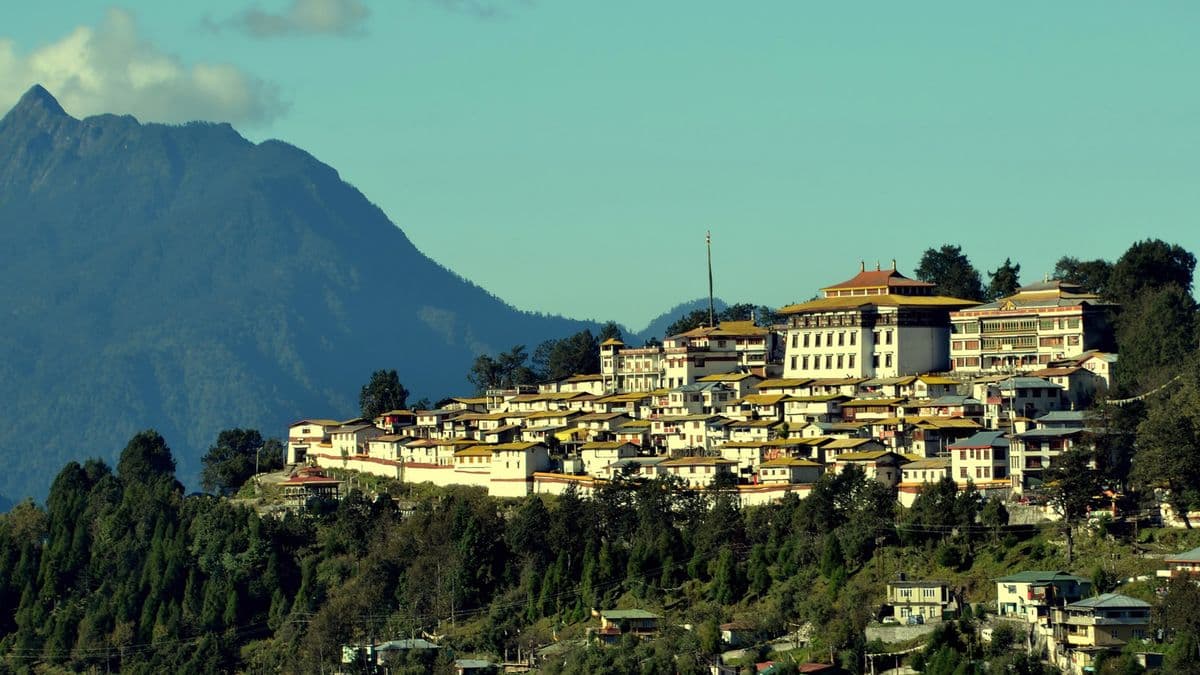
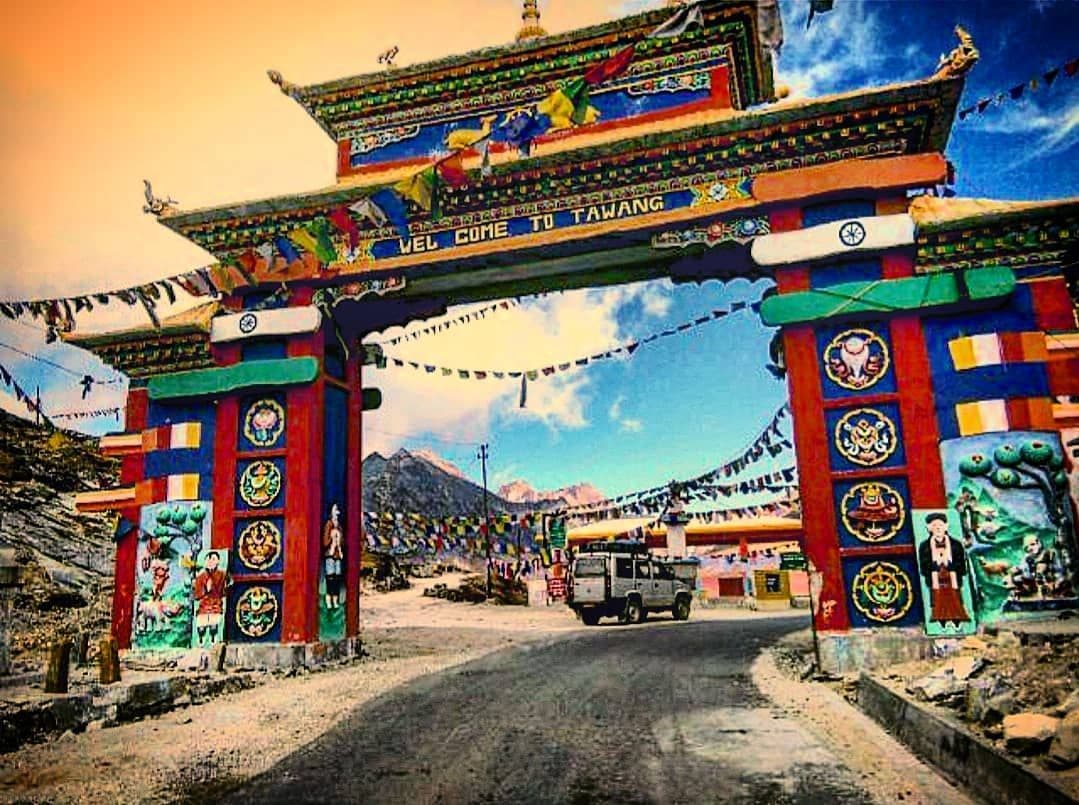
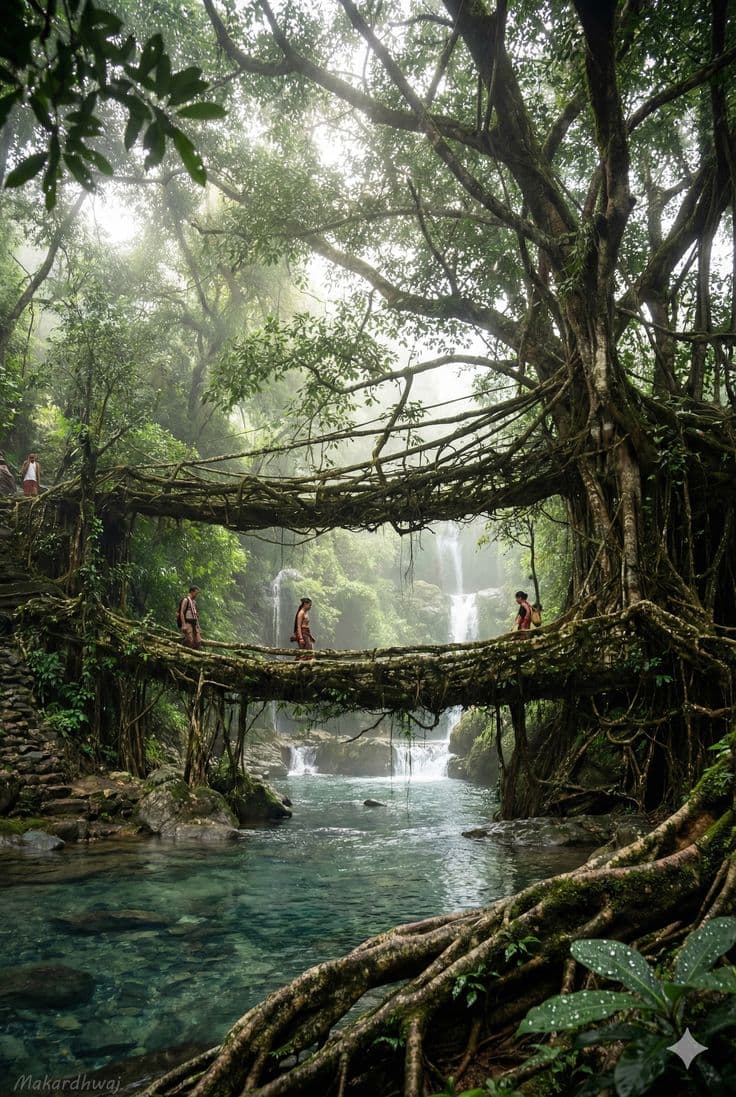
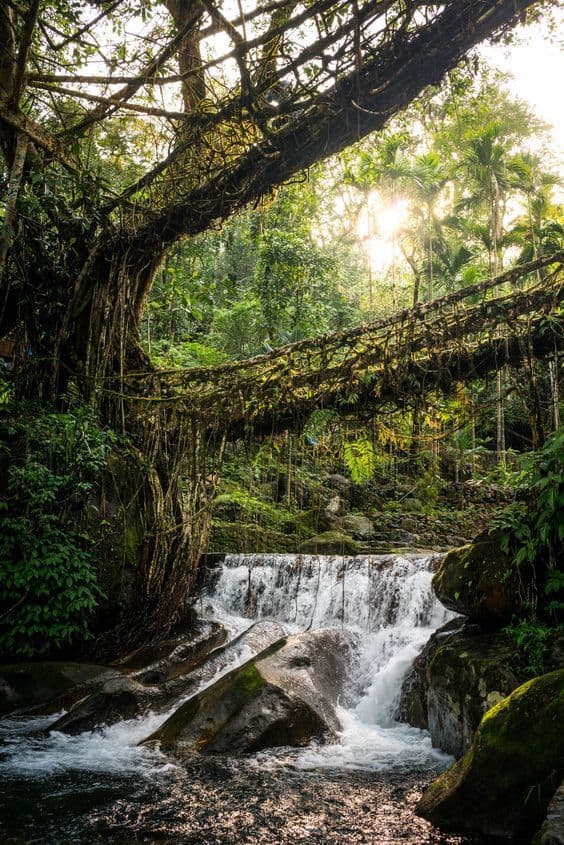
The Naga hills fit into a broader Northeast loop. To the north-west is the wildlife of Kaziranga in Assam. To the south, the wettest place on earth at Cherrapunji in Meghalaya. To the north-east, the Buddhist highlands of Tawang in Arunachal Pradesh. All four together make the definitive Seven Sisters trip. See all Nagaland destinations or browse Heritage sites.
“The Naga asks not what you believe — only which village you come from.”

About the author
Arjun BanerjeePilgrimage · Heritage
Kolkata-based historian and travel writer who walks India's pilgrimage routes, reading temple towns as living archives of language, ritual and trade.
More from Arjun BanerjeeFrequently asked questions
- When exactly is the Hornbill Festival?
- Every year from 1 to 10 December. The calendar does not shift. Book hotels by September — Kisama and Kohima sell out entirely, and private homestays open up for the week.
- Is a permit required for Nagaland?
- Indians need an Inner Line Permit — ₹100, applied online or on arrival at Dimapur airport. Foreign nationals no longer need a Restricted Area Permit (as of 2010) but must register at the nearest police station within 24 hours.
- How do I reach Kohima?
- Fly to Dimapur (75 km, the only airport in Nagaland) from Guwahati, Kolkata or Delhi. Shared taxi to Kohima takes 2.5 hours, private taxi ₹2,500. The hilly drive is stunning; no train goes to Kohima itself.
Discover India
Planning a trip to India?
Most of our editors live and travel across India. Here are some of the destinations and stories worth bookmarking before you go.