


A kingdom that joined India last
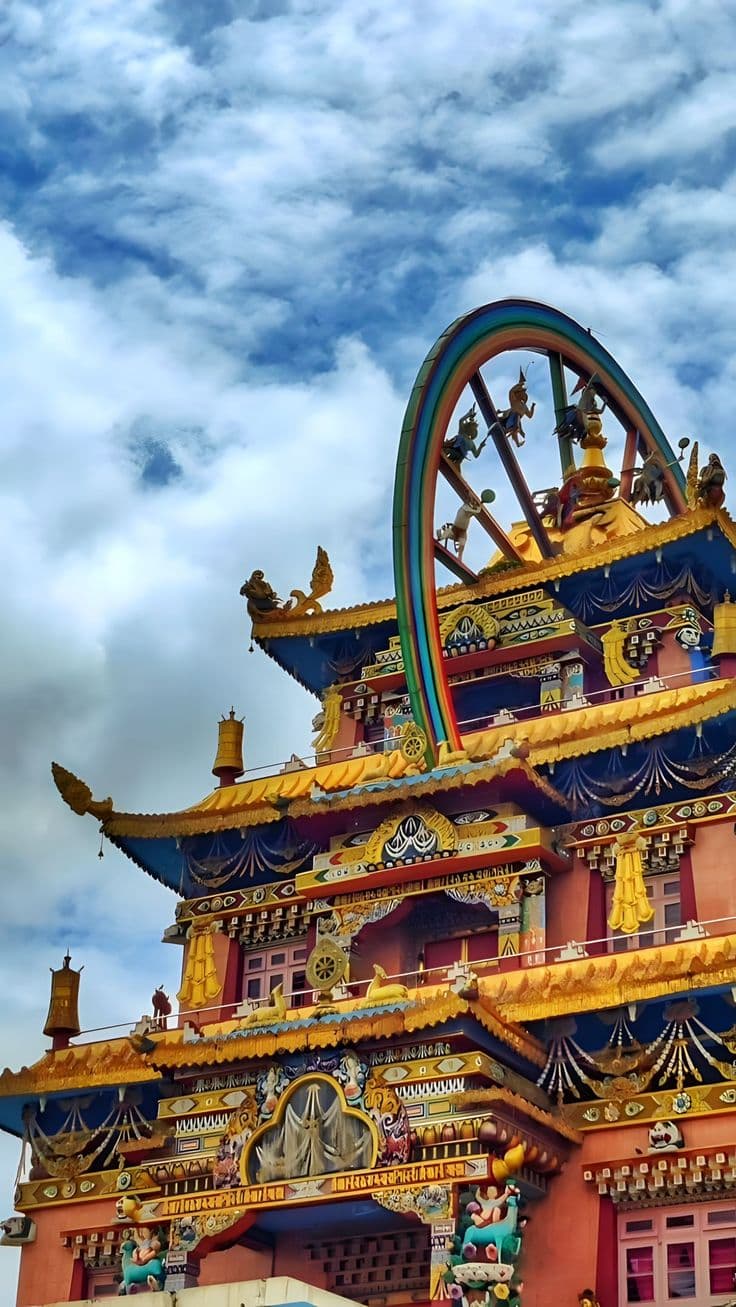
Sikkim was a Buddhist kingdom for 333 years, ruled by the Namgyal dynasty after Tibetan monks fleeing sectarian conflict founded it in 1642. The twelfth Chogyal (king) ruled from a palace in Gangtok; the state held its independence through the British period as a protectorate. Then came April 1975. After years of political pressure from the Nepali-origin majority, a referendum voted to join the Indian Union, and Sikkim became India's 22nd state. The royal family still lives quietly in the old palace, where the temple and chorten grounds are open to visitors.
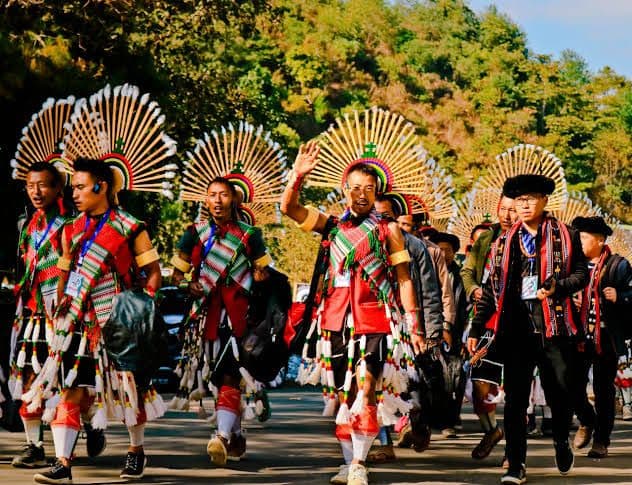
Three communities define the state. Bhutia (Tibetan origin, 8%), Lepcha (the original inhabitants, 8%), and Nepali (the majority, brought in as agricultural labour in the 1800s). Three languages — Bhutia, Lepcha, Nepali — sit alongside English and Hindi as official. Religion layers the same way: 57% Hindu, 27% Buddhist, with a visible Christian minority. Expect a culture far less homogenous than neighbouring Nepal or Tibet — you will taste it in the food, see it in the festivals, read it in the architecture.
The mountain at the end of the street
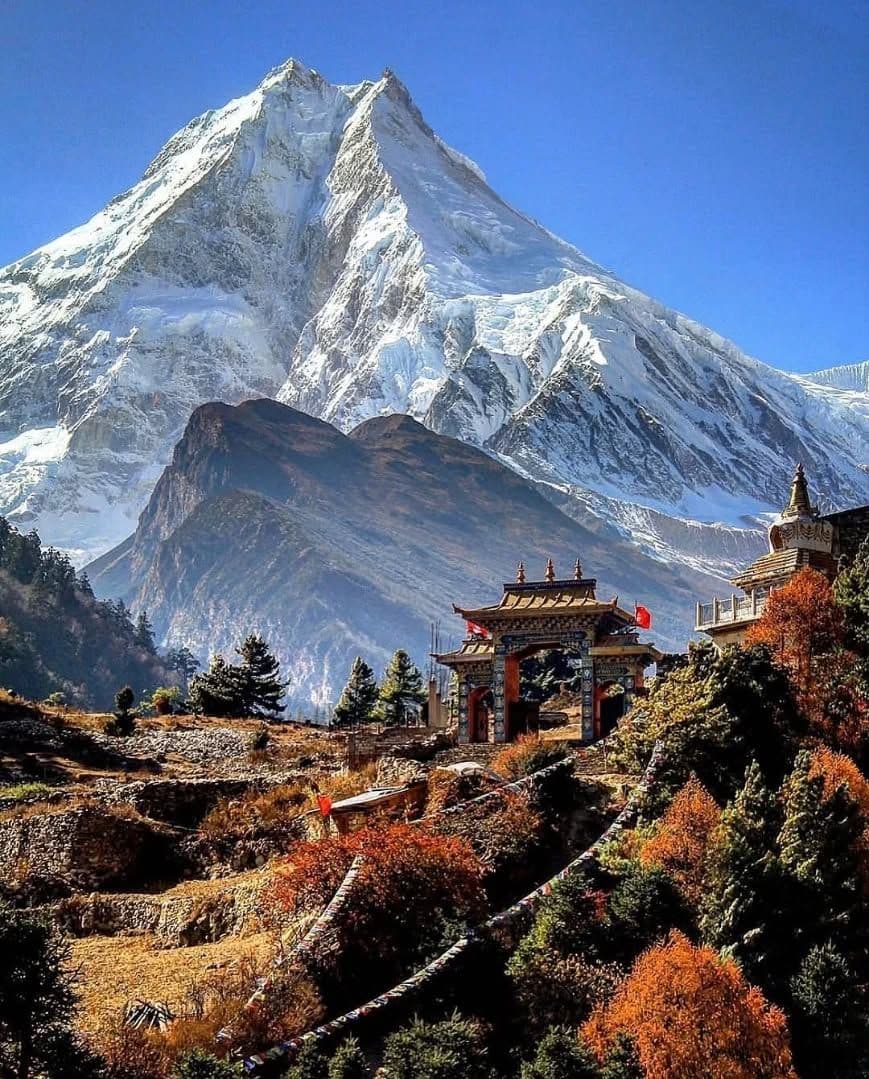
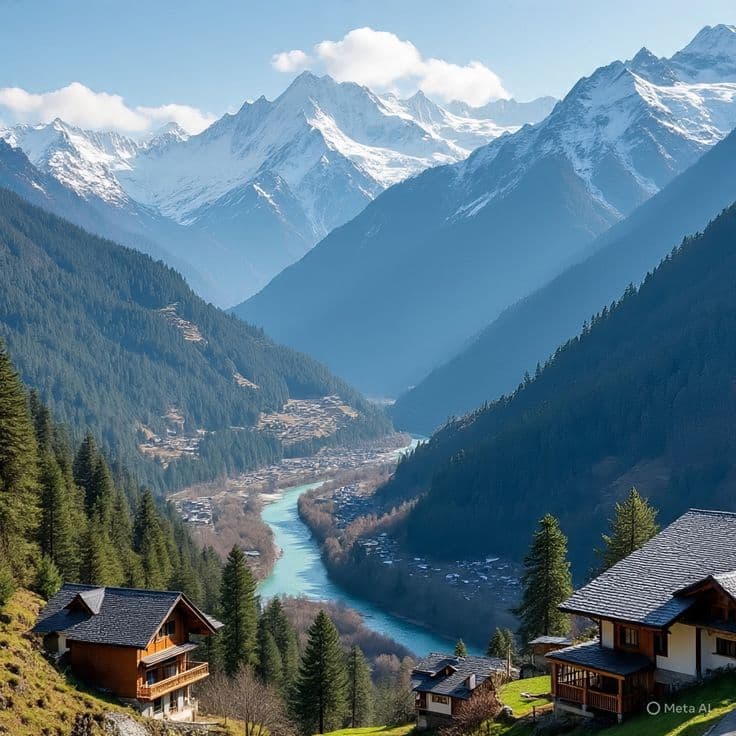
Gangtok sits on a ridge at 1,650 metres, facing due west. Mornings here are usually clear between October and April, and on those mornings the entire Kanchenjunga massif rises out of the valley fog in one unbroken wall of rock and ice. The 8,586-metre peak is the third-highest mountain on earth and the only 8,000-er visible from a city's main street. Sikkimese Buddhists call it Khang-chen-dzonga — 'the five treasures of the great snow' — and consider the mountain the seat of their guardian deity. No climber has ever been permitted to stand on its summit by Sikkim's government; a five-metre bow to the mountain's sanctity is made at the top.
A four-day Sikkim route
- Day 1 — Gangtok: Rumtek Monastery (seat of the Karmapa, 24 km), Enchey Monastery, MG Marg evening walk.
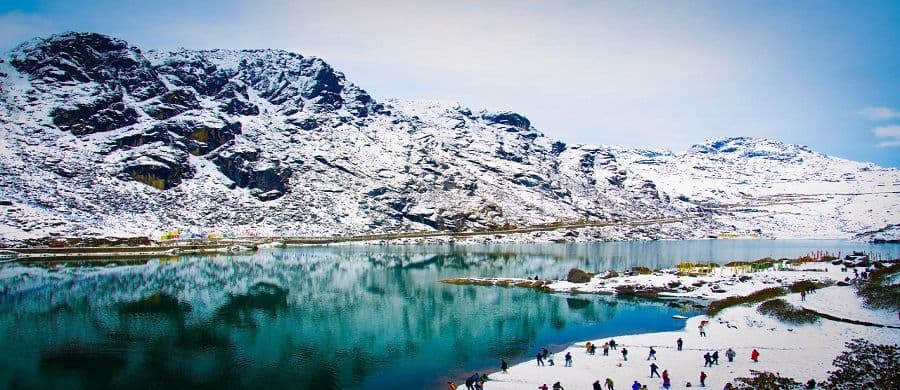
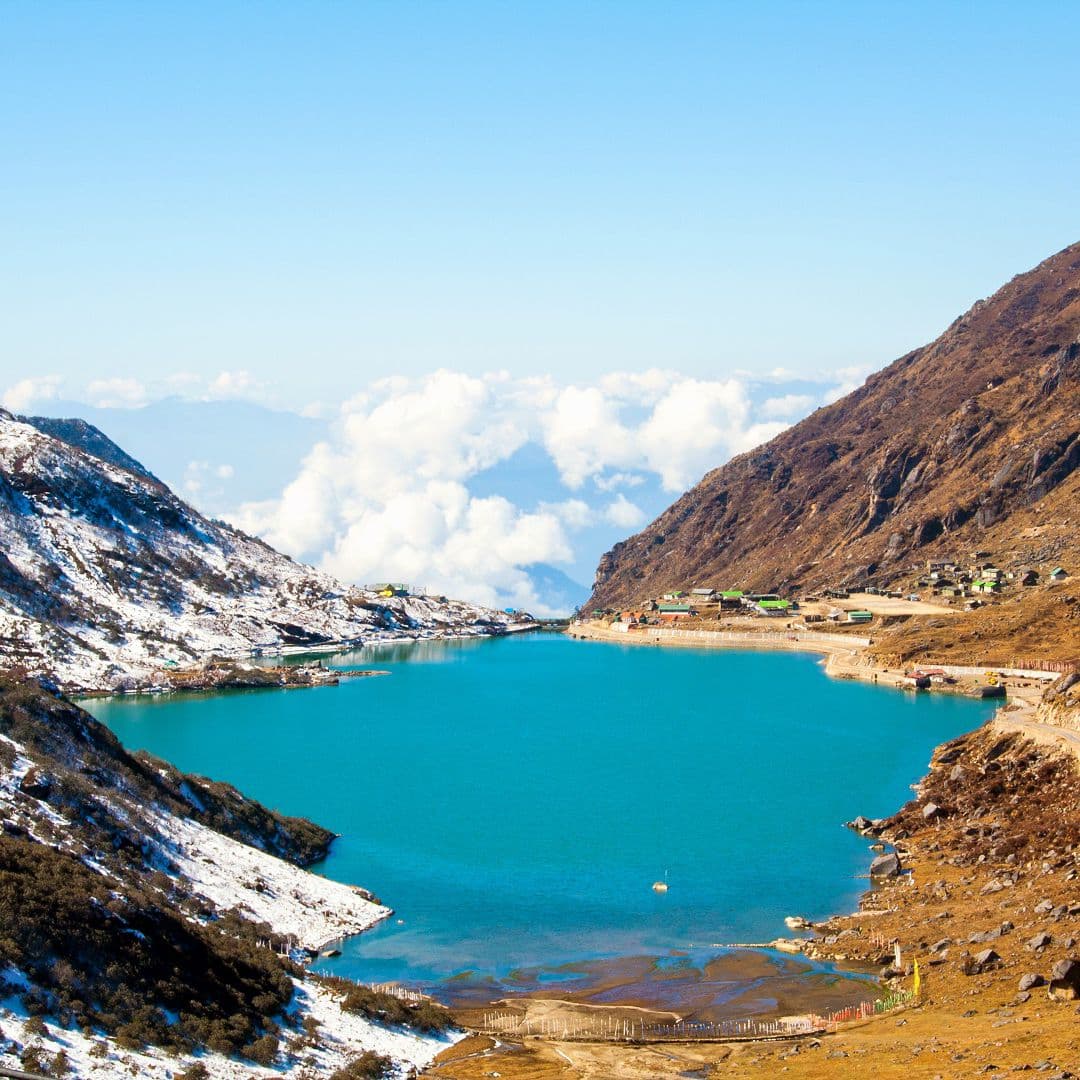
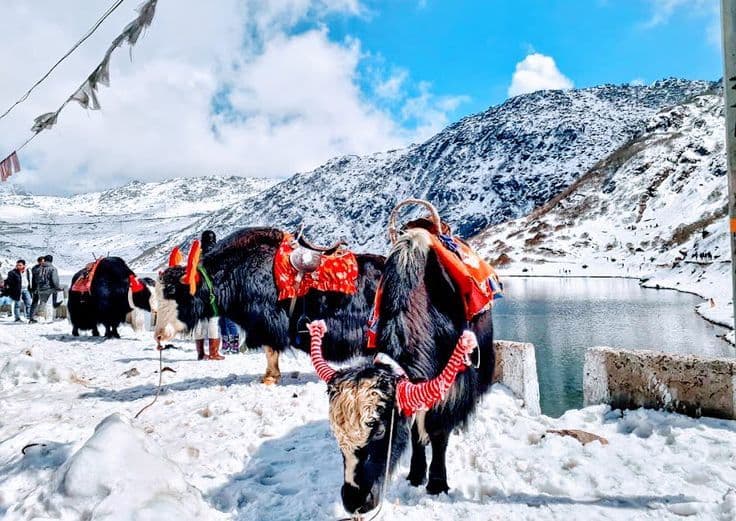
- Day 2 — Tsomgo Lake and Nathu La: Permit-only day trip (3,780 m lake, 4,310 m pass into Tibet). Yak rides, frozen lake in winter, primulas in spring.
- Day 3 — Pelling / Pemayangtse: 4-hour drive west. Pelling has the best straight-on view of Kanchenjunga in Sikkim. Pemayangtse Monastery (1705) is the second-oldest in the state.
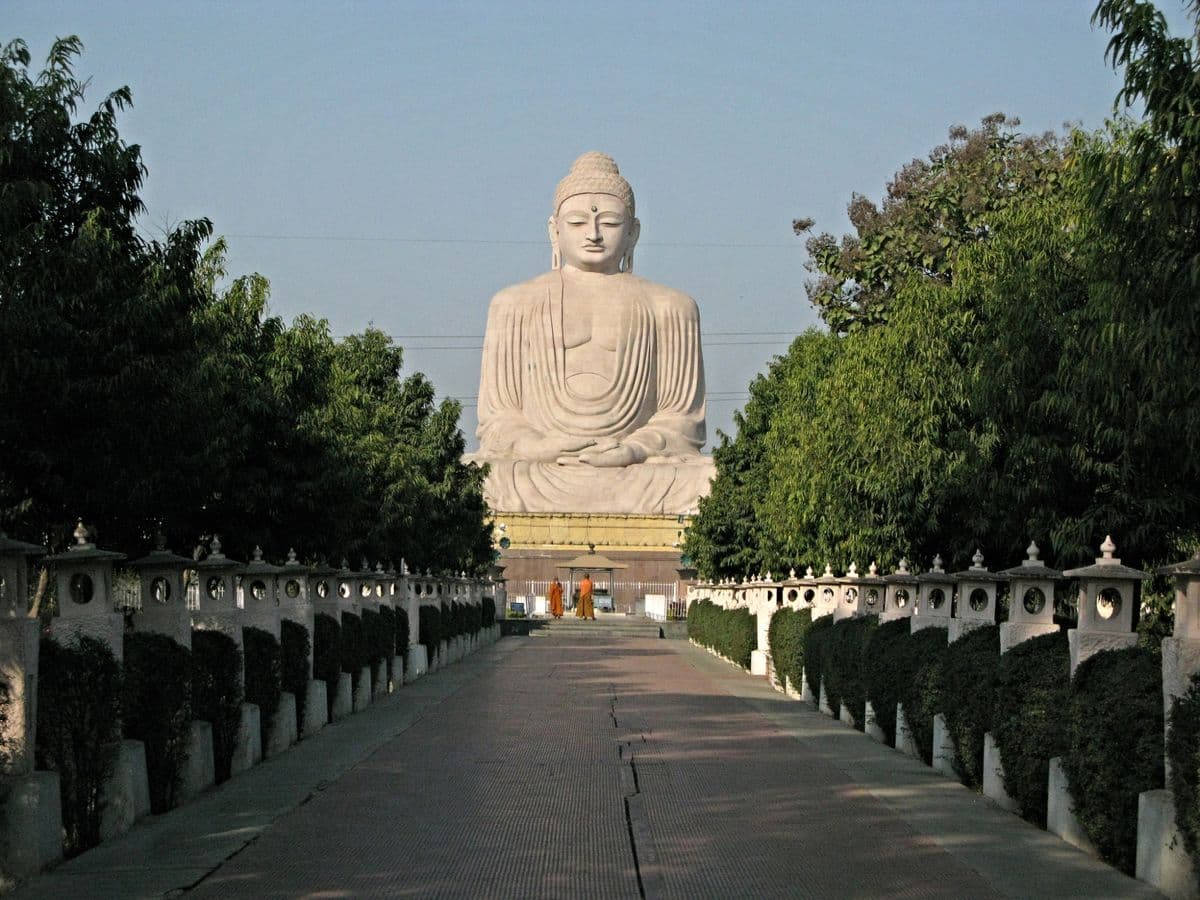
- Day 4 — Yuksom or Ravangla: Yuksom is Sikkim's first capital; Ravangla has the 40-metre Shakyamuni Buddha statue and panoramic views.
“Sikkim taught me that a border is not a line. It is a gradient of cultures.”
Pair with Darjeeling and the Himalayan circuit
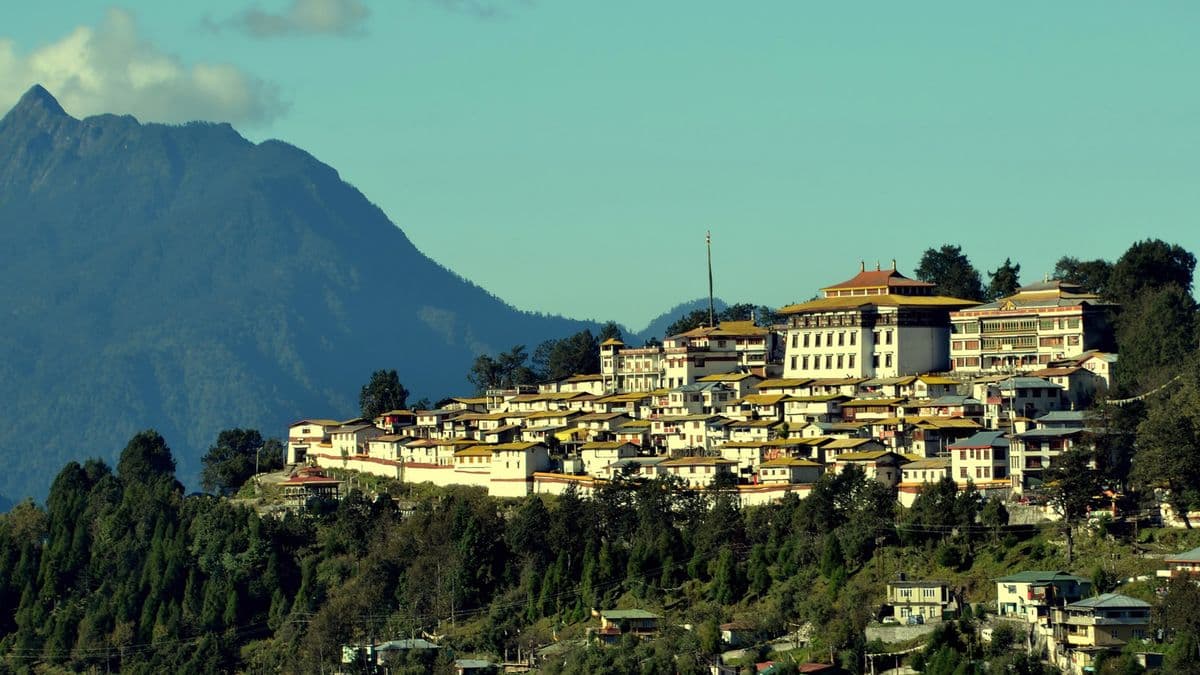
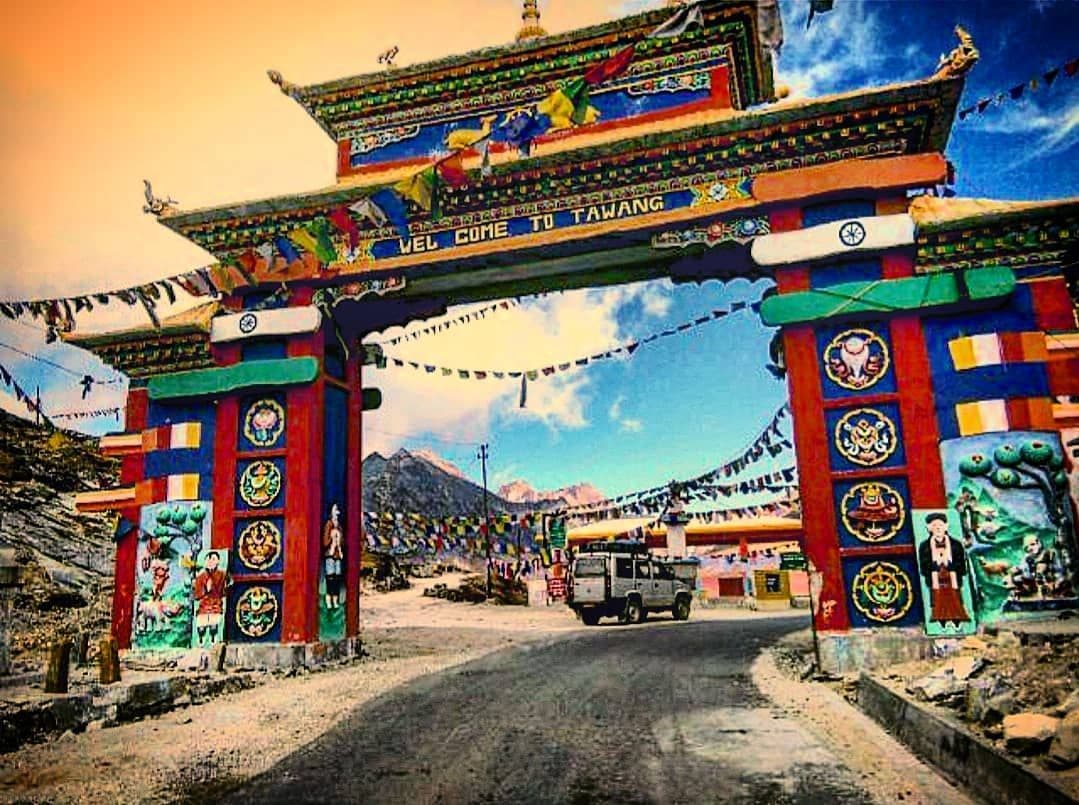
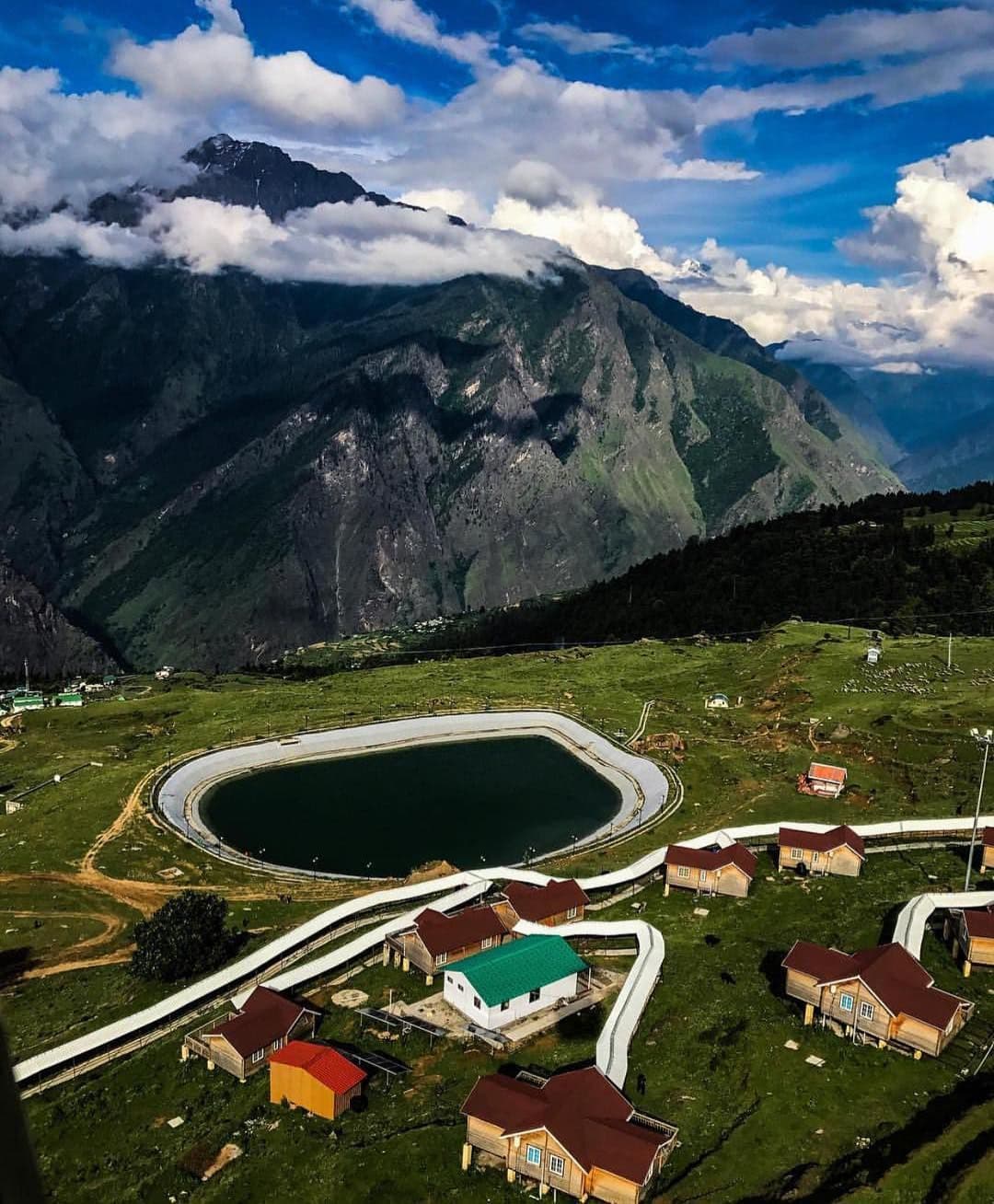
Two hours north of Darjeeling, Sikkim makes a classic eastern Himalayan combination. If Tibetan Buddhism fascinates you, push further east to Tawang Monastery in Arunachal Pradesh, or loop back to the Ladakhi gompas covered in our Himalayan monasteries post. For the other Himalayan winter — skiing instead of monasteries — head west to Auli in Uttarakhand. See the full state of Sikkim or browse Hill Stations.

About the author
Arjun BanerjeePilgrimage · Heritage
Kolkata-based historian and travel writer who walks India's pilgrimage routes, reading temple towns as living archives of language, ritual and trade.
More from Arjun BanerjeeFrequently asked questions
- Do I need a permit to visit Sikkim?
- Indians need no permit for Gangtok. For Tsomgo Lake, Nathu La, Gurudongmar and North Sikkim, apply for a Protected Area Permit in Gangtok (30 minutes, ₹200). Foreigners need an Inner Line Permit — apply in Siliguri or Gangtok.
- When is the best time to visit Sikkim?
- March–May for rhododendron blooms and clear mountain views. October–November for post-monsoon clarity. Winter (December–February) freezes Tsomgo Lake and offers stunning dry-weather views but roads to North Sikkim can close.
- Is Sikkim suitable for families with children?
- Yes. Gangtok itself is low altitude. Day trips to Tsomgo involve altitude (3,780 m) — children under 6 may need one day to acclimatise. Yak rides and cable cars are plentiful. Avoid Gurudongmar (5,430 m) with kids under 12.