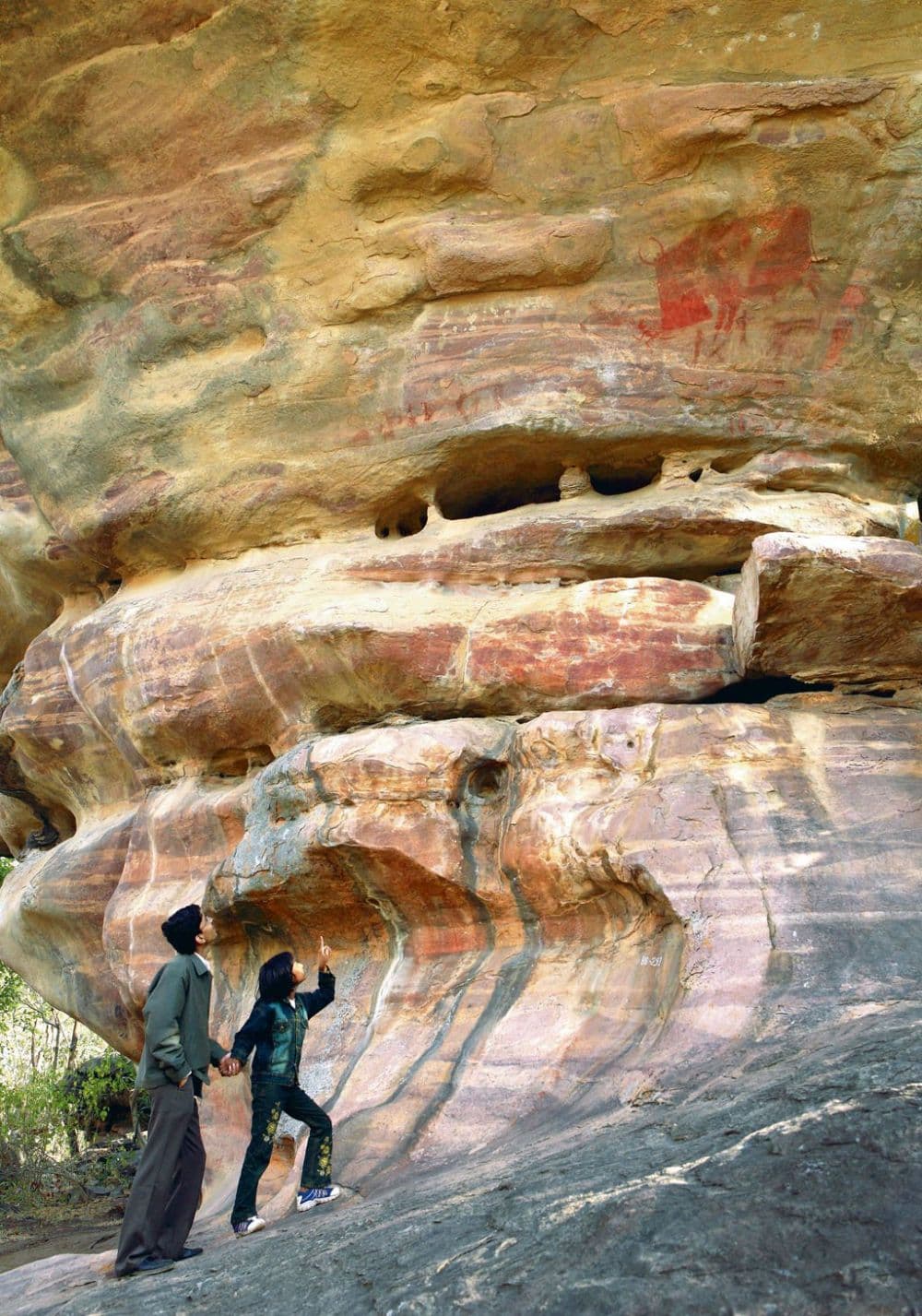
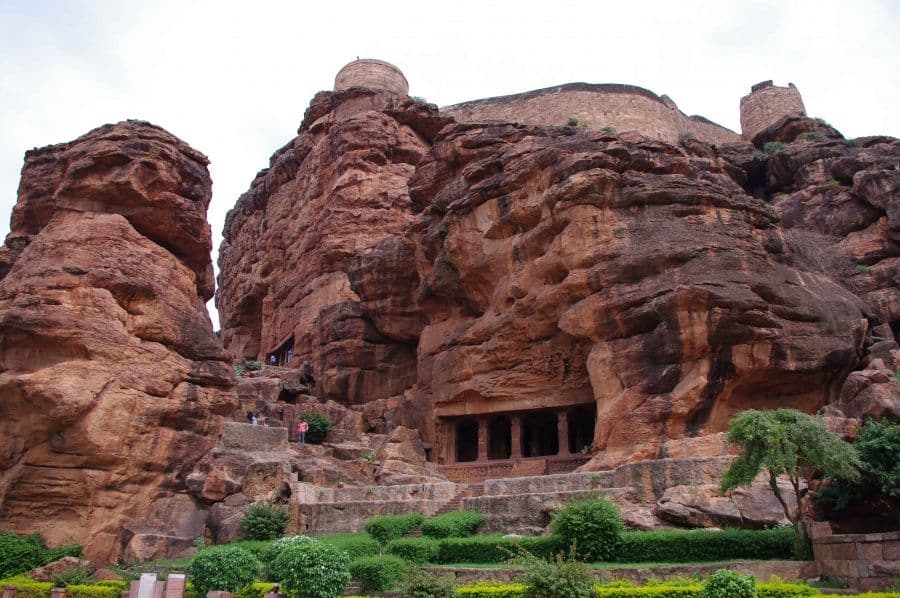
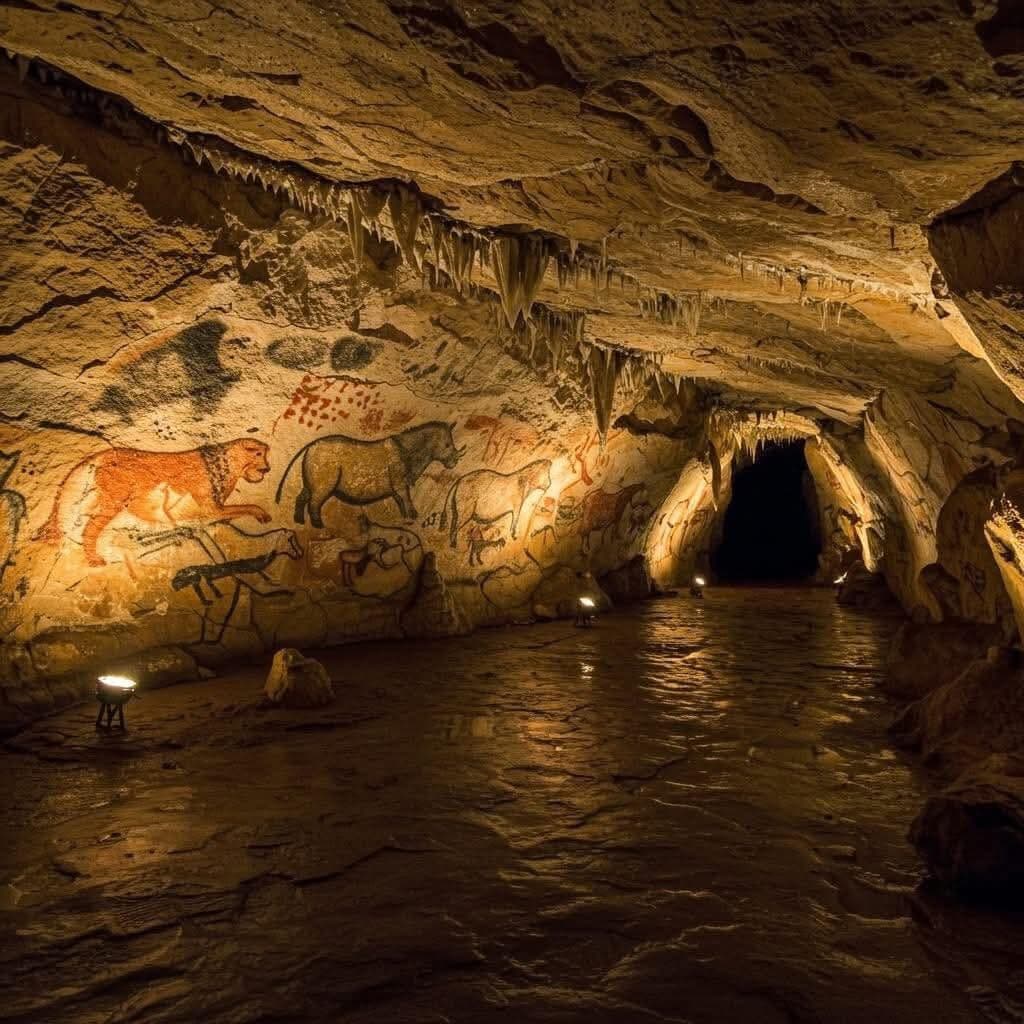
Forty-five kilometres south of Bhopal, the Vindhya hills crack open into a sandstone plateau. Wind and water did the carving. More than 750 natural rock shelters now pock the cliff face — some wardrobe-sized, some big enough for a hundred people. Walk into almost any of them and you will find paintings on the walls. The earliest of these are over 30,000 years old. That puts them ahead of the Lascaux caves in France, ahead of written script, ahead of farming itself. Bhimbetka is the longest continuously occupied art gallery on the subcontinent — and one of only six rock-art sites that UNESCO recognises worldwide.
Three hundred centuries on the same wall
What makes Bhimbetka unique among prehistoric sites is its vertical layering. On a single panel you can see Mesolithic hunting scenes (8000 BCE) overlaid by Chalcolithic agricultural figures (2500 BCE), then early historic mounted warriors with swords (200 BCE), then medieval dancing women (1000 CE) — all painted on top of each other, often using the same red ochre and white kaolin. The earliest paintings are stick-figure hunters chasing rhinoceroses and elephants — animals that have not lived in central India for at least 12,000 years. The latest paintings include men on horseback, an animal not domesticated in the subcontinent until 2000 BCE.
The site was first reported by the Indian archaeologist V.S. Wakankar, who was passing on the Bhopal–Itarsi train in 1957 when he noticed dark hollows in the cliff face from his carriage window. He returned with a team a year later and excavated almost continuously for the next two decades. The 'Bhima' in Bhimbetka is from the Mahabharata — local tradition says the second Pandava prince used these caves during the brothers' forest exile. Betka means 'sitting place'.
The fifteen panels every visitor must see
- Auditorium Rock — the largest single shelter, with prehistoric concentric circles thought to be the earliest known mandala on the subcontinent.
- Zoo Rock (Shelter III F-23) — 252 individual animal figures: deer, boar, peacocks, hyenas, even a giraffe-like animal that puzzles zoologists.
- Shelter III A-28 — the famous 'horseman' panel, the oldest known image of a horse in India (around 1500 BCE).
- The Boar Hunt — a Mesolithic hunting scene with hunters and dogs encircling a wounded boar; the dogs are clearly a domesticated breed.
- Shelter VII — the medieval 'wedding procession' with palanquin-bearers and a marching band, painted around 1000 CE on top of much older animal scenes.
How the paintings have lasted 30,000 years
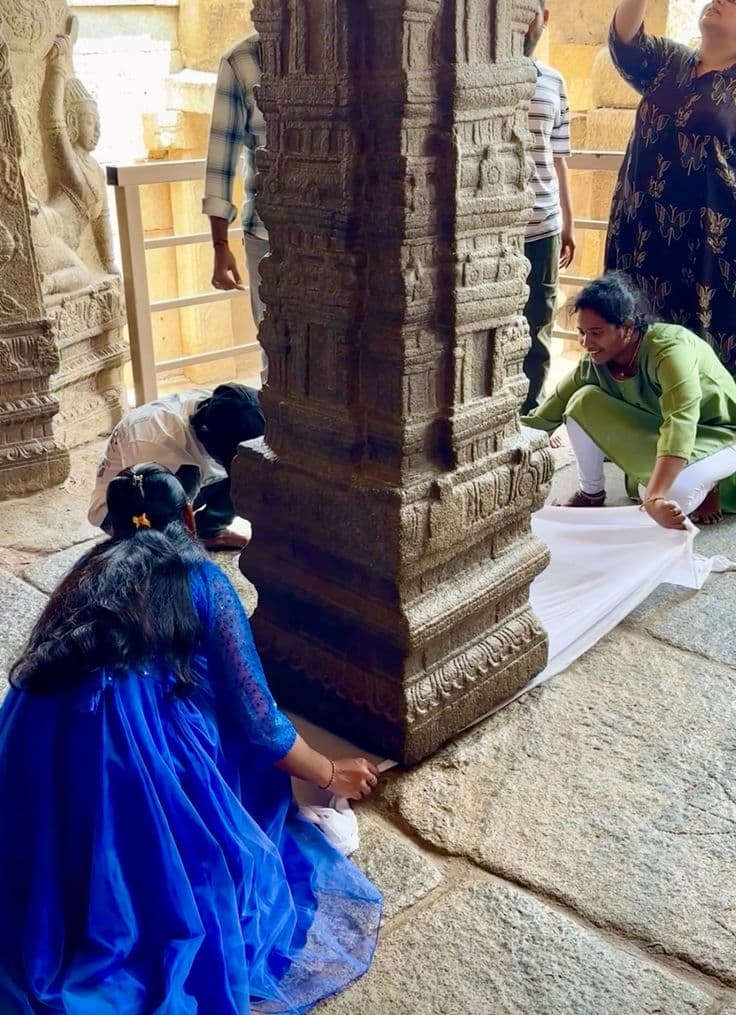
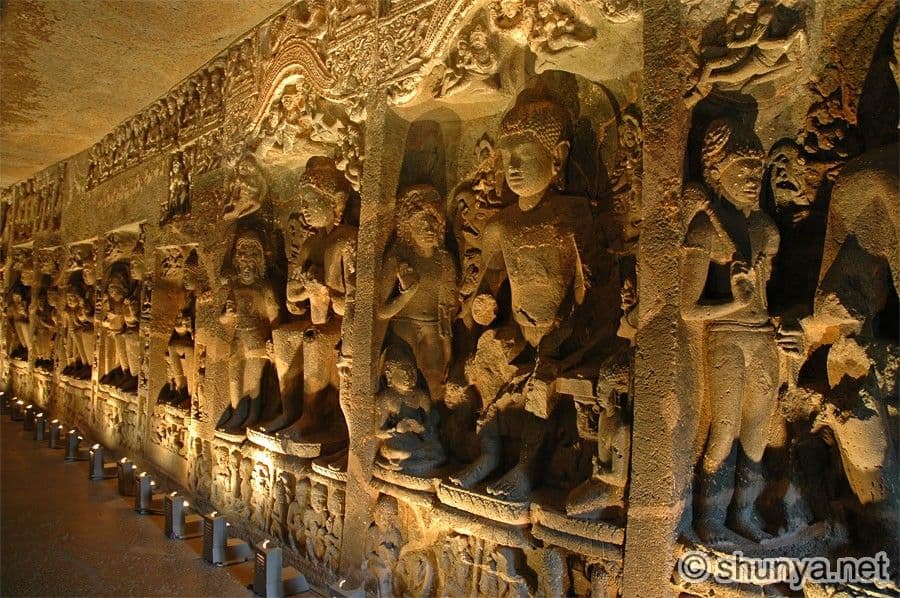
The pigments were ground from hematite (red), manganese (black), kaolin (white) and rare geru (yellow ochre) — minerals that bond chemically with the silica in the sandstone. Each painting is therefore not painted on the rock; it is painted into the rock. Compare this to the lime-mortar frescoes of Ajanta (which need active conservation) or the vegetable-dye murals of Lepakshi (now severely faded), and the durability of Bhimbetka becomes obvious. Modern weathering — graffiti, water seepage and human touch — is the main threat today, which is why the most fragile shelters are roped off and visitors must follow the marked trail.
Combining Bhimbetka with central India's ancient triangle
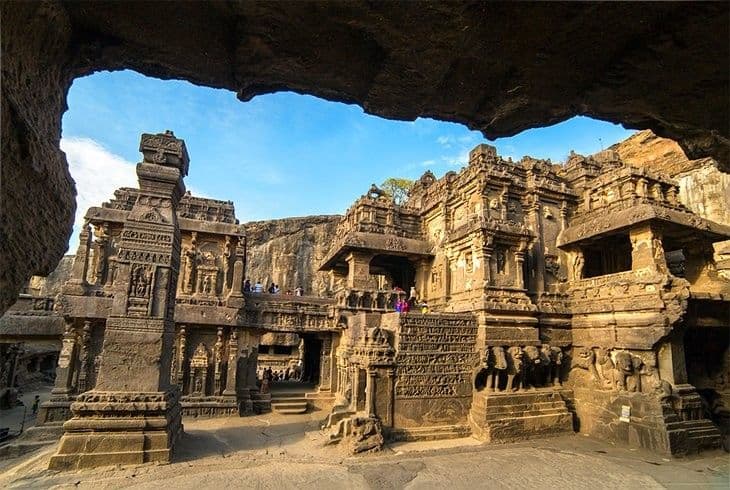
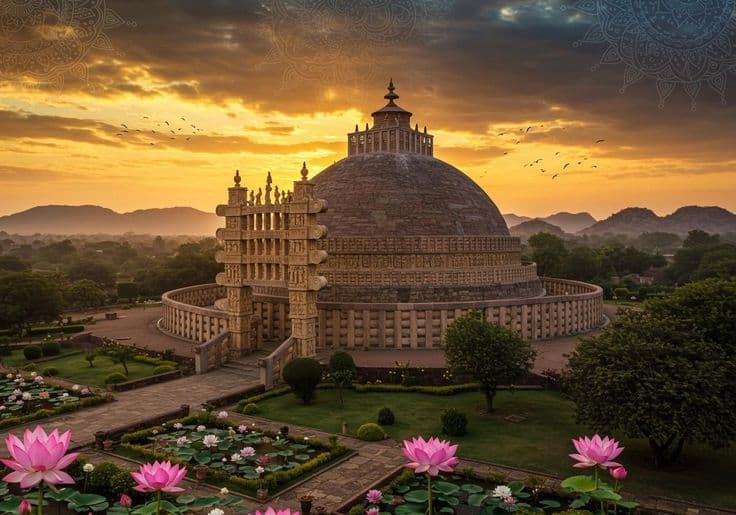
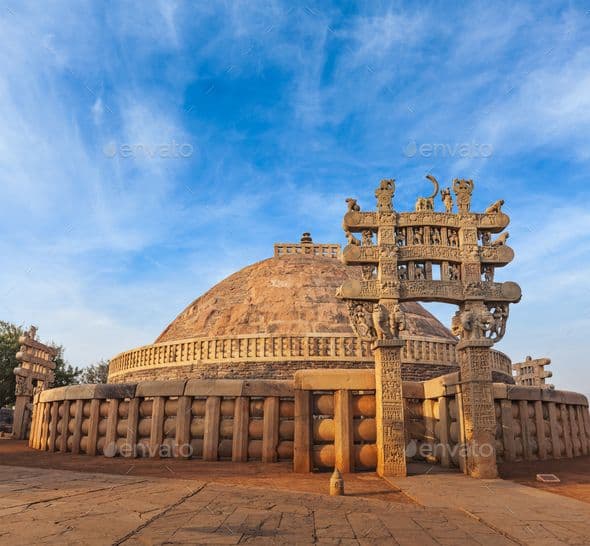
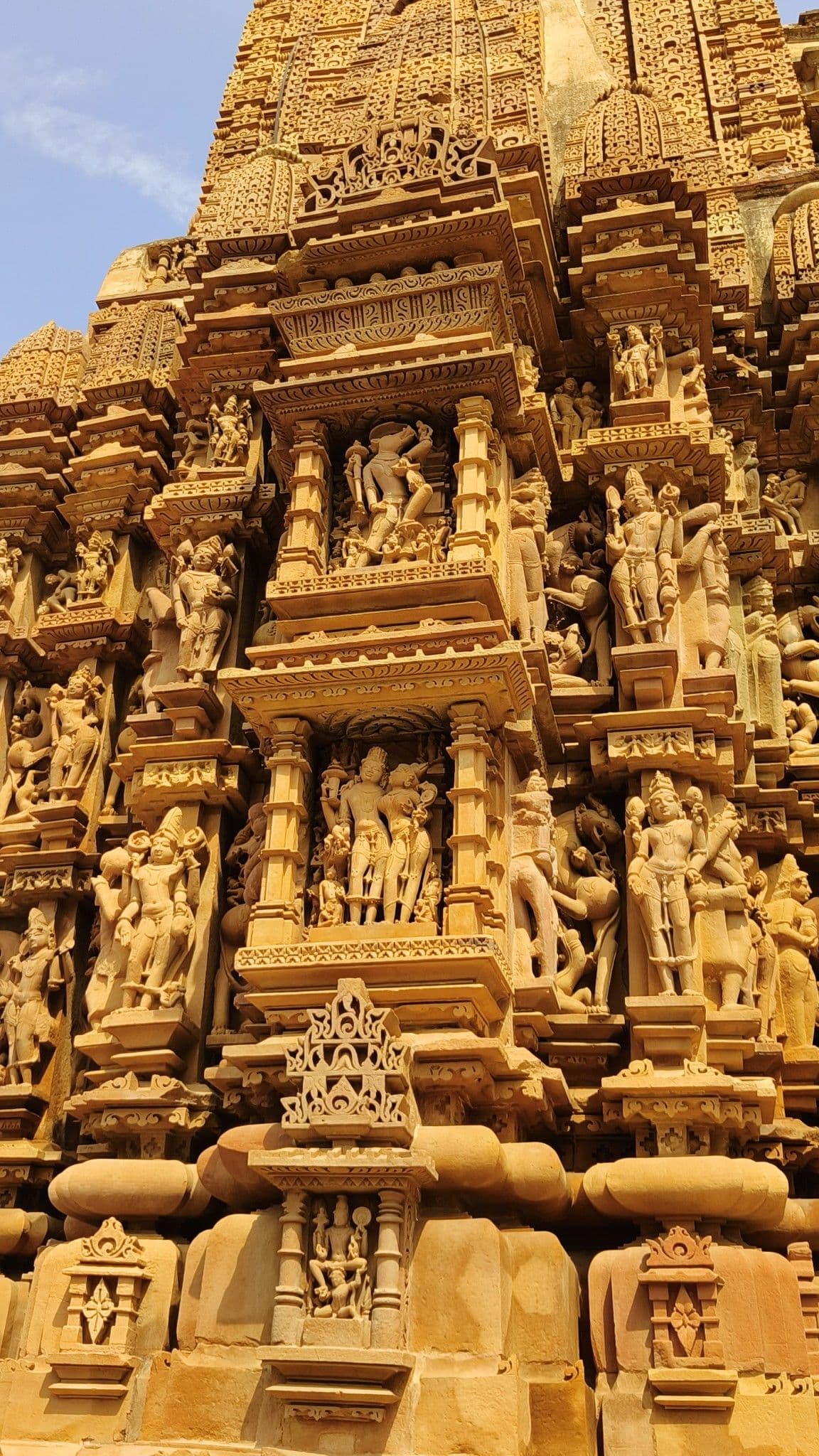
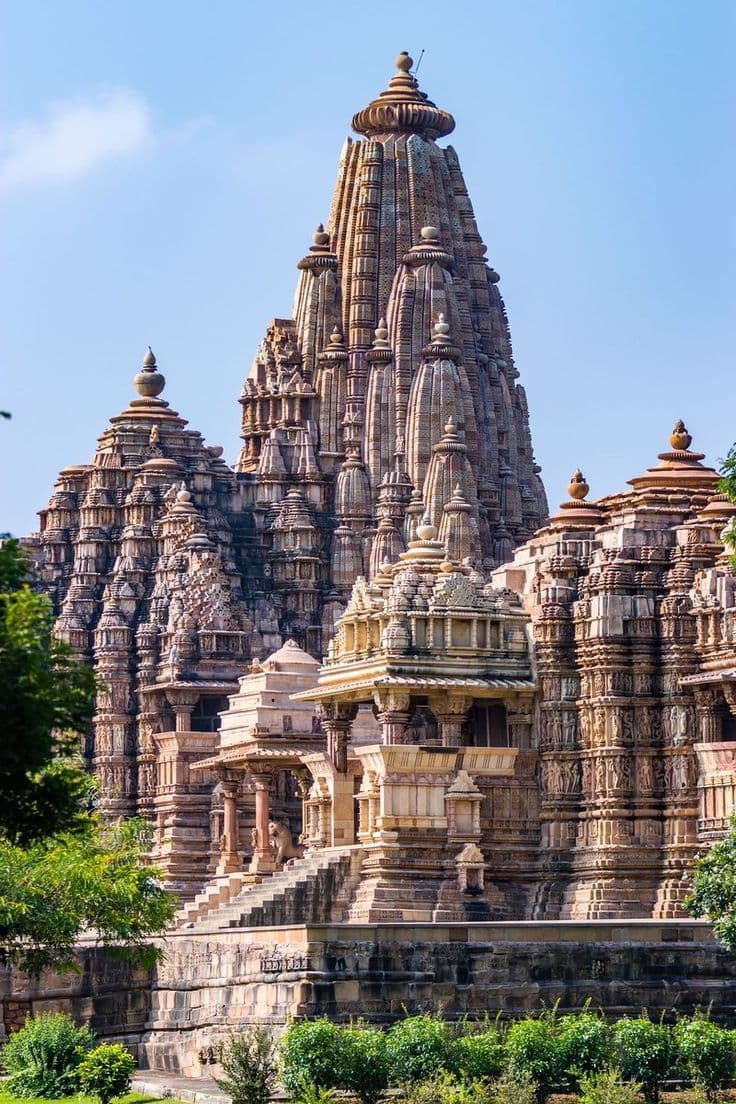
Bhimbetka is the prehistoric corner of central India's three-way heritage triangle. North-east, 90 km, lies the Sanchi Stupa (3rd century BCE Buddhist pilgrimage site, also UNESCO). North-west, 30 km, is the giant unfinished Bhojpur Shiva linga (11th century, the largest single linga in India). Bhopal is the natural base — the Birla Museum's prehistoric gallery has full-scale reproductions of the most fragile Bhimbetka panels and is essential context. Travellers heading further can pair this triangle with Khajuraho (350 km east) and the Ajanta–Ellora caves (550 km south-west). Browse all Madhya Pradesh destinations or more heritage sites.
“Stand in Auditorium Rock long enough and you realise the human urge to draw on a wall is older than the urge to plant a seed. Art is not a refinement. It is a beginning.”

About the author
Devansh MehtaFood · City
Mumbai-based food and cities writer who treats every neighbourhood as an eating route, mapping Indian metros one street stall at a time.
More from Devansh MehtaFrequently asked questions
- Where is Bhimbetka and how do I get there?
- Bhimbetka is in Raisen district, Madhya Pradesh, 45 km south-east of Bhopal on NH-46. Bhopal is the nearest airport (45 km, 1 hour by road) with flights from Delhi and Mumbai. Obaidullaganj is the nearest railway station, 7 km away. Most visitors hire a taxi from Bhopal for a half-day trip.
- How long does a visit take?
- Two to three hours. The marked walking trail covers 15 of the most important shelters and is 1.8 km in total — easy walking but largely unshaded, so go early morning or after 3 p.m. Hire an ASI-approved guide at the entrance (₹500/group) — most of the best paintings are easy to miss without one.
- Can I touch the paintings?
- No. Even hand oils accelerate weathering. The most fragile shelters are physically roped off, and a modest entry fee (₹40 Indians, ₹600 foreigners as of 2025) funds the on-site conservators. Photography is permitted; flash is strictly prohibited.
Discover India
Planning a trip to India?
Most of our editors live and travel across India. Here are some of the destinations and stories worth bookmarking before you go.