Night one: learning the geometry of a houseboat
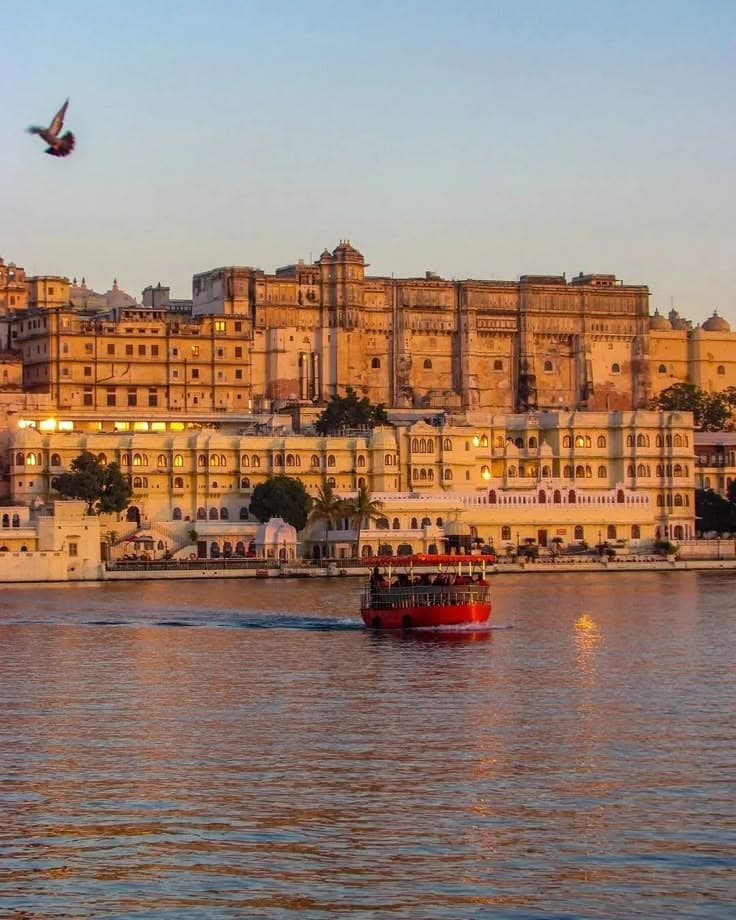
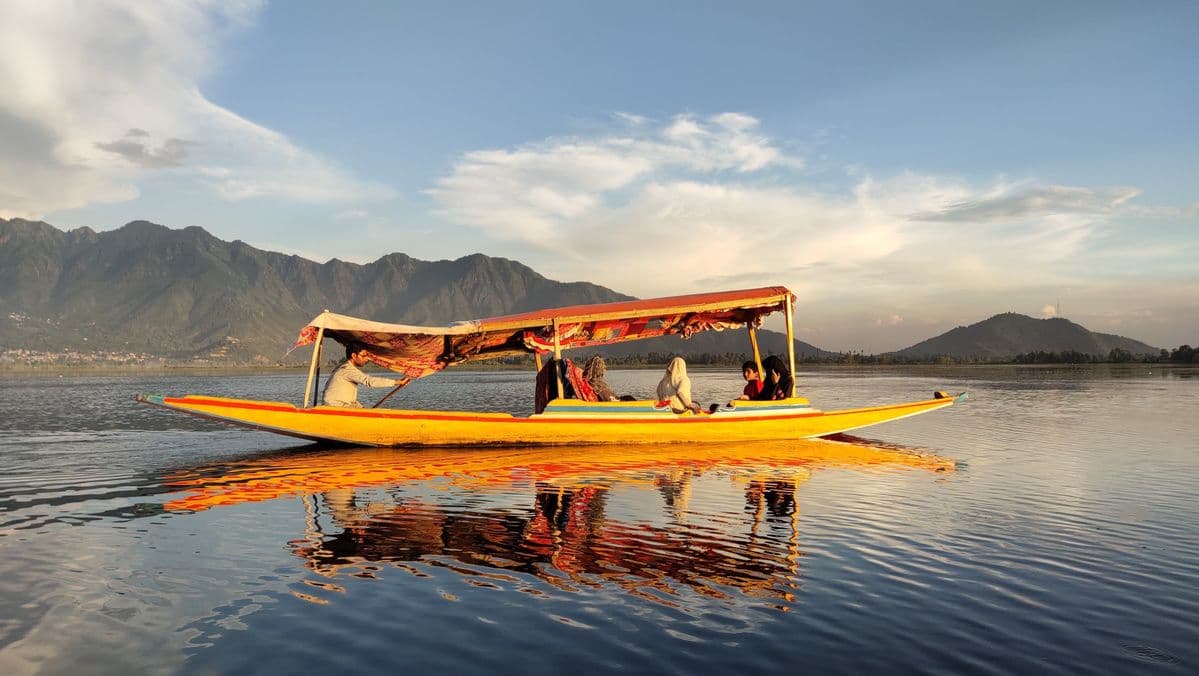
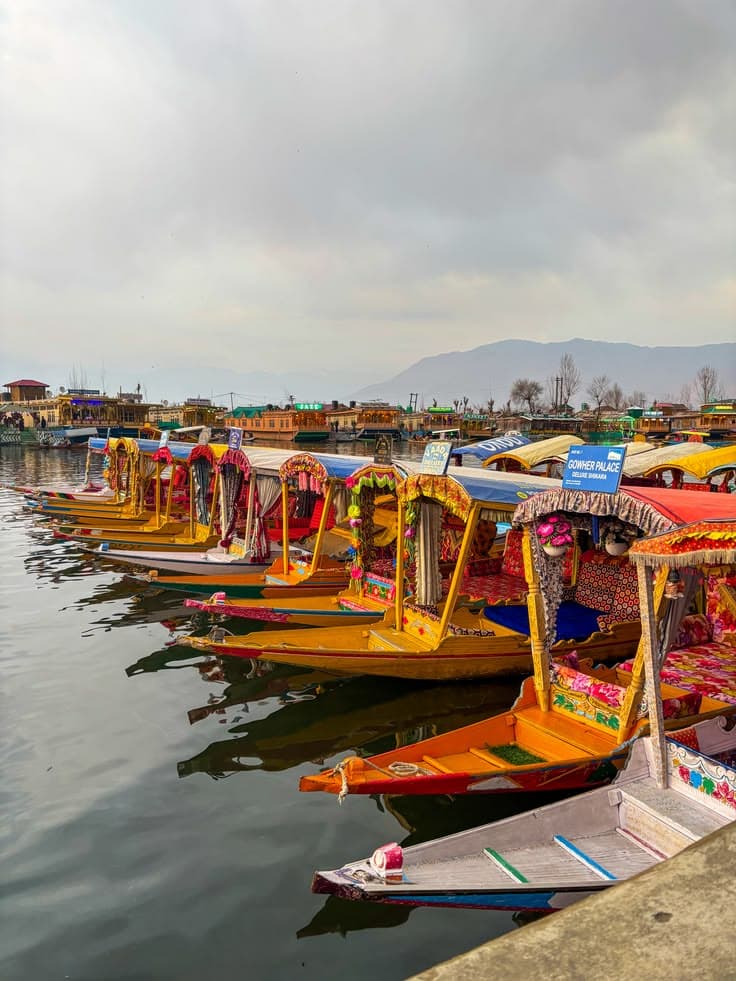
A Kashmiri houseboat is an architectural paradox. Thirty metres of cedar, walnut and Persian carpet, anchored to a lake bed, with balconies that sway half a degree every time a breeze passes. The form was an accident of policy. Dogra Maharajas in the 1880s forbade outsiders from owning land in the valley, so enterprising British colonels commissioned floating residences that could be built, furnished and inhabited without a single land deed. The Lady Churchill, built in 1884, still takes guests; her chinar-wood dining-room ceiling has been polished weekly for 142 years. Each houseboat is paired with its own shikara and oarsman, turning the lake into a private driveway — 7 a.m. to the floating vegetable market in Rainawari, dusk to the Nishat Bagh ghats, silver-trimmed returns lit only by samovar steam in the bow.
Emperor Jahangir, trailing his Mughal entourage across the Pir Panjal in 1620, is said to have looked out across the valley for the first time and murmured the Persian couplet that now lives on every postcard: 'If there be paradise on earth, it is here, it is here, it is here.' Four centuries on, the valley keeps trying to honour that sentence — sometimes living up to it, sometimes breaking it. But on a cedarwood shikara gliding across Dal Lake at 6 a.m., with the Zabarwan snow turning pink above and a Kashmiri grandmother ferrying lotus roots past your elbow, paradise stops feeling like hyperbole. It feels like a quiet fact.
The Mughal gardens — four hundred years and still on theme
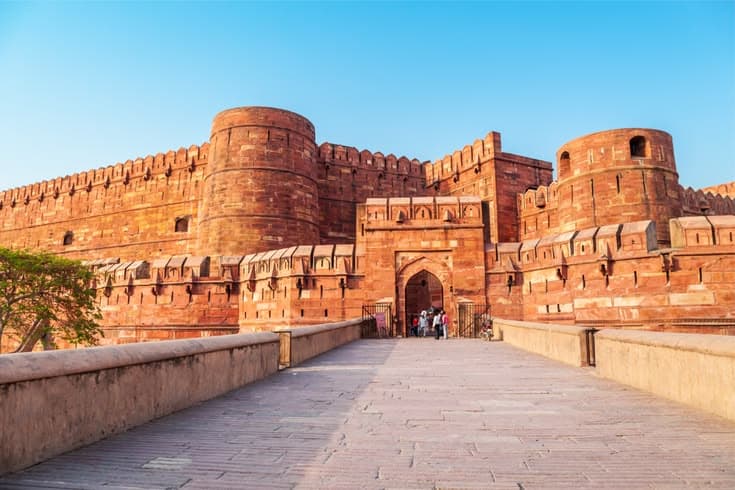
Four gardens rim the Dal. Each is a Persian-charbagh template laid out by the Mughals in the 17th century. Shalimar Bagh (1619, built by Jahangir for his wife Nur Jahan) is the grandest — three rising terraces bisected by a stone water channel, the third terrace once reserved for the royal zenana and barred to all men save the emperor. Nishat Bagh (1633, Asaf Khan, brother of Nur Jahan) carries twelve terraces for the zodiac and a view of Hari Parvat Fort unchanged across four centuries. Water still flows by gravity from a glacial stream. The chinar trees lining the axes were saplings when Shah Jahan rode through on his way to commission the Agra Fort. Which makes them ten human generations old.
Pahalgam and the valley of love songs
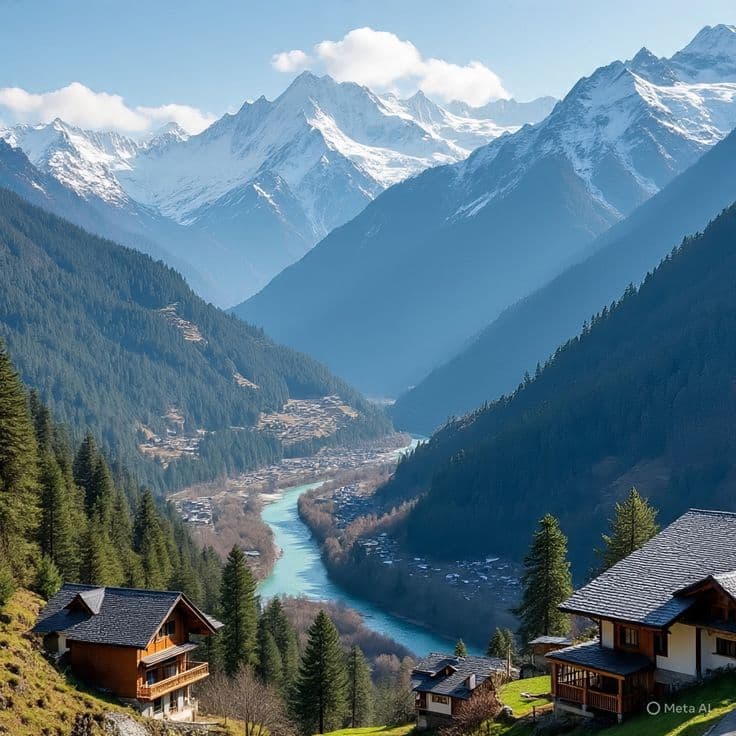
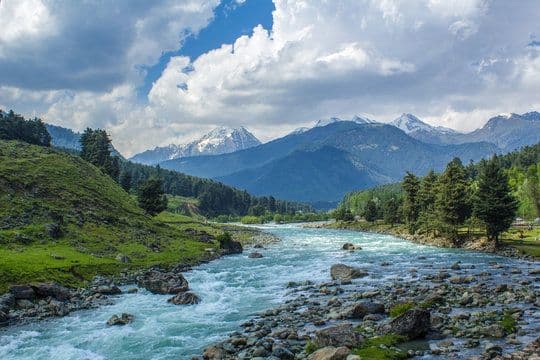
Ninety-five kilometres south-east of Srinagar, the Lidder river picks a shepherd village called Pahalgam to slow down in, braiding into shallow channels between pine-covered knolls. Yash Chopra made this valley famous with Betaab (1983); the adjoining meadow inherited the film's name and turned into Bollywood's mandatory hill-romance backdrop for two decades. For walkers, the draw is the trail network — short rides to Baisaran and Chandanwari, a day hike to the snout of the Kolahoi glacier, and the three-day summer route to Tarsar Marsar, an unbranded alpine lake-duo holding 3,800 metres under a stretched blue tarp of sky. July and August transform the village: 300,000 saffron-clad pilgrims queue for the 48 km walk to the Amarnath cave shrine, one of the subcontinent's great pilgrimages.
Gulmarg: Asia's highest gondola, and why it sometimes breaks your heart
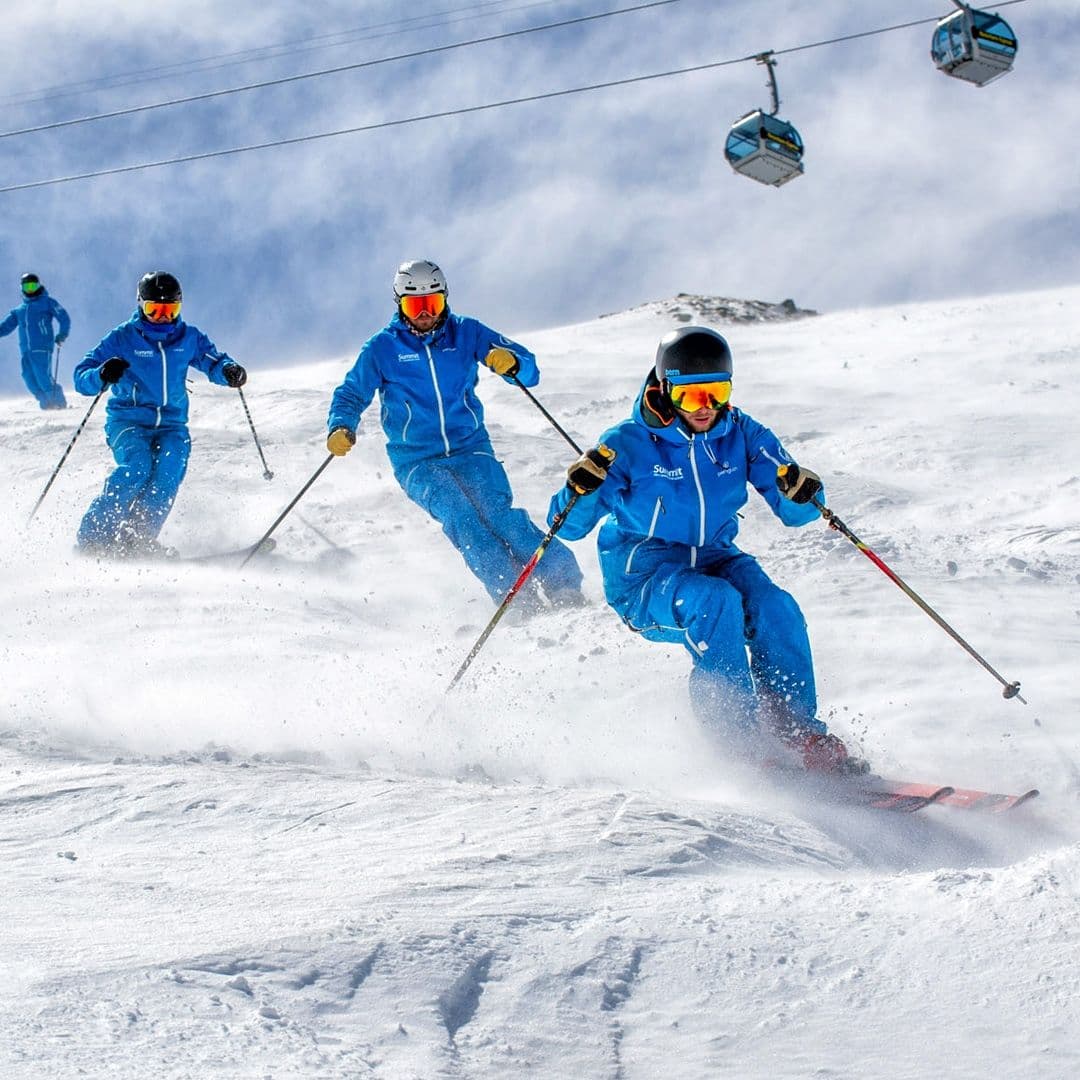
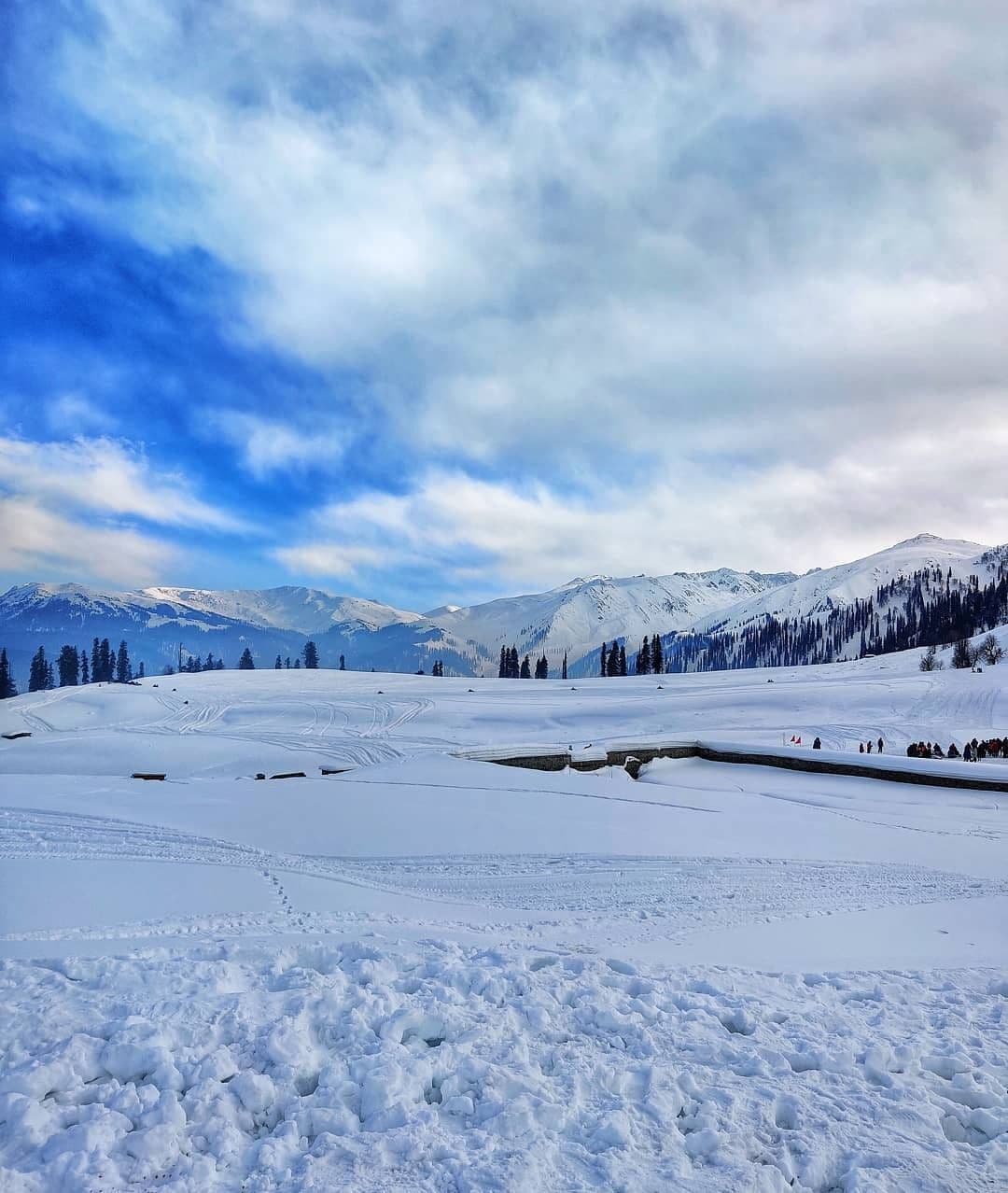
At 2,730 metres, Gulmarg is already a proper ski resort. At 3,980 metres — Apharwat peak, reached by the Phase II gondola — it ranks among the highest lift-served skiable summits on earth, just under Zermatt and above Whistler. Locals will lobby hard for the winter visit. First snow in late November, powder by January, Japanese and French ski photographers arriving on a slow trickle of DGCA charters. The gondola cost ₹750 crore to build, overshot budget by 300%, and shuts for the full day whenever Apharwat winds top 70 km/h. No brochure mentions that. Accept it with a shrug and a cup of kahwa at the village café while you wait.
What to eat, wear, and be careful of
- Wazwan, the 36-course Kashmiri wedding feast, scales down to 7–12 courses at Ahdoo's or Mughal Darbar for about ₹2,500/head — the richest single Indian meal you will encounter.
- Kahwa — saffron tea with almonds and cinnamon, served from brass samovars — is the unofficial currency of hospitality. Refusing a second cup insults the host; accepting a third commits you to lunch.
- Buy Pashmina only from certified outlets in Lal Chowk or Polo View. A real shawl passes through a wedding ring, weighs under 200 g, and carries a GI-Tag certificate. Anything under ₹3,000 is rayon.
- Dress modestly in Old City Srinagar and near Hazratbal — shoulders, knees and hair covered for women, no shorts for men. The Jamia Masjid is still a working Friday mosque.
- Internet and phone service is periodically restricted by law. Airtel and Jio 4G hold up in Srinagar, Gulmarg and Pahalgam, but Ladakh-bound plans should pre-download offline maps.
Where Kashmir sits in your wider yatra
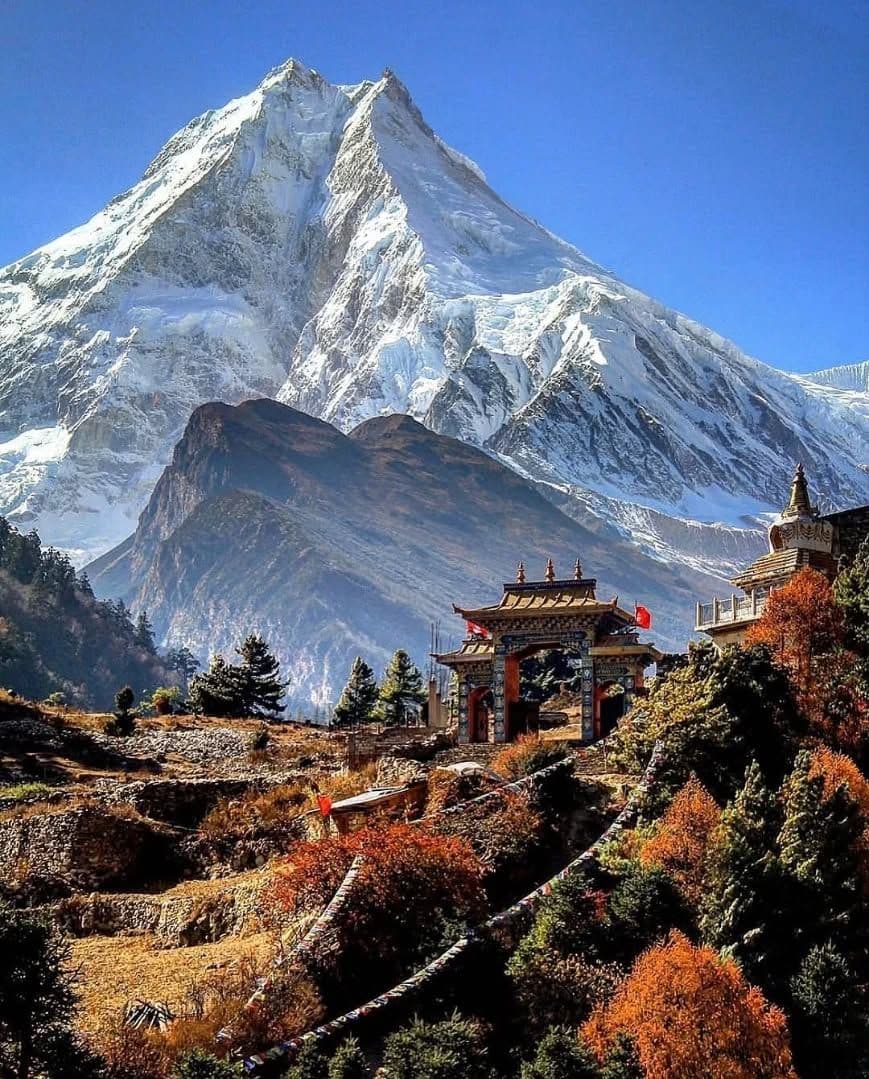
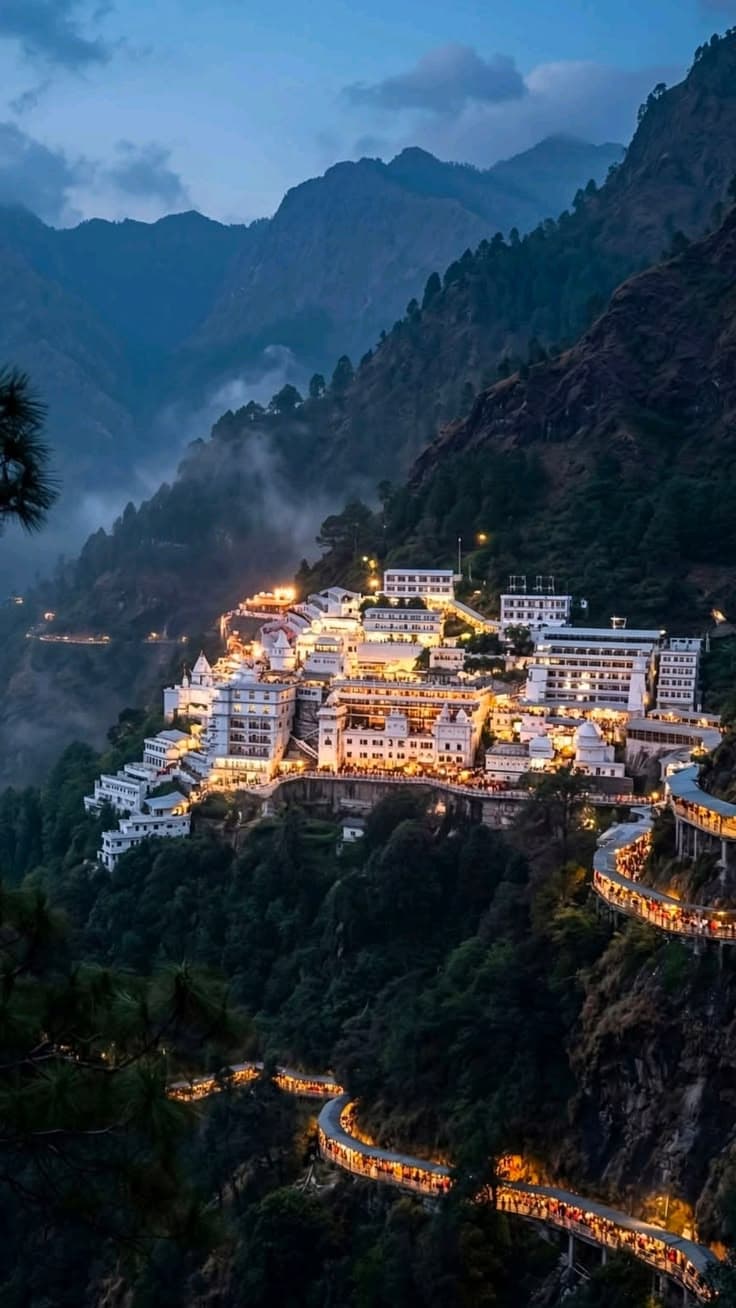
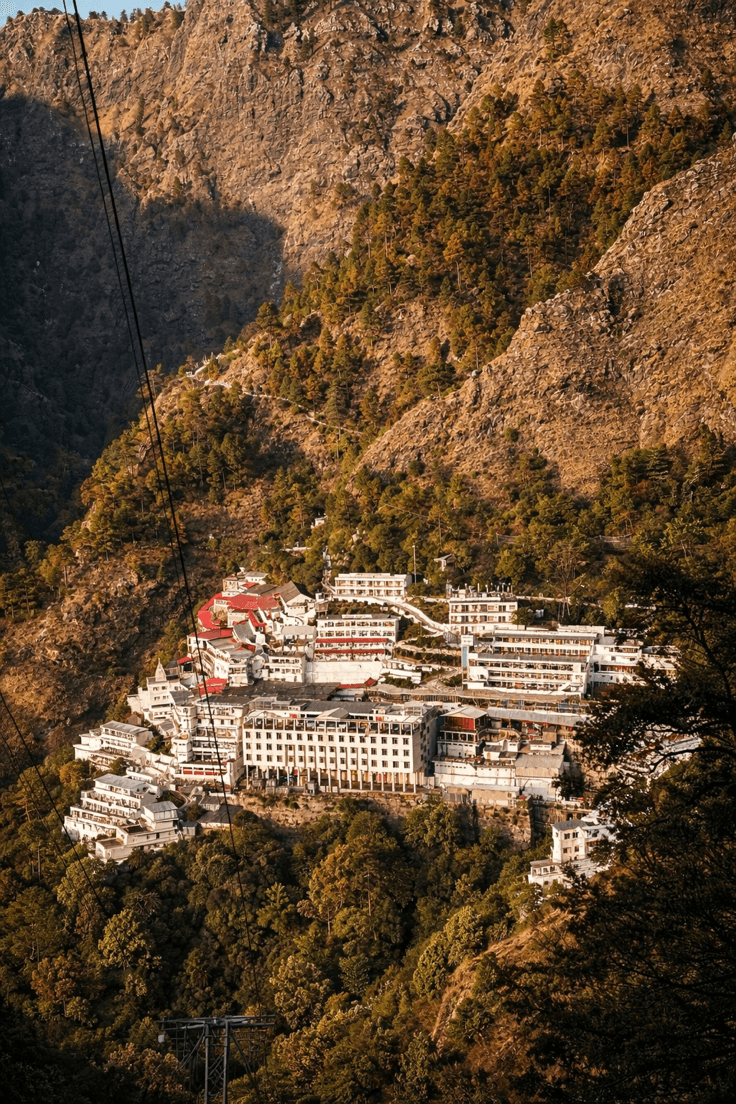
Kashmir threads naturally into a Himalayan circuit. From Srinagar a three-day drive lifts you to Leh and on into the Indus valley monasteries. The alternative is a flight south to combine with Vaishno Devi in Jammu, India's most-visited Hindu shrine. Pilgrimage-arc travellers often pair Kashmir with Amarnath in summer (July–August only) and with Auli skiing in winter. On the classic North India loop, a week here slots cleanly between Amritsar and Spiti. Browse all hill stations for more.
“The first time I came to Kashmir the sky broke open and I thought: this is the secret every Indian grandmother has been trying to tell me. This is why her songs are sad.”

About the author
Priya ThomasBeach · Family
Kochi-based writer mapping family-friendly beaches, backwater stays and slow South Indian itineraries for parents who refuse to stop travelling.
More from Priya ThomasFrequently asked questions
- Is Kashmir safe for tourists in 2026?
- Srinagar, Gulmarg and Pahalgam have been peaceful and heavily visited since 2022. The Indian government issues a daily advisory; check the MEA portal before travelling. Do NOT travel independently to the LOC areas or border districts (Uri, Kupwara, Machil). The main tourist corridor — airport, Dal Lake, Gulmarg, Pahalgam, Sonmarg — is actively secured and hotel occupancy sits above 80% in peak season.
- How many days should I spend in Kashmir?
- Six days is the sweet spot. Two on a Dal Lake houseboat with a day trip to the Mughal gardens, one for Gulmarg (gondola and skiing/tobogganing depending on season), two for Pahalgam (Betaab, Aru, a short trek), and one flexible day for either Sonmarg glaciers or the Srinagar old-city silver-and-papier-mâché bazaars.
- Is the Amarnath Yatra a reasonable add-on?
- Only if you book months ahead and are physically fit — the trek from Pahalgam is 48 km over 3–4 days at altitudes up to 3,888 m. Registration is mandatory (shriamarnathjishrine.com). Helicopter from Baltal to Panjtarni (₹3,000) shortens it to a single day. The cave is open only for 45–60 days in July–August; check the annual yatra dates before building your itinerary.
Discover India
Planning a trip to India?
Most of our editors live and travel across India. Here are some of the destinations and stories worth bookmarking before you go.