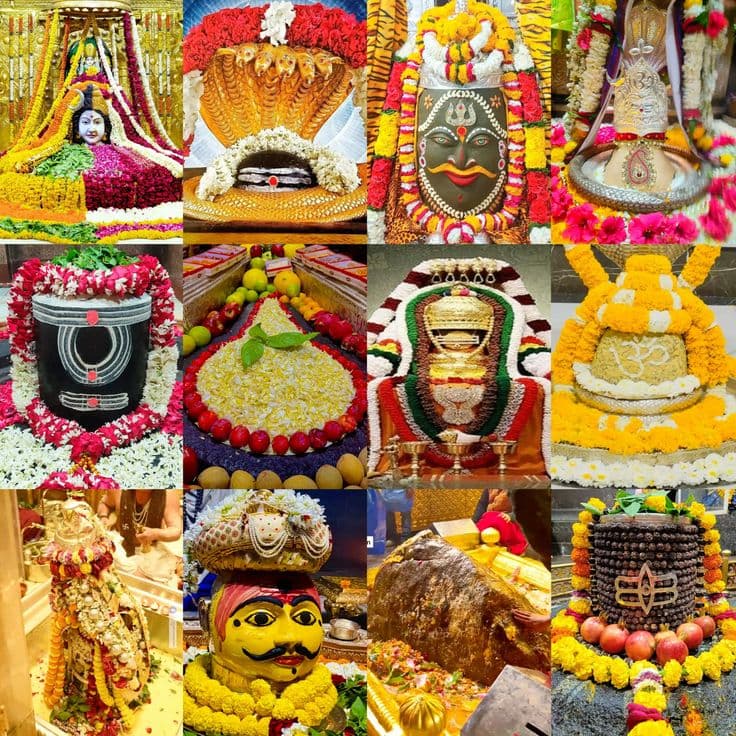
🙏

48 destinations · 23 states

Famous Temples & Pilgrimage Places in India

Spiritual India at its richest — Varanasi, Tirupati, Rameshwaram, Golden Temple, Kedarnath, Badrinath, Vaishno Devi and Shirdi. Explore the most famous temples and pilgrimage sites in India.

🙏 Best of Pilgrimage

Top 48 Pilgrimage Destinations in India
Golden Temple, Punjab
1
4.9

Golden Temple

Punjab · October to March

Also called Harmandir Sahib. Sikhism's foremost spiritual site.

Read Golden Temple travel guide →
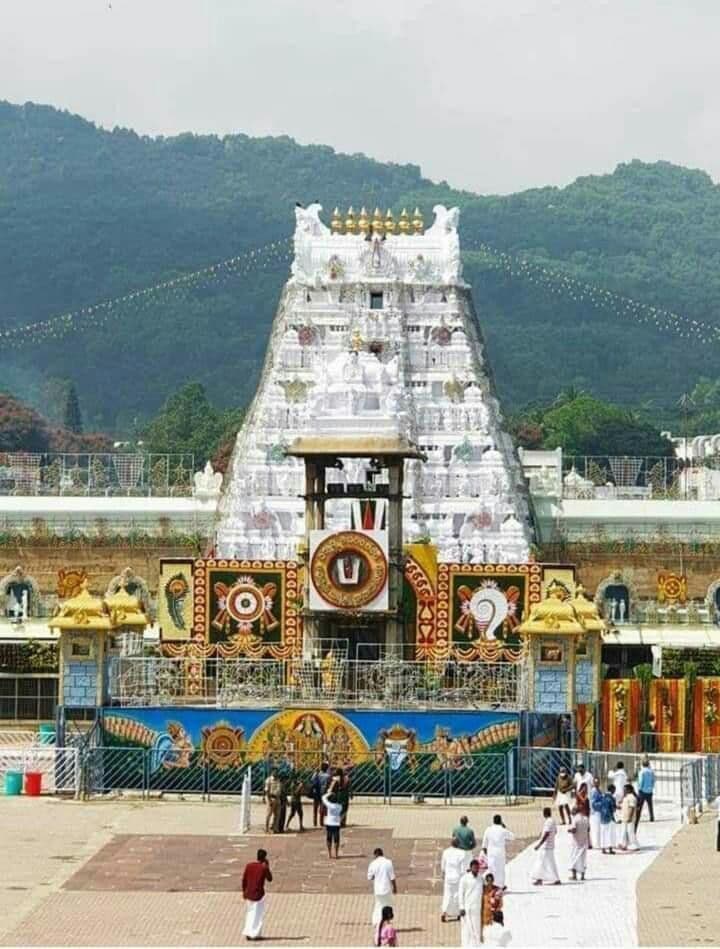
Tirupati Balaji Temple, Andhra Pradesh
2
4.9

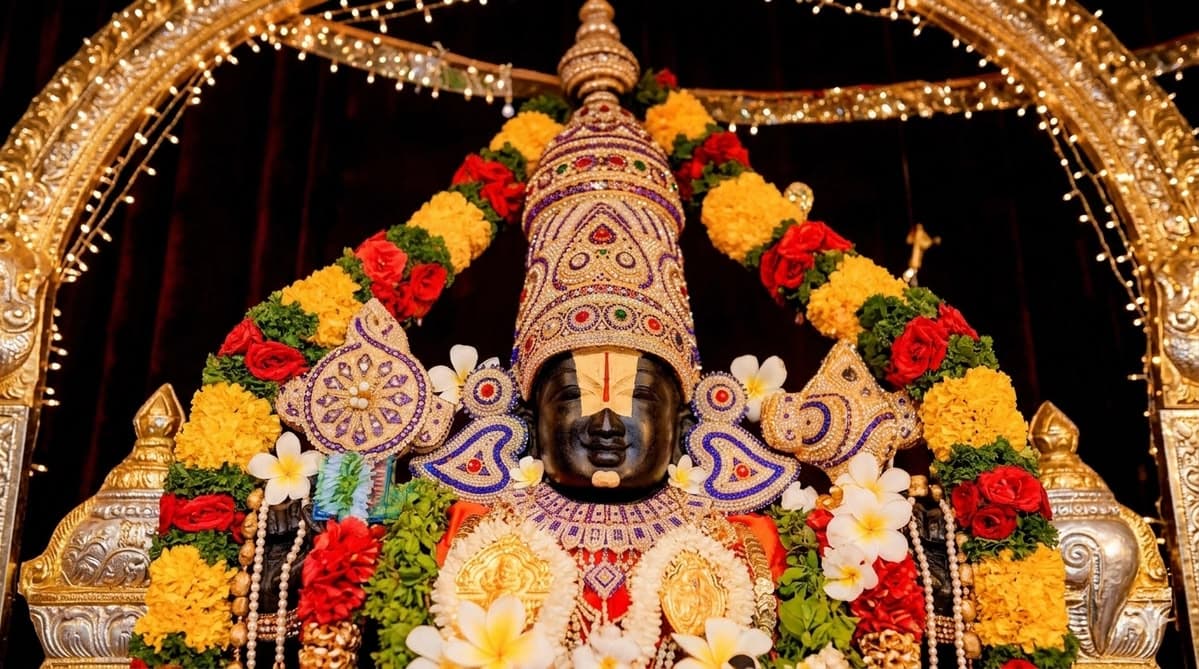
Tirupati Balaji Temple

Andhra Pradesh · September to February

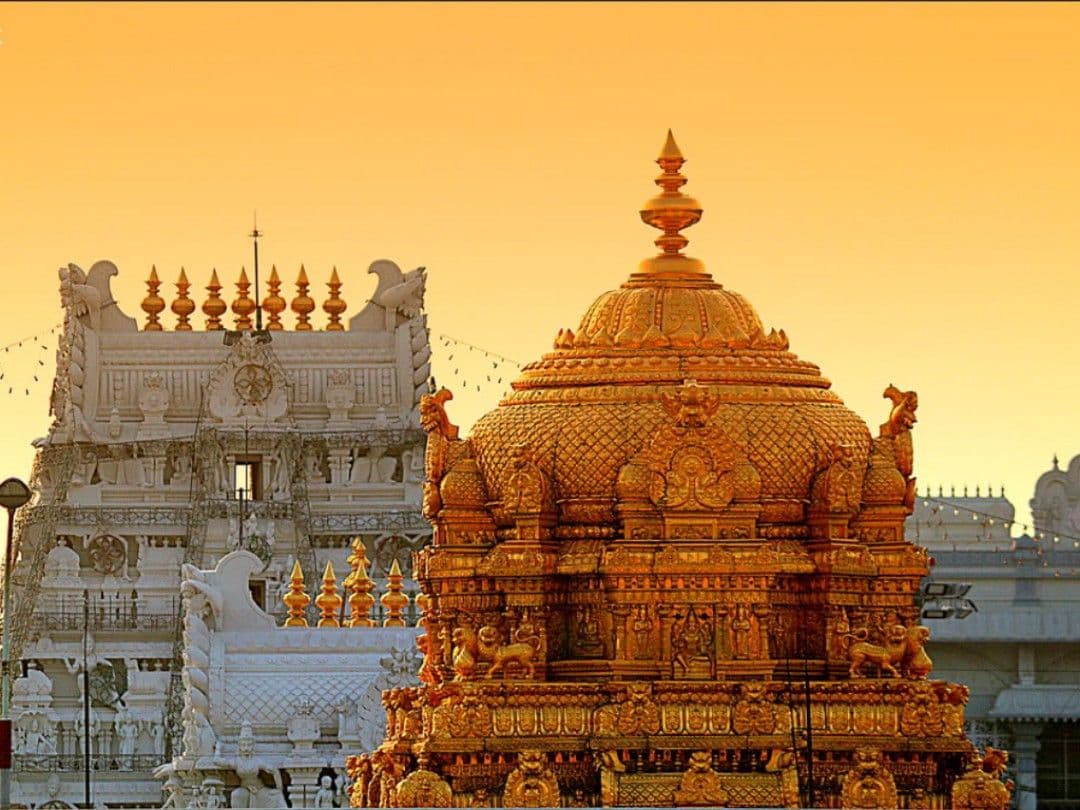
The world's most visited Hindu temple. Thirty million pilgrims a year climb the seven hills of Tirumala for darshan of Venkateswara — the deity whose treasury outranks any church or cathedral on earth.

Read Tirupati Balaji Temple travel guide →
Vaishno Devi, Jammu and Kashmir
3
4.8

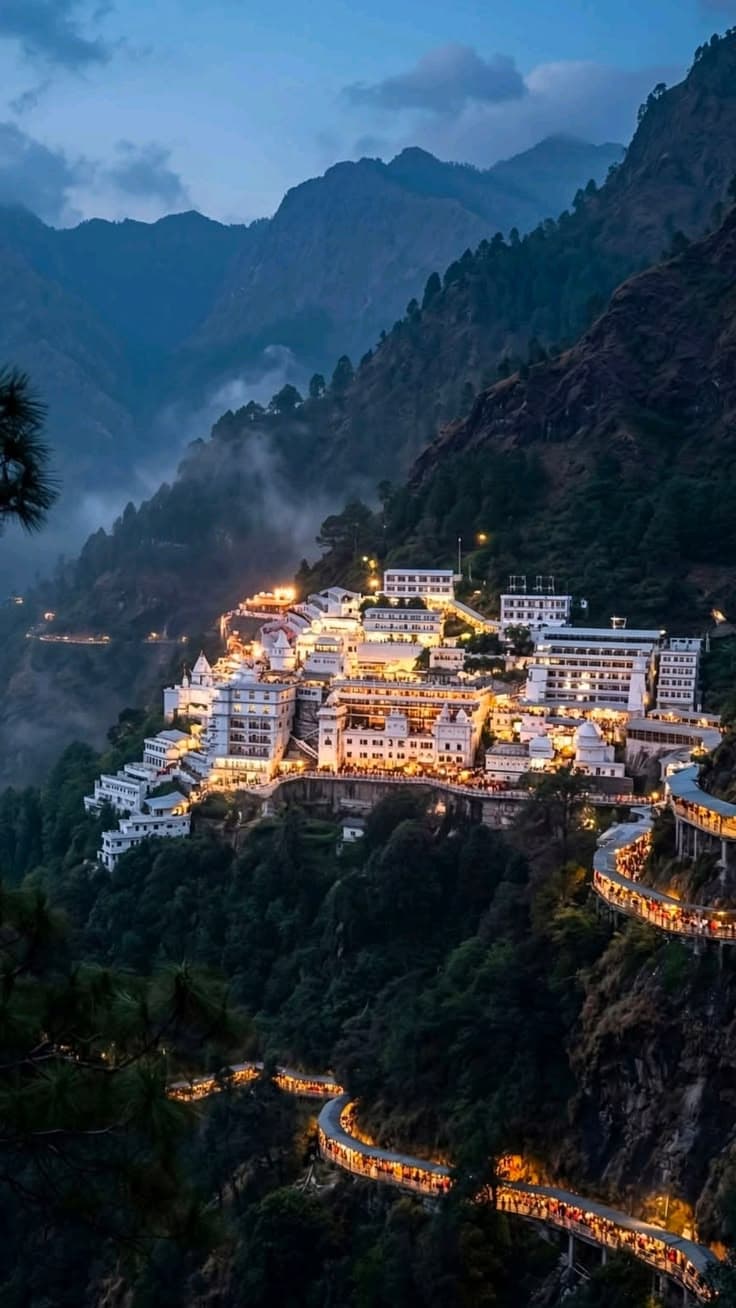
Vaishno Devi

Jammu and Kashmir · March to October

The cave shrine to the Mother Goddess sits at 5,200 ft in the Trikuta range, reached by a 12 km pilgrim trail from Katra. One of the 108 Shakti Peethas. Roughly 26,000 pilgrims arrive daily, making it the most-visited Hindu shrine after Tirupati.

Read Vaishno Devi travel guide →
Varanasi Ghats, Uttar Pradesh
4
4.8

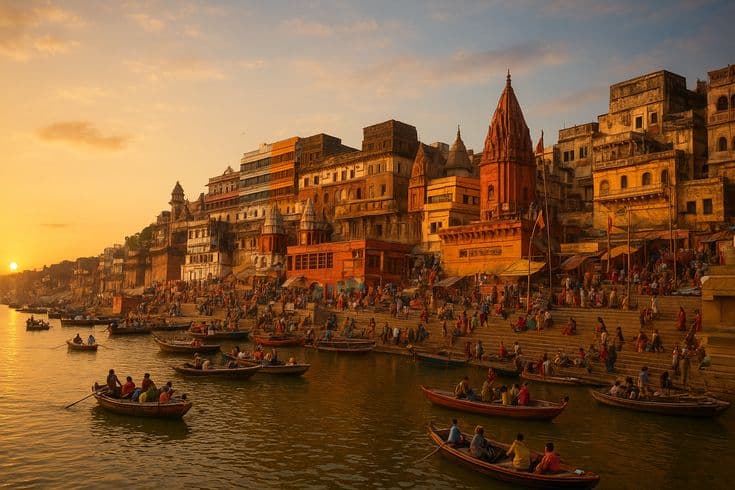
Varanasi Ghats

Uttar Pradesh · October to March

Long terraces of stone-slab steps drop down the Ganga bank. Pilgrims gather at dawn and dusk for ritual ablutions.

Read Varanasi Ghats travel guide →
Lotus Temple, Delhi
5
4.8

Lotus Temple

Delhi · October to March

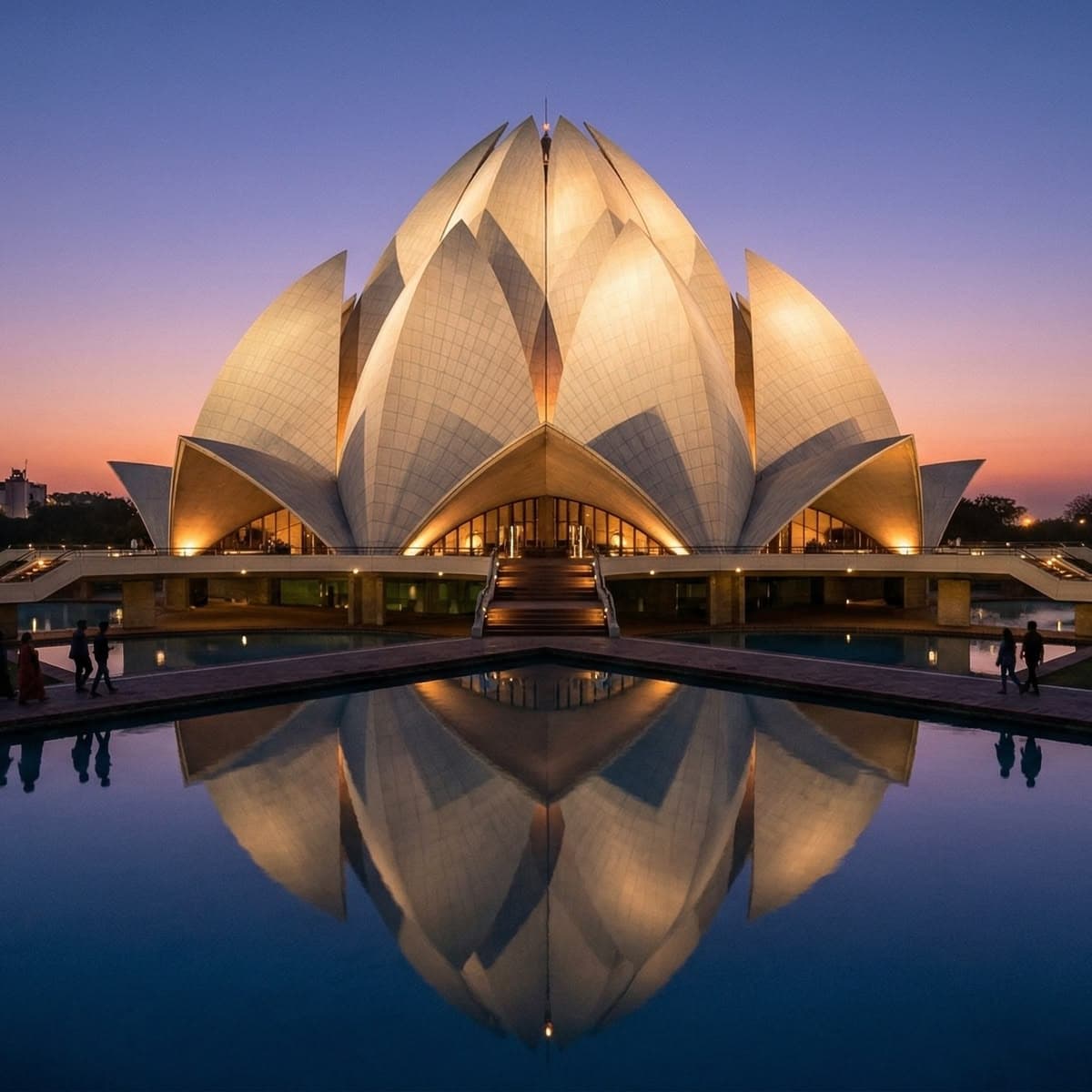
Twenty-seven free-standing marble petals in three concentric clusters of nine. The Bahai House of Worship ranks among the most visited buildings on earth. Every religion welcome. Silent inside. Best seen at dusk.

Read Lotus Temple travel guide →
Jagannath Temple, Puri, Odisha
6
4.8

Jagannath Temple, Puri

Odisha · October to February

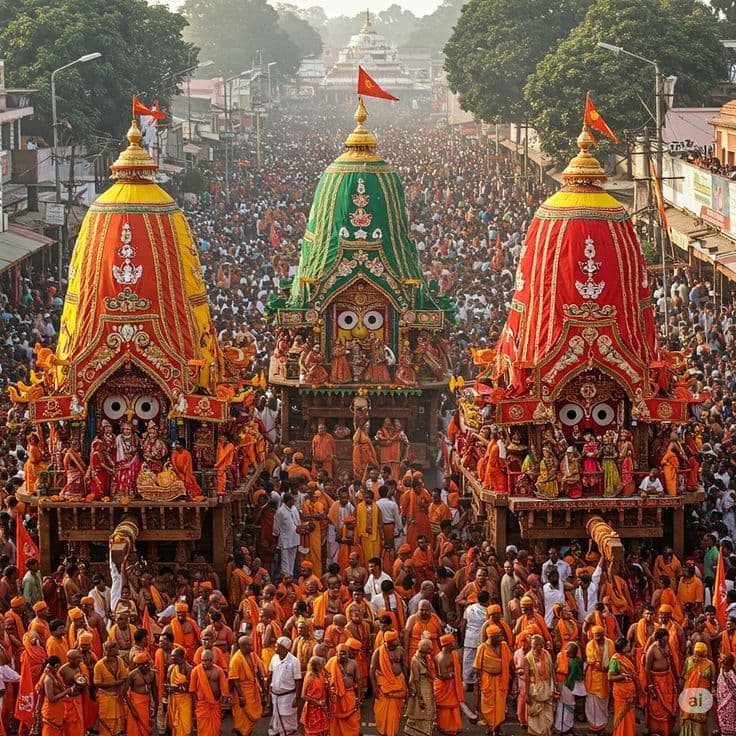
A 12th-century Vaishnavite temple on the Odisha coast. The 65-metre shikhara is visible from across Puri, and the shrine counts as one of the four Char Dhams. Every year the Rath Yatra rolls three 16-wheeled chariots, pulled by 4,000 devotees, down a two-km avenue lined by a million pilgrims.

Read Jagannath Temple, Puri travel guide →
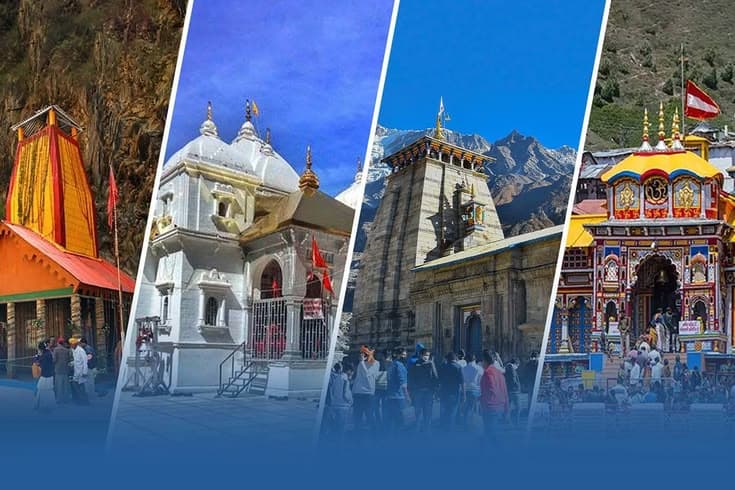
Kedarnath Temple, Uttarakhand
7
4.9

Kedarnath Temple

Uttarakhand · May to June, September to October

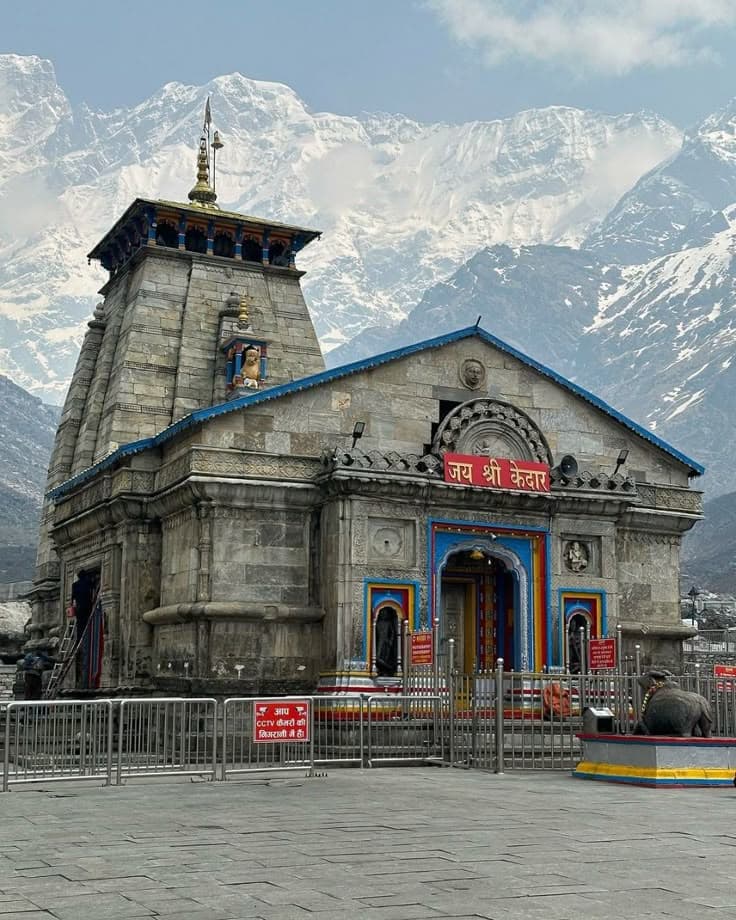
Sixteen kilometres of alpine trail from Gaurikund. On foot or by pony, no other way in. The stone Shiva temple stands at 3,583 metres in the Garhwal Himalayas — one of the twelve Jyotirlingas, and the most remote of the four Char Dham shrines.

Read Kedarnath Temple travel guide →
Rishikesh, Uttarakhand
8
4.7

Rishikesh

Uttarakhand · September to June

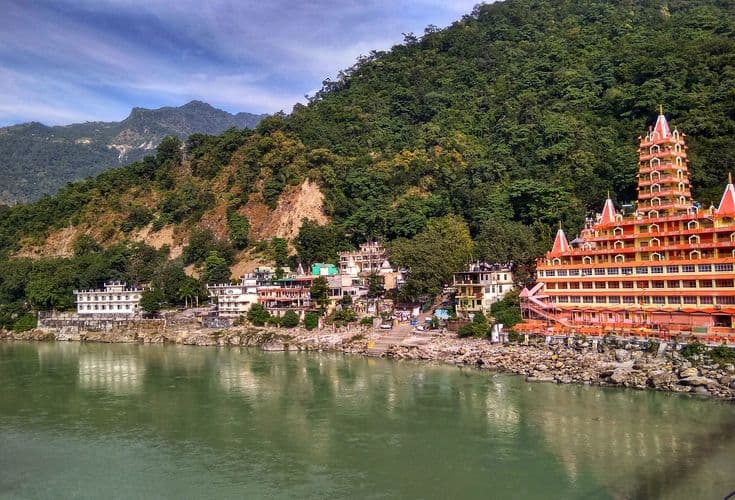
Known as the "Yoga Capital of the World," and the gateway most travellers take into the Himalayas.

Read Rishikesh travel guide →
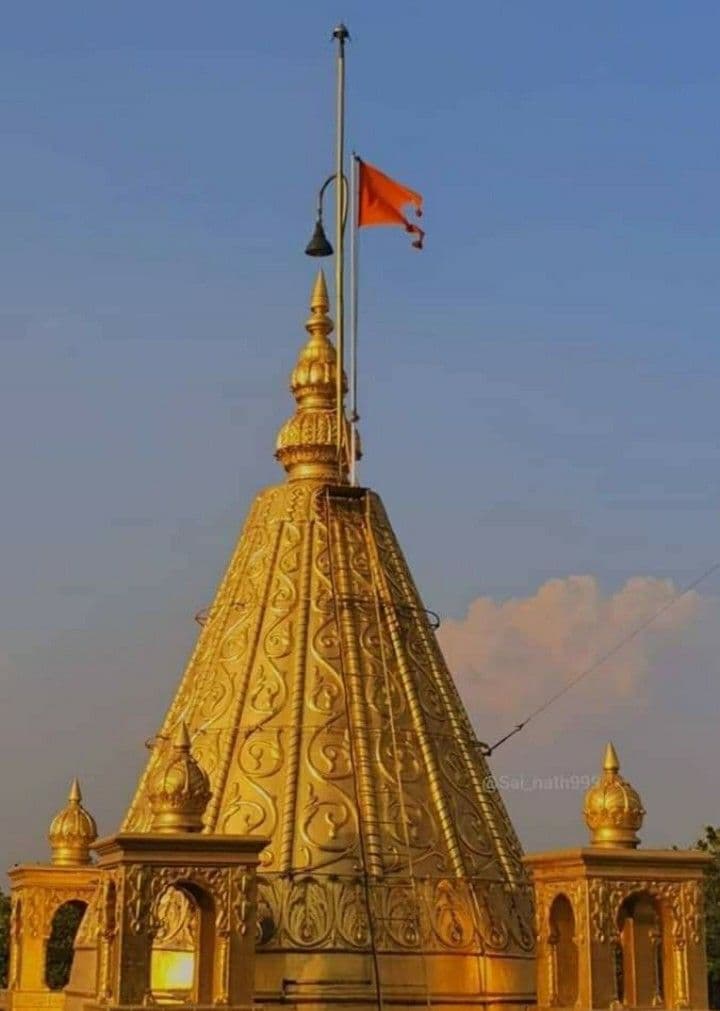
Shirdi Sai Baba Temple, Maharashtra
9
4.7

Shirdi Sai Baba Temple

Maharashtra · October to March

Samadhi shrine of Sai Baba, the 19th-century fakir whose teaching — 'Sabka Malik Ek', one God for all — still draws around 60,000 devotees a day. They arrive from every religion at this small village in Ahmednagar district. The marble idol sits directly above the grave Baba himself chose.

Read Shirdi Sai Baba Temple travel guide →
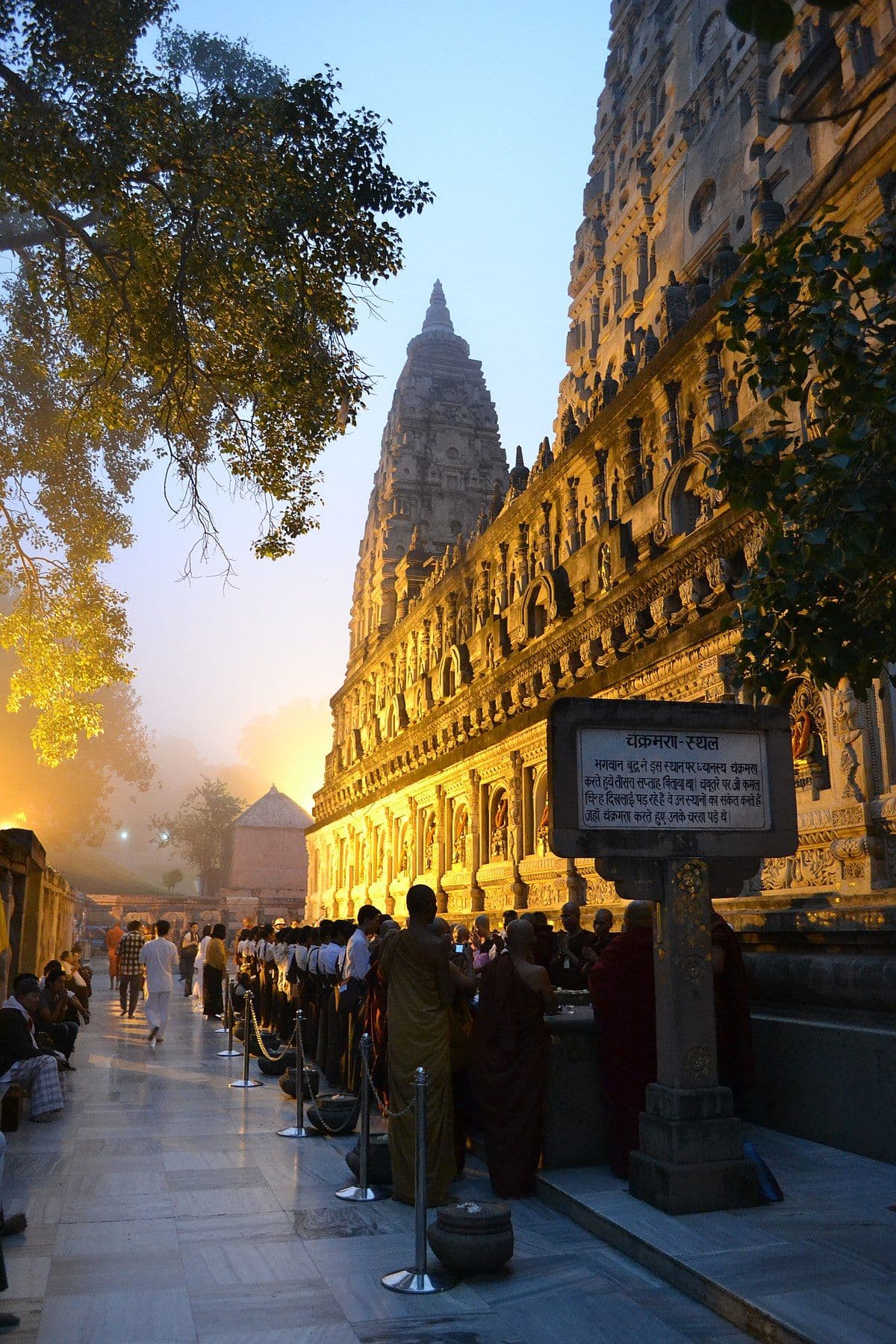
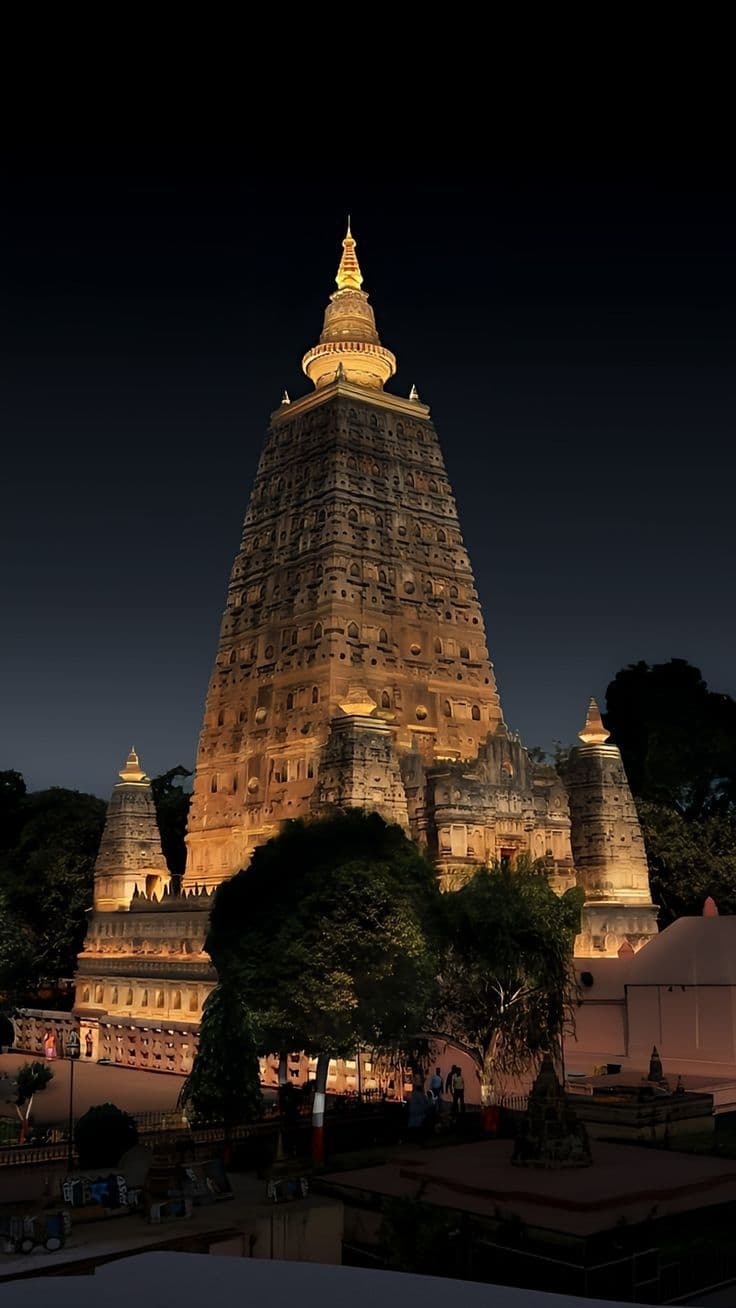
Mahabodhi Temple, Bodh Gaya, Bihar
10
4.9

Mahabodhi Temple, Bodh Gaya

Bihar · October to March

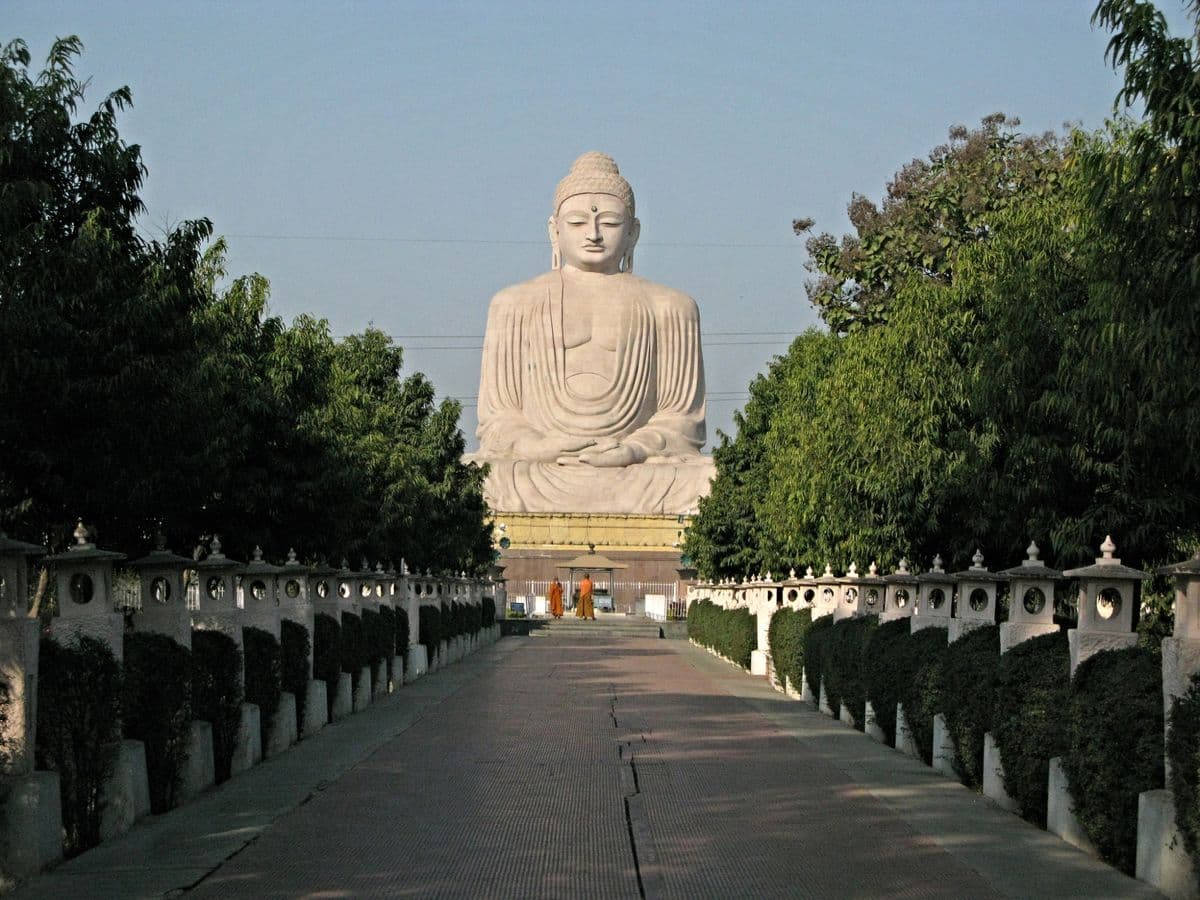
Siddhartha Gautama attained enlightenment beneath the Bodhi tree here in 528 BCE and became the Buddha. The UNESCO-listed complex is the single most sacred site in Buddhism.

Read Mahabodhi Temple, Bodh Gaya travel guide →
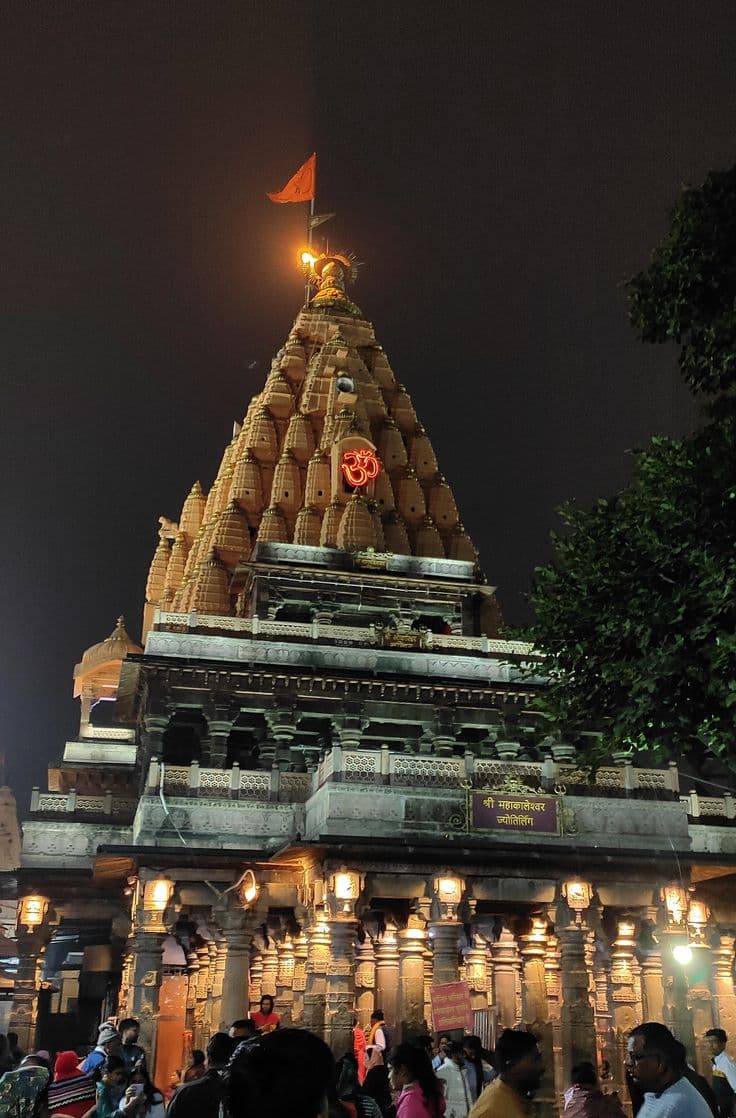
Mahakaleshwar Temple, Ujjain, Madhya Pradesh
11
4.8

Mahakaleshwar Temple, Ujjain

Madhya Pradesh · October to March

South-facing Shiva shrine on the Rudra Sagar in ancient Avanti. One of the twelve Jyotirlingas, and the only one with a Swayambhu (self-manifested) lingam. The 4 a.m. Bhasma Aarti is the draw — no other major Indian temple opens the day by bathing the lingam in cremation-ground ash.

Read Mahakaleshwar Temple, Ujjain travel guide →
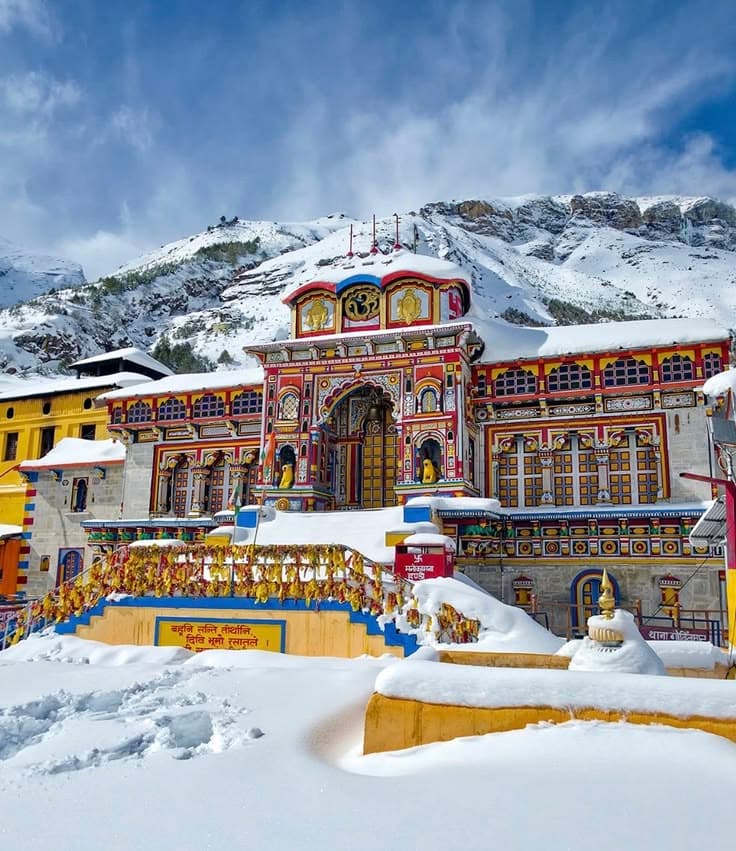
Badrinath Temple, Uttarakhand
12
4.8

Badrinath Temple

Uttarakhand · May to June, September to October

Vermilion and gold paintwork mark this Vishnu shrine at 3,133 metres in the Garhwal Himalayas. Neelkanth peak rises directly behind. Below it, the Tapt Kund hot spring bubbles year-round. One of the four Char Dhams. Also counted among the 108 Divya Desams revered by the Tamil Alvar saints.

Read Badrinath Temple travel guide →
Chamundeshwari Temple, Chamundi Hills, Karnataka
13
4.7

Chamundeshwari Temple, Chamundi Hills

Karnataka · October to March

Sati's hair is said to have fallen on the 1,062 m Chamundi Hills overlooking Mysore, making this the fourth peetha of the Ashtadasha. The 12th-century Hoysala-era shrine is the kuladevata of the Wadiyar royal family. Two ways up: 1,008 ancient stone steps, or a winding 13 km road from the city centre.

Read Chamundeshwari Temple, Chamundi Hills travel guide →
Pushkar, Rajasthan
14
4.6

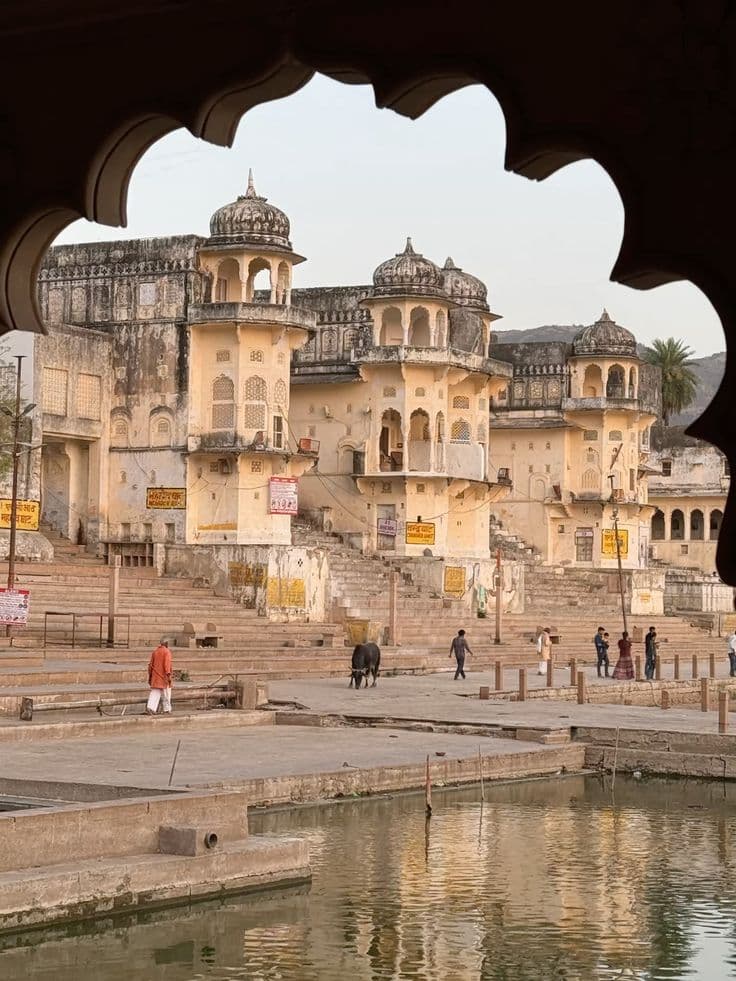
Pushkar

Rajasthan · October to March

The only Brahma temple on earth stands here, ringed by 52 bathing ghats around a sacred Aravali lake. Come November, the camel fair swells the population to 200,000 — a week of folk music, pilgrimage and livestock trading.

Read Pushkar travel guide →
Ramanathaswamy Temple, Rameswaram, Tamil Nadu
15
4.8

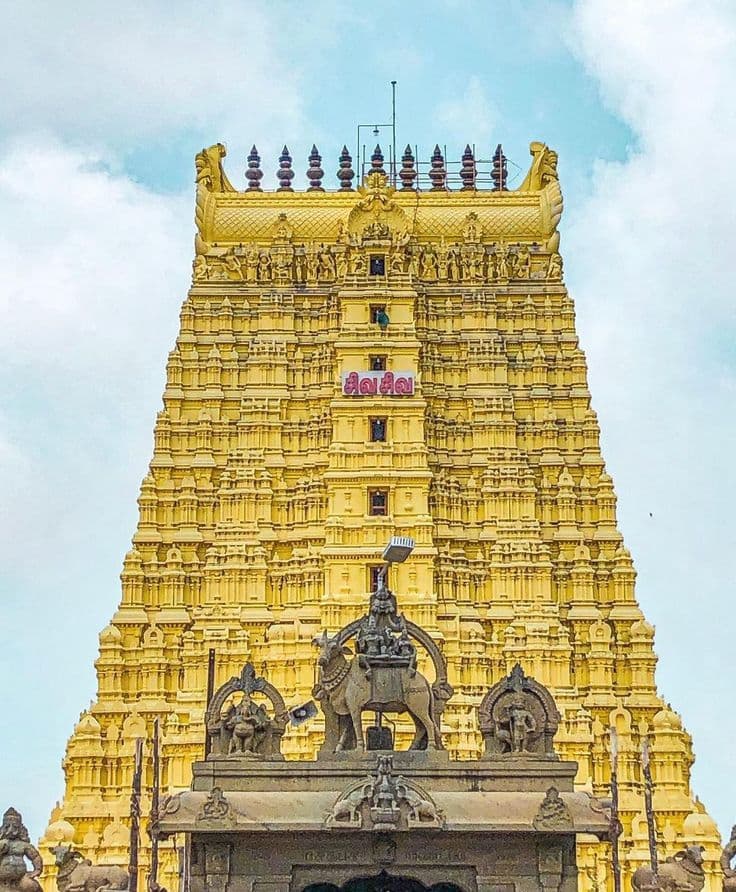
Ramanathaswamy Temple, Rameswaram

Tamil Nadu · October to April

On Pamban Island, a Dravidian Shiva temple sits by the sea with an outer corridor that stretches 1,212 metres past 1,212 pillars — the longest of any temple on earth. One of the twelve Jyotirlingas. One of the four Char Dhams. The Ramayana names this shore as where Rama worshipped Shiva before crossing to Lanka.

Read Ramanathaswamy Temple, Rameswaram travel guide →
Dwarkadhish Temple, Dwarka, Gujarat
16
4.7

Dwarkadhish Temple, Dwarka

Gujarat · October to March

Krishna's 2,500-year-old capital city overlooks the Arabian Sea, crowned by the Jagat Mandir — five storeys, 78 metres tall. Five times daily, the 52-yard flag is replaced, visible from anywhere along the Gomti coast. One of the four Char Dhams, and the seat of the Dwaraka-Sharada Peetham founded by Adi Shankaracharya.

Read Dwarkadhish Temple, Dwarka travel guide →
Kalighat, West Bengal
17
4.5

Kalighat

West Bengal · October to March

Calcutta took its name from this temple — Kali-kshetra, anglicised. Sati's right toe is said to have fallen here, making it a Shakti Peetha and still the most-visited Kali shrine in eastern India. South Kolkata, deep in the bazaar lanes.

Read Kalighat travel guide →
Ajmer Sharif Dargah, Rajasthan
18
4.7

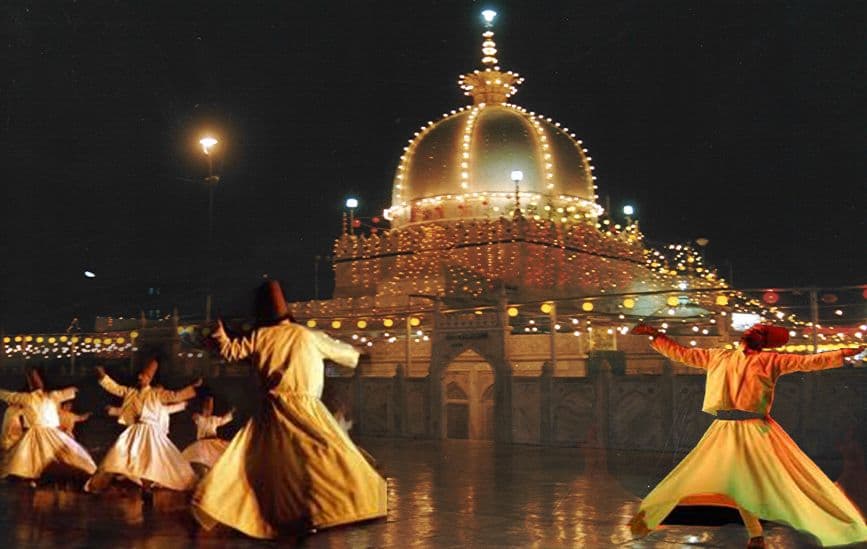
Ajmer Sharif Dargah

Rajasthan · October to March

The 13th-century dargah of Sufi saint Khwaja Moinuddin Chishti — 'Gharib Nawaz', Benefactor of the Poor. White marble at the foot of Taragarh hill. Muslims, Hindus, Sikhs and Christians queue shoulder to shoulder beneath the same rose-garlanded gate.

Read Ajmer Sharif Dargah travel guide →
Mahalakshmi Temple, Kolhapur, Maharashtra
19
4.8

Mahalakshmi Temple, Kolhapur

Maharashtra · October to March

Seventh peetha of the Ashtadasha, where Sati's three eyes are said to have fallen. Also one of Maharashtra's three-and-a-half (Sade Teen) Shakti Peethas. The 7th-century Chalukyan temple in central Kolhapur enshrines a 1.2-m black stone Devi heavy with gold. For three days each year during Kirnotsav, the setting sun threads straight through the entrance and lights the deity.

Read Mahalakshmi Temple, Kolhapur travel guide →
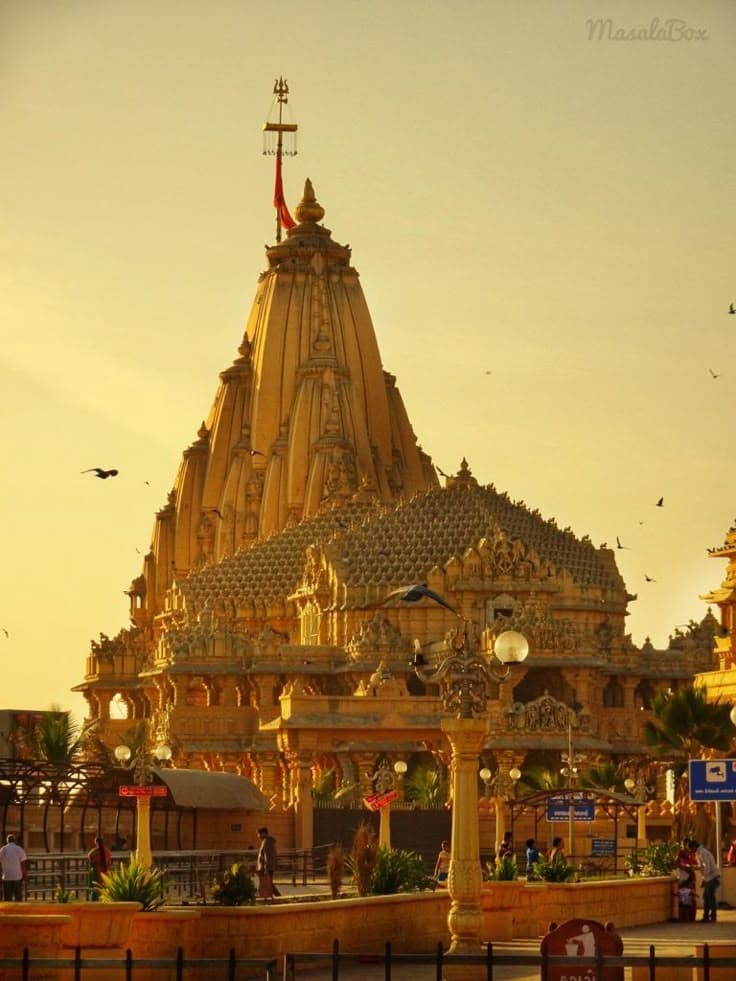
Somnath Temple, Gujarat
20
4.7

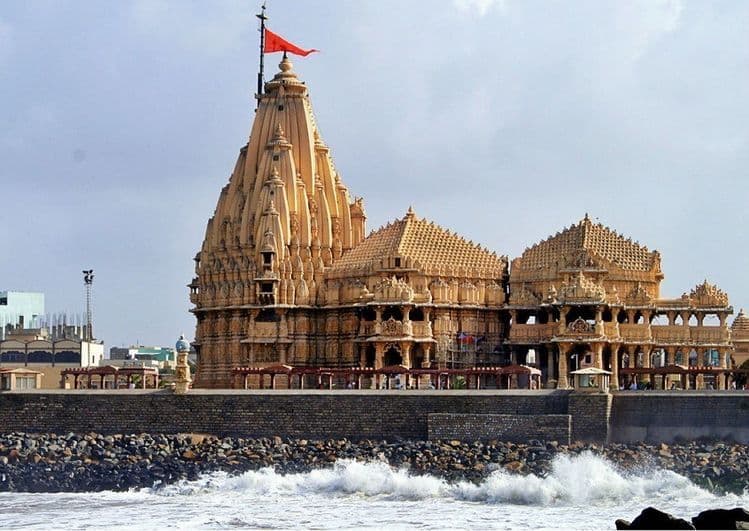
Somnath Temple

Gujarat · October to March

First of Shiva's twelve Jyotirlingas. An oceanfront temple dating to the 7th century, razed and rebuilt seven times across 1,000 years — Mahmud of Ghazni, Allauddin Khilji and Aurangzeb each had a turn. Sardar Patel reconsecrated it in 1951 as the symbolic rebirth of independent India.

Read Somnath Temple travel guide →
Omkareshwar, Madhya Pradesh
21
4.7

Omkareshwar

Madhya Pradesh · October to March

An island Jyotirlinga in the Narmada — seen from above, the landmass traces the syllable 'Om'. The shrine is twinned: Omkareshwar sits on Mandhata island, Mamleshwar on the south bank, both worshipped as the same Jyotirlinga.

Read Omkareshwar travel guide →
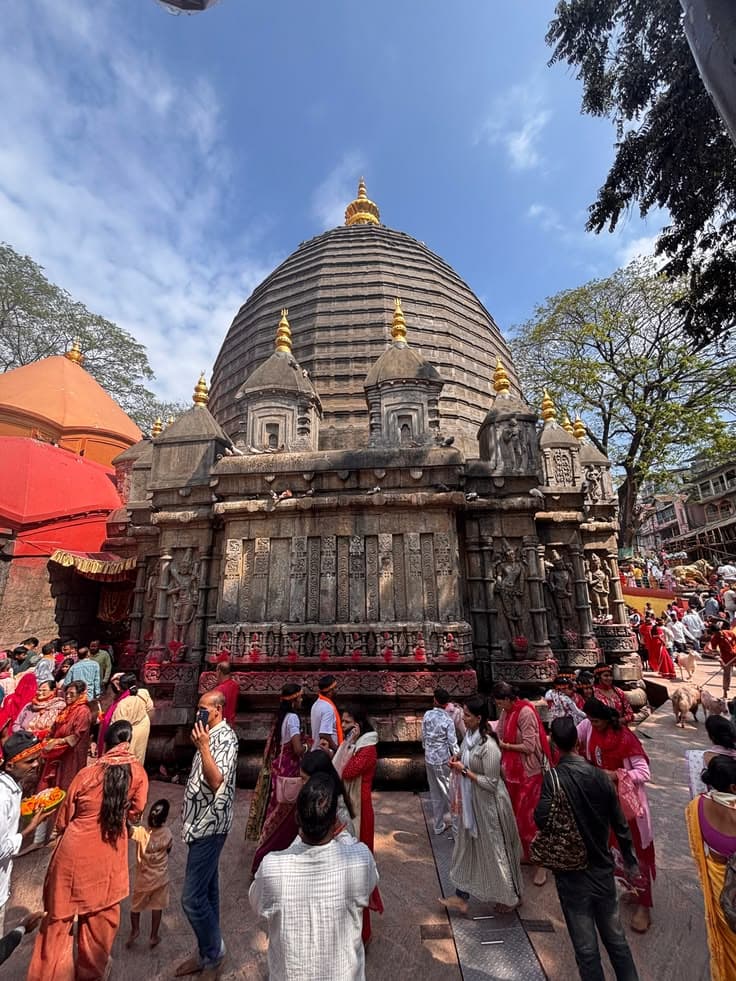
Kamakhya Temple, Guwahati, Assam
22
4.7

Kamakhya Temple, Guwahati

Assam · October to April

Sati's yoni fell here when Vishnu cut her corpse — that one tradition places Kamakhya at the head of the 51 Shakti Peethas. The 16th-century shrine sits on Nilachal Hill above the Brahmaputra. No other major Hindu temple celebrates the goddess's menstruation; here, the Ambubachi Mela does exactly that.

Read Kamakhya Temple, Guwahati travel guide →
Gangotri, Uttarakhand
23
4.7

Gangotri

Uttarakhand · May to June, September to October

Perched at 3,100 metres on the Bhagirathi, this shrine marks the Ganga's symbolic descent — the second dhām of the Chota Char Dham. The real glacial source, Gaumukh, sits a 19 km trek further up the Gangotri Glacier.

Read Gangotri travel guide →
Trimbakeshwar, Maharashtra
24
4.6

Trimbakeshwar

Maharashtra · October to March

Twenty-eight kilometres from Nashik, this Jyotirlinga marks the spot where the Godavari surfaces. Inside the sanctum sits a three-faced linga representing Brahma, Vishnu and Rudra. It's the only Jyotirlinga where Kalsarpa Dosh nivaran pujas are performed.

Read Trimbakeshwar travel guide →
Sarnath, Uttar Pradesh
25
4.7

Sarnath

Uttar Pradesh · October to March

Ten kilometres from Varanasi, this is where the Buddha gave his first sermon — the Dhammacakkappavattana Sutta, addressed to five ascetics. The UNESCO-tentative archaeological zone is anchored by the 5th-century CE Dhamek Stupa. Also here: the Ashokan Lion Capital that became India's national emblem.

Read Sarnath travel guide →
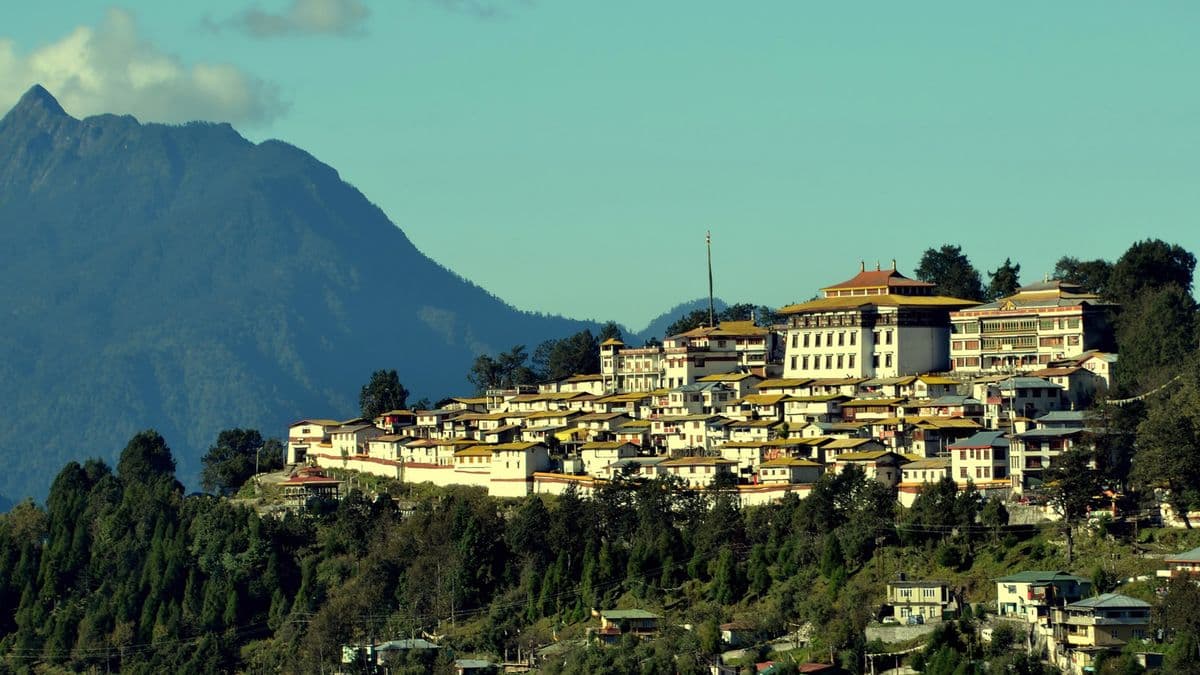
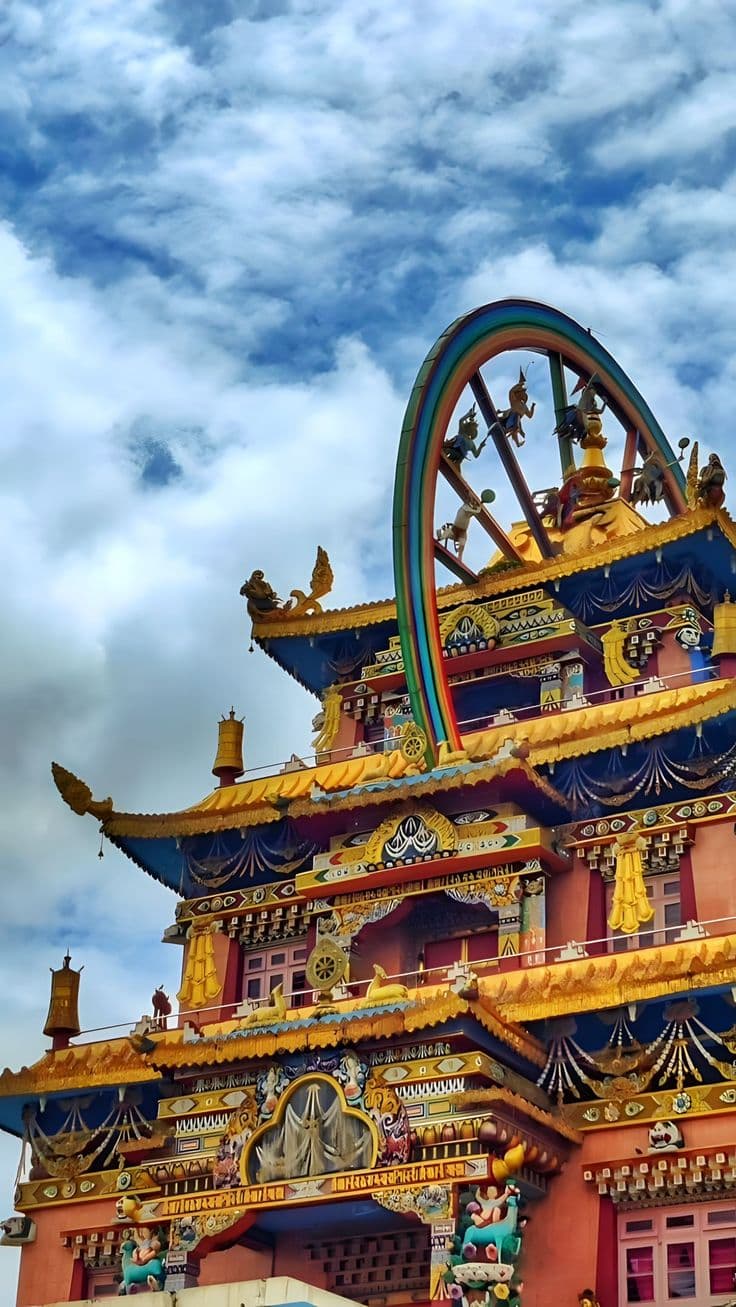
Tawang Monastery, Arunachal Pradesh
26
4.8

Tawang Monastery

Arunachal Pradesh · March to October

Galden Namgey Lhatse. Four centuries old, India's largest Buddhist monastery and the second-largest worldwide, sitting at 3,048 m near the Tibet border. Inside: 450 monks and an 18-foot gilded Buddha.

Read Tawang Monastery travel guide →
Yamunotri, Uttarakhand
27
4.6

Yamunotri

Uttarakhand · May to June, September to October

First dhām of the Chota Char Dham. The shrine sits at 3,293 metres on Bandarpoonch's shoulder, reached by a steep 6 km trail from Janki Chatti. At the top, the Surya Kund spring runs hot enough for pilgrims to cook their own rice offering for the goddess.

Read Yamunotri travel guide →
Bhimashankar, Maharashtra
28
4.6

Bhimashankar

Maharashtra · October to March

One of Shiva's Jyotirlingas sits at 1,034 metres in dense Sahyadri forest, 110 km from Pune. The surrounding sanctuary protects the giant Indian squirrel (shekru), Maharashtra's state animal, which glides through the canopy overhead.

Read Bhimashankar travel guide →
Kamakshi Amman Temple, Tamil Nadu
29
4.7

Kamakshi Amman Temple

Tamil Nadu · October to March

Sati's spine is said to have fallen at this spot — one of the eighteen Maha Shakti Peethas and South India's principal Sri Vidya centre. Kanchipuram, 75 km from Chennai. The 6th-century Pallava sanctum is best known for the Bilahasa pradakshina Adi Shankaracharya performed when installing the Sri Chakra before the idol.

Read Kamakshi Amman Temple travel guide →
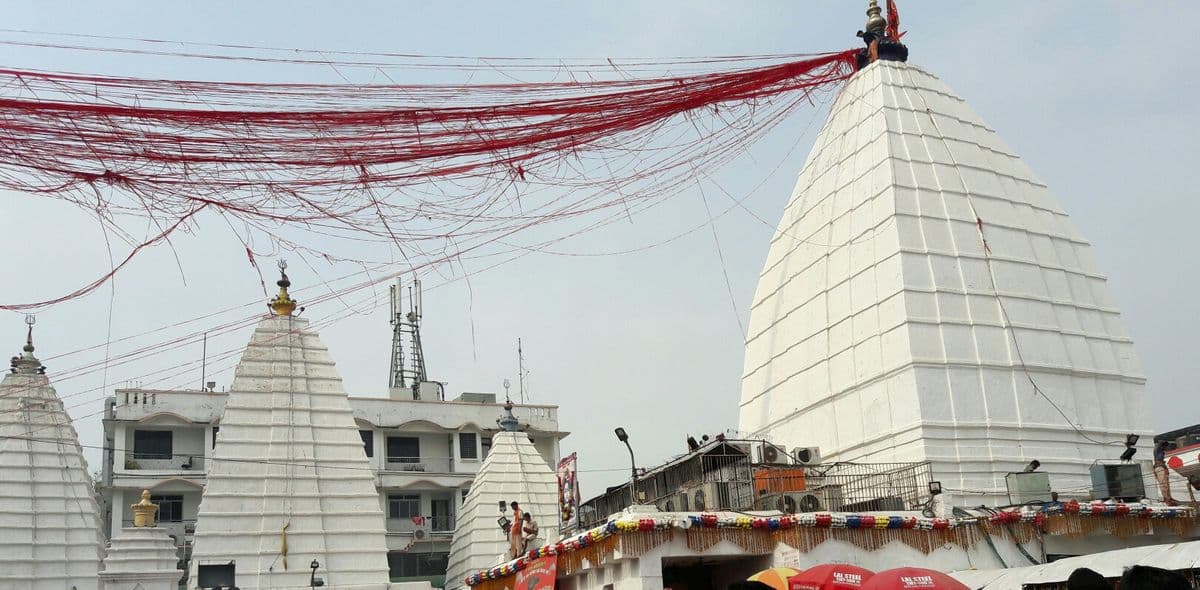
Baidyanath Dham, Deoghar, Jharkhand
30
4.7

Baidyanath Dham, Deoghar

Jharkhand · October to March

One of Shiva's 12 Jyotirlingas. Known as the 'Abode of the Physician', the shrine pulls roughly 8 million pilgrims during the Shravani Mela, ranked as the world's longest religious fair.

Read Baidyanath Dham, Deoghar travel guide →
Jwala Devi (Jwalamukhi), Himachal Pradesh
31
4.6

Jwala Devi (Jwalamukhi)

Himachal Pradesh · October to March, June

No idol. Just nine natural gas flames burning straight out of bare rock — and those flames are the goddess. Sati's tongue is said to have fallen at this Shakti Peetha in the Kangra valley, 56 km from Dharamshala.

Read Jwala Devi (Jwalamukhi) travel guide →
Kushinagar, Uttar Pradesh
32
4.6

Kushinagar

Uttar Pradesh · October to March

Beneath twin sal trees in 483 BCE, the Buddha entered Mahaparinirvana on this ground. The UNESCO-tentative archaeological complex turns on two anchors: the 6.1-metre reclining Buddha inside the Mahaparinirvana temple, and the Ramabhar Stupa raised over the cremation site.

Read Kushinagar travel guide →
Alopi Devi Temple (Madhaveshwari), Uttar Pradesh
33
4.5

Alopi Devi Temple (Madhaveshwari)

Uttar Pradesh · October to March

Fourteenth peetha of the Ashtadasha — the spot where Sati's wrist fingers fell, near the Triveni Sangam at Prayagraj. No idol stands inside. Devotees worship a wooden palanquin (doli) suspended on chains, honouring the legend of a goddess who vanished into thin air leaving only her doli behind.

Read Alopi Devi Temple (Madhaveshwari) travel guide →
Srisailam Mallikarjuna, Andhra Pradesh
34
4.6

Srisailam Mallikarjuna

Andhra Pradesh · October to March

One of only two temples in India counted among both the 12 Jyotirlingas of Shiva and the 18 Shakti Peethas of Devi. The shrine sits above the Krishna river gorge, deep inside the Nallamala forest tiger reserve.
Read Srisailam Mallikarjuna travel guide →
Tarapith, West Bengal
35
4.5

Tarapith

West Bengal · October to March

A Shakti Peetha 250 km north of Kolkata, marking the spot where Sati's third eye is said to have fallen. The 19th-century saint Bamakhepa lived, performed sadhana, and lies buried here — and the tantric tradition has never been broken.

Read Tarapith travel guide →
Renuka Mata Temple, Mahur, Maharashtra
36
4.6

Renuka Mata Temple, Mahur

Maharashtra · October to March

Mahur, in the Sahyadri foothills of north Maharashtra, holds the eighth peetha of the Ashtadasha — said to be where Sati's right hand fell. The hilltop shrine also counts among Maharashtra's three-and-a-half Shakti Peethas. The goddess here is identified with Renuka, mother of Parashurama; the wider hill-complex is the legendary site of his austerities.

Read Renuka Mata Temple, Mahur travel guide →
Biraja Devi Temple, Jajpur, Odisha
37
4.6

Biraja Devi Temple, Jajpur

Odisha · October to March

Sati's navel fell here. That makes Biraja the eleventh peetha of the Ashtadasha and one of four Adi Shakti Peethas alongside Kamakhya, Kalighat and Tara Tarini. The 13th-century temple stands on the Vaitarani river at Jajpur, 90 km north-east of Bhubaneswar. Jajpur also counts as one of India's three primary kshetras for ancestral shraddha rites.

Read Biraja Devi Temple, Jajpur travel guide →
Mangalagauri Temple, Gaya, Bihar
38
4.5

Mangalagauri Temple, Gaya

Bihar · October to March

Sixteenth peetha of the Ashtadasha, atop Mangalagauri Hill in Gaya — the spot where Sati's breast is said to have fallen. The shrine pairs naturally with Gaya's better-known role as India's premier ancestral-rite kshetra. Most pilgrims fold the goddess's darshan into a longer round that includes pinda-daan at the Vishnupada temple and the Phalgu river.

Read Mangalagauri Temple, Gaya travel guide →
Kurukshetra Brahma Sarovar, Haryana
39
4.5

Kurukshetra Brahma Sarovar

Haryana · October to March

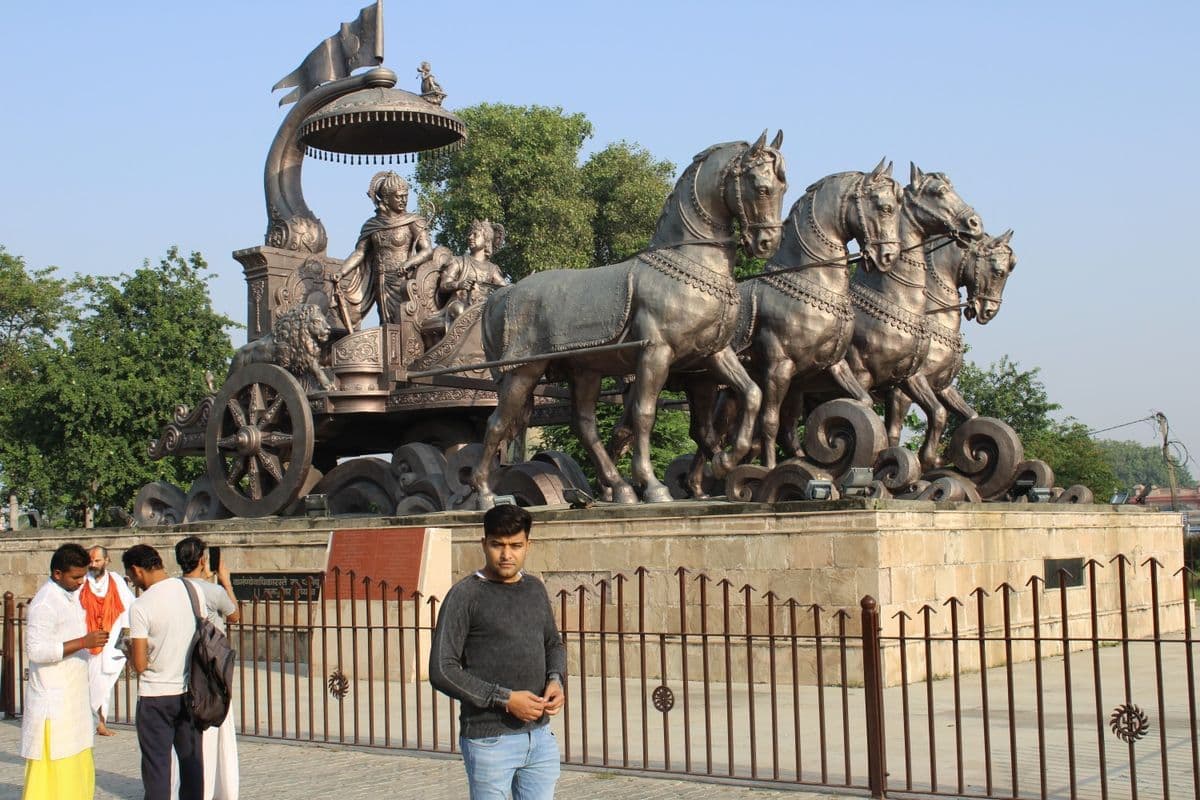
The Mahabharata's battlefield, and the birthplace of the Bhagavad Gita. On this plain, roughly 5,000 years ago, Lord Krishna delivered the Gita's 700 verses to Arjuna.

Read Kurukshetra Brahma Sarovar travel guide →
Sravasti, Uttar Pradesh
40
4.5

Sravasti

Uttar Pradesh · October to March

Capital of the ancient Kosala kingdom. The Buddha spent 24 of his 45 monsoon retreats here, more than at any other place. You will find the site of the Twin Miracle and the Anathapindika-built Jetavana monastery, where foundation stones still outline the Gandhakuti that served as the Buddha's residence.

Read Sravasti travel guide →
Rajgir, Bihar
41
4.5

Rajgir

Bihar · October to March

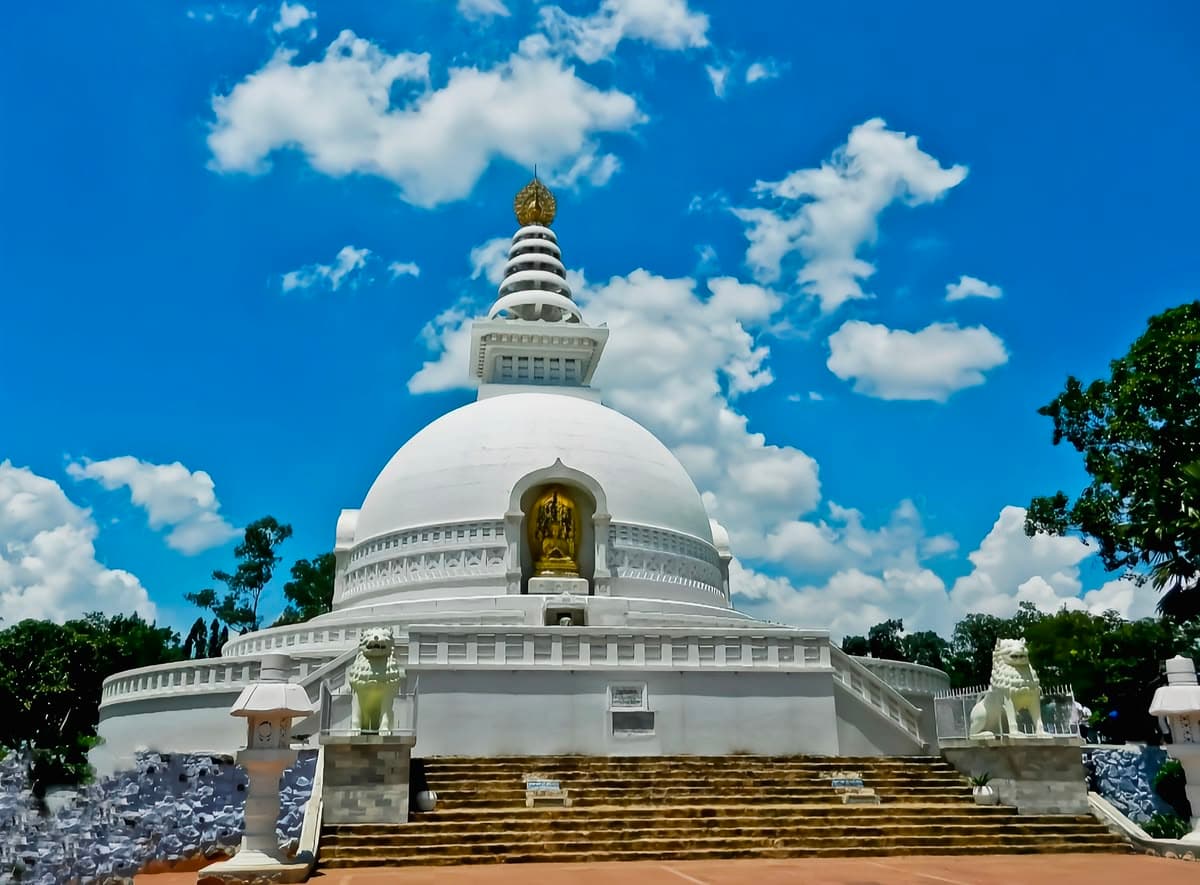
Five hills ring this ancient Magadhan capital. The Buddha preached the Lotus Sutra here; Mahavira spent 14 monsoons in the valley — sacred ground for Buddhists, Jains and Hindus alike. Hot springs bubble below. A Japanese-built peace pagoda crowns the highest hill.

Read Rajgir travel guide →
Lepakshi Veerabhadra Temple, Andhra Pradesh
42
4.6

Lepakshi Veerabhadra Temple

Andhra Pradesh · October to February

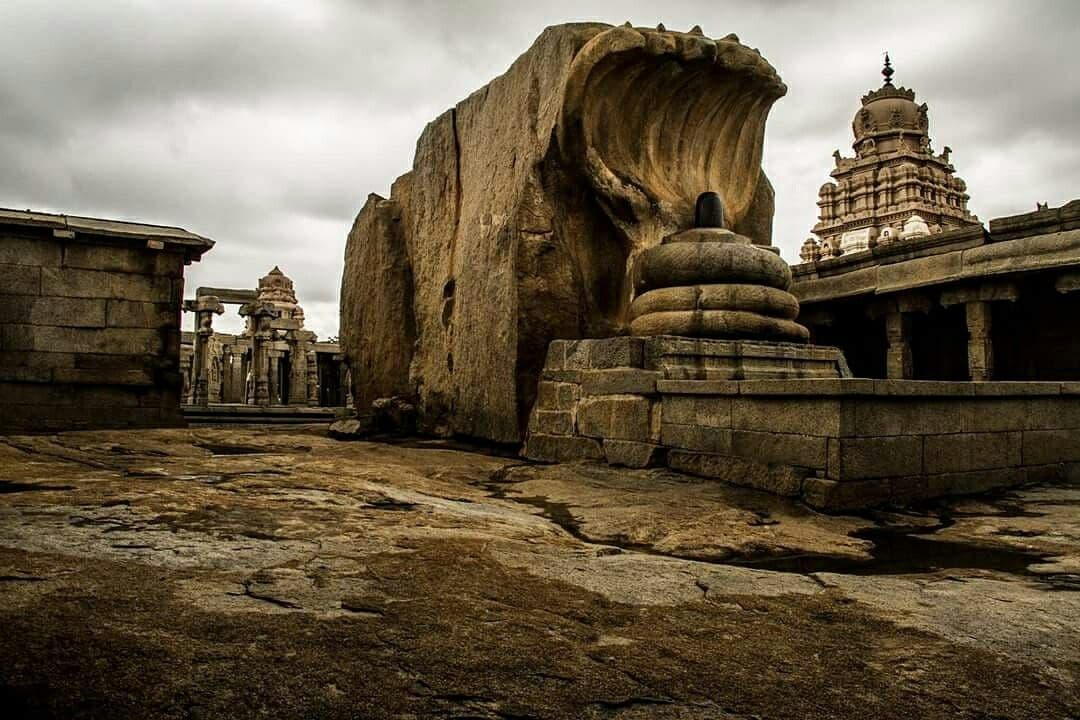
A 16th-century Vijayanagara-era temple. The hanging pillar that does not touch the ground gets the attention, but the real prize is overhead — the finest surviving Vijayanagara mural work on the ceiling. Outside sits India's largest monolithic Nandi.

Read Lepakshi Veerabhadra Temple travel guide →
Jogulamba Devi Temple, Alampur, Telangana
43
4.5

Jogulamba Devi Temple, Alampur

Telangana · October to March

The fifth peetha of the Ashtadasha — where Sati's upper teeth are said to have fallen. Alampur sits on the Tungabhadra, 200 km south of Hyderabad. Bahmani invaders razed the shrine in 1390. Reconsecration came in 2005, inside the Navabrahma complex of nine 7th-century Chalukyan Shiva temples.

Read Jogulamba Devi Temple, Alampur travel guide →
Manikyamba Devi Temple, Draksharamam, Andhra Pradesh
44
4.5

Manikyamba Devi Temple, Draksharamam

Andhra Pradesh · November to February

Twelfth peetha of the Ashtadasha, at Draksharamam in East Godavari district — the place where Sati's left cheek is said to have fallen. The shrine shares its complex with the Bhimeswara Swamy temple, one of Andhra Pradesh's five Pancharama Kshetras. The 9th-century Eastern Chalukyan structure is among coastal Andhra's oldest.

Read Manikyamba Devi Temple, Draksharamam travel guide →
Puruhutika Devi Temple, Pithapuram, Andhra Pradesh
45
4.5

Puruhutika Devi Temple, Pithapuram

Andhra Pradesh · November to February

Sati's left hand fell at Pithapuram in East Godavari district — the tenth peetha of the Ashtadasha. The shrine sits beside the Kukkuteswara Swamy Shiva temple. Both share the Pada Gaya Sarovar, the tank where pinda offerings are made for ancestors.

Read Puruhutika Devi Temple, Pithapuram travel guide →
Shankari Devi (Trincomalee), Sri Lanka
46
4.4

Shankari Devi (Trincomalee)

Sri Lanka · April to September

First of the Ashtadasha peethas. Sati's groin or thigh is said to have fallen atop Swami Rock, a cliff on Sri Lanka's eastern coast at Trincomalee. Portuguese cannon levelled the original temple in 1622. What survives — foundations and a small modern shrine — sits on the cliff edge within the rebuilt Koneswaram Shiva complex.

Read Shankari Devi (Trincomalee) travel guide →
Sharda Peeth (Saraswati), Pakistan-occupied Kashmir
47
4.5

Sharda Peeth (Saraswati)

Pakistan-occupied Kashmir · May to September (theoretical — currently inaccessible to Indian pilgrims)

Eighteenth and final peetha of the Ashtadasha. Sati's right hand is said to have fallen at Sharda village in the Neelum Valley of Pakistan-occupied Kashmir — once a learning centre on par with Nalanda. Indian pilgrims have not been able to reach it since the 1947 partition. Most yatris close the circuit symbolically at Sringeri Sharadamba in Karnataka.

Read Sharda Peeth (Saraswati) travel guide →
Shrinkhala Devi (Pandua), West Bengal
48
4.2

Shrinkhala Devi (Pandua)

West Bengal · November to February

Third peetha in the Ashtadasa Shakti Peetha Stotram. Sati's stomach is said to have fallen at Pandua in Hooghly district, 50 km from Kolkata. The original temple is largely a ruin today. Local Devi tradition has shifted to the Hangseshwari temple nearby, and partly to the Bandel basilica that grew over a section of the medieval site.

Read Shrinkhala Devi (Pandua) travel guide →

State by state

Pilgrimage by Indian State

Share

Ready to explore?

Plan your pilgrimage yatra

Every destination on this page links to a full travel guide with timings, tips, stays and transport — plus an AI companion to answer any question on the road.